Disputing Credit Card Charges Effectively
Master the step-by-step process to challenge unauthorized, erroneous, or unsatisfactory credit card charges and protect your financial rights under federal law.
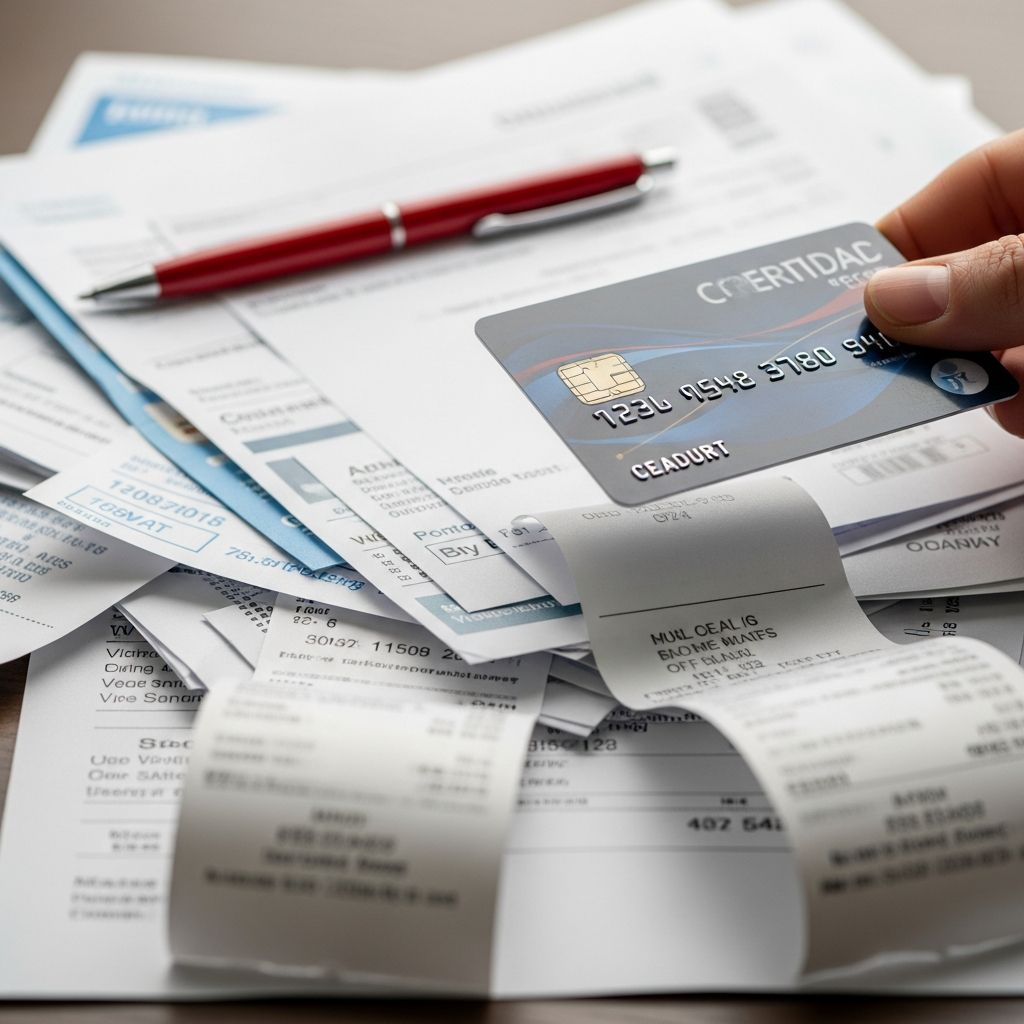
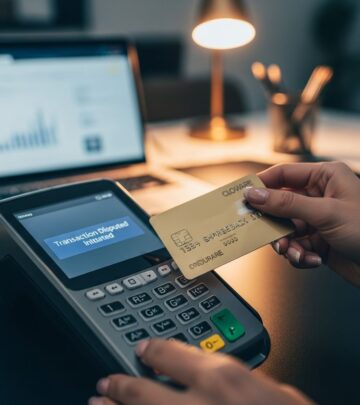
Challenging an incorrect or unauthorized charge on your credit card statement is a protected consumer right under U.S. federal law. The process, known as a billing dispute or chargeback, allows you to contest errors without immediate payment obligation while the issuer investigates.
Understanding Your Legal Protections
The cornerstone of credit card dispute rights is the Fair Credit Billing Act (FCBA), enacted to shield consumers from unfair billing practices. This law mandates that card issuers resolve disputes within specific timelines and prohibits collection on disputed amounts during investigation.
Key protections include:
- You can withhold payment on the disputed amount and related fees until resolution.
- Issuers must acknowledge your dispute in writing within 30 days and complete investigation within 90 days.
- Disputes must be filed within 60 days from the statement date showing the charge.
Even if you’ve paid the charge, you retain dispute rights, though refunds depend on the outcome. These rules apply to “open-end” credit like credit cards, not debit cards or closed-end loans.
Common Reasons to Initiate a Dispute
Not every unwanted charge qualifies for a dispute. Federal law covers specific scenarios, helping you determine if your situation warrants action.
| Reason Code | Description | Examples |
|---|---|---|
| Billing Error | Wrong amount, duplicate charge, or math mistake | Charged $150 instead of $100; item listed twice |
| Unauthorized Transaction | Charge without your permission | Card stolen and used; unrecognized merchant | Non-Delivery | Goods or services not received | Paid for item never shipped; canceled service billed |
| Not as Described | Item differs from description | Defective product; wrong size/color |
| Quality Issues | Unsatisfactory goods/services | Broken merchandise; poor service not matching agreement |
Before disputing, attempt resolution with the merchant, as issuers often require proof of prior contact. Document all interactions, including dates, names, and responses.
Step-by-Step Guide to Filing a Dispute
Follow these structured steps to maximize success rates and ensure FCBA compliance.
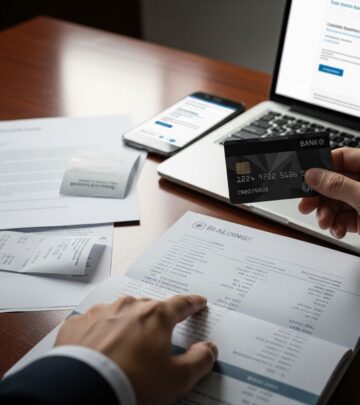
- Gather Documentation: Collect statements, receipts, emails, photos of items, and merchant communications. Organize chronologically for easy submission.
- Review Time Limits: Act within 60 days of the statement date for credit cards; some issuers extend to 90-120 days for fraud.
- Contact the Merchant First: Call or email the seller to resolve. Note details if unresolved—this strengthens your issuer case.
- Submit to Issuer: Use phone, app, online portal, or mail. Digital methods are fastest, but follow with certified mail for legal protection.
- Track Progress: Record submission date, method, and representative details. Expect acknowledgment within 30 days.
Many issuers like Chase and Capital One offer online dispute tools: log in, select the transaction, and upload evidence. Phone numbers are on card backs or statements.
Navigating the Chargeback Investigation Process
Once filed, your dispute triggers a multi-party review involving your issuer, card network (Visa, Mastercard), and merchant’s bank.
Timeline Overview:
- Days 1-30: Issuer sends confirmation and may issue provisional credit.
- Days 30-90: Full investigation; network assigns reason code and notifies merchant.
- Merchant Response: Seller has 10-35 days to submit evidence like delivery proofs or signed receipts.
If the issuer rules in your favor, the charge is permanently removed. Unfavorable decisions include written explanations and appeal options. Card networks handle escalations, potentially leading to arbitration with fees for merchants.
Gathering and Submitting Compelling Evidence
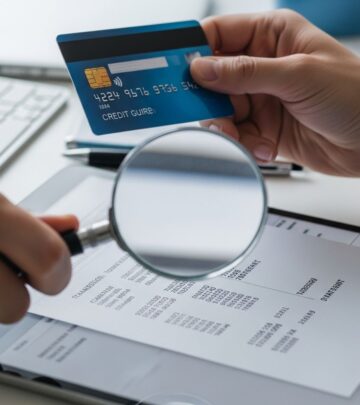
Strong documentation tips the scales. Issuers and networks prioritize verifiable proof over claims.
- For Fraud: Police report, affidavits denying authorization.
- Non-Delivery: Tracking numbers showing no receipt, return labels.
- Quality Disputes: Photos of defects, return policies, comparison to advertised specs.
- Billing Errors: Original receipts vs. statement, merchant admission emails.
Submit digitally via portals or mail to the billing address. Use FTC sample letters for clarity. Provisional credits often appear quickly, but holds may limit available credit.
Potential Outcomes and Next Steps
Resolutions vary:
- Fully in Your Favor: Charge reversed; any fees refunded.
- Partial Credit: Adjusted amount based on evidence.
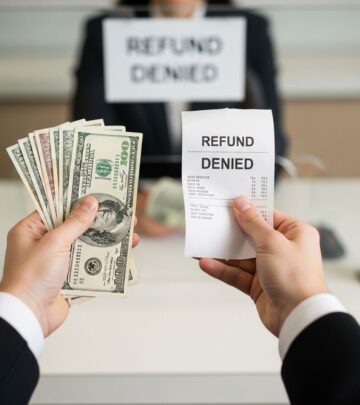
- Denied: Receive explanation; appeal with new info or escalate to CFPB.
If unsatisfied, contact the Consumer Financial Protection Bureau (CFPB) or your state attorney general. Multiple disputes on one account may flag for review, but legitimate claims are protected.
Frequently Asked Questions (FAQs)
Can I dispute a charge after paying it?
Yes, but recovery depends on investigation outcome. Provisional credits apply post-payment in some cases.
What if 60 days have passed?
Some issuers accept late fraud claims up to 120 days; contact them immediately.
Does disputing affect my credit score?
No direct impact, as disputes don’t appear on reports. Unpaid balances during investigation won’t hurt if withheld per FCBA.
How long until I get money back?
Provisional credits within days; final within 90 days.
Can merchants fight back?
Yes, via representment with evidence. Networks decide.
Preventing Future Disputes
Proactive habits reduce issues:
- Monitor statements weekly via apps.
- Set transaction alerts for large/unusual charges.
- Retain receipts 18 months.
- Use virtual card numbers for online buys.
- Report lost/stolen cards instantly.
Understanding networks like Visa’s rules enhances preparation. Merchants must comply with data privacy in responses.
Special Considerations for Fraud and Debit Cards
Fraud disputes follow similar paths but prioritize security. For debit cards, protections are under Regulation E, with 60-day limits from posting. Zero-liability policies from networks cover unauthorized use if reported promptly.
International charges may involve additional scrutiny; provide transaction details like IP logs if available.
References
- How to Dispute a Credit Card Charge — Experian. 2023-10-15. https://www.experian.com/blogs/ask-experian/how-to-dispute-credit-card-charge/
- How do I dispute a charge on my credit card bill? — Consumer Financial Protection Bureau (CFPB). 2024-05-20. https://www.consumerfinance.gov/ask-cfpb/how-do-i-dispute-a-charge-on-my-credit-card-bill-en-61/
- A Step-by-Step Guide for Understanding the Credit Card Chargeback Process — Ethoca. 2023-11-08. https://www.ethoca.com/blog/a-step-by-step-guide-for-understanding-the-credit-card-chargeback-process
- Disputing a Charge — Chase. 2025-01-12. https://www.chase.com/personal/credit-cards/dispute
- Credit card dispute process — Capital One. 2024-09-05. https://www.capitalone.com/help-center/fraud-disputes/dispute-credit-charge/
- How can merchants dispute credit card chargebacks? — Mastercard. 2024-06-18. https://www.mastercard.com/global/en/news-and-trends/Insights/2024/how-can-merchants-dispute-credit-card-chargebacks.html
Similar Articles








Read full bio of Sneha Tete