Discretionary Spending: Smart Ways To Cut Costs
Master the art of managing non-essential expenses to boost your financial health and achieve lasting stability.
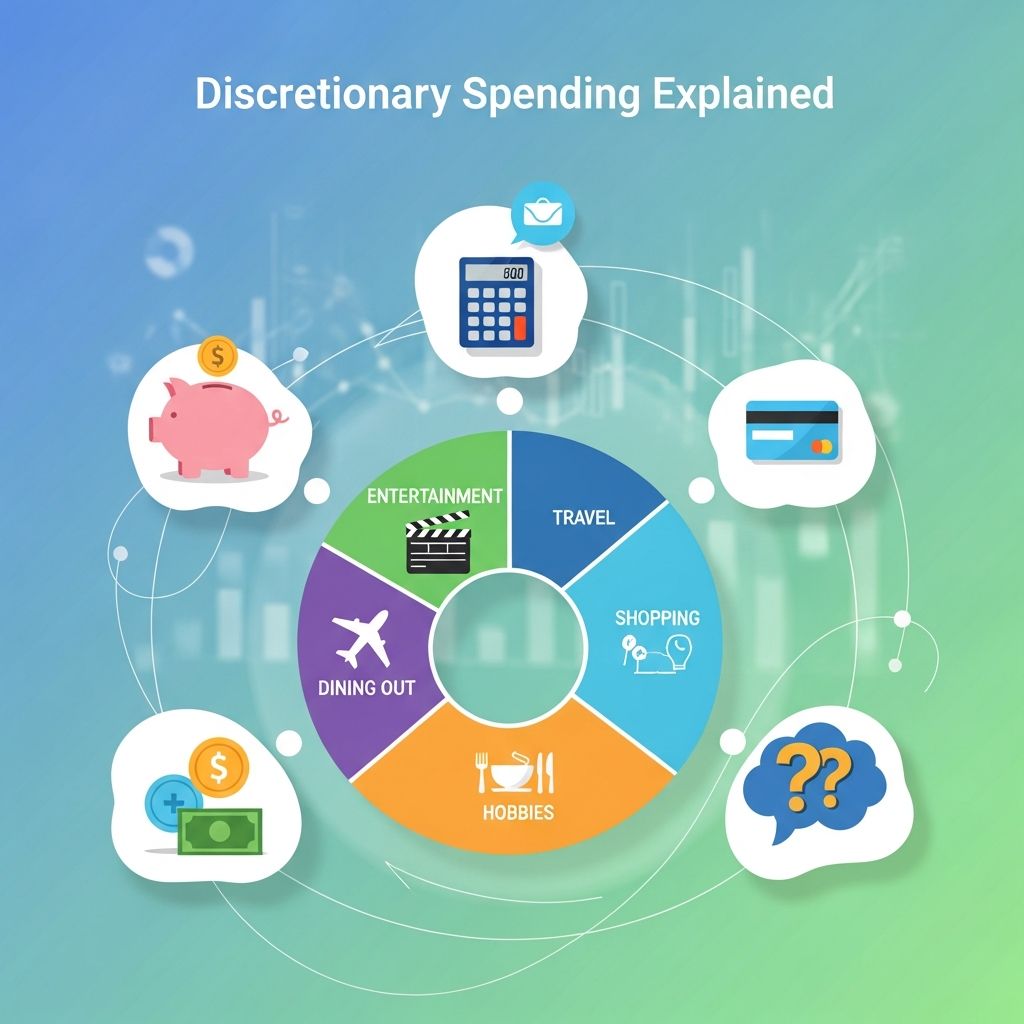
Discretionary spending encompasses all those optional purchases that enhance life but aren’t vital for survival or core operations. These are the expenses you can adjust or eliminate when tightening your budget, whether managing household finances or steering a company through tough times.
Defining Discretionary vs. Essential Outlays
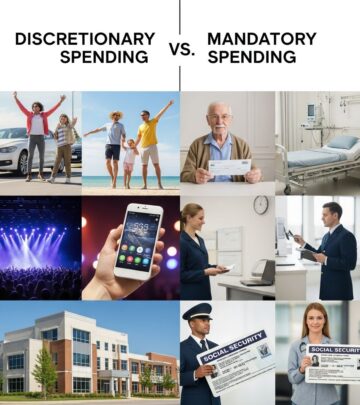
At its core, discretionary spending contrasts sharply with essential or mandatory costs. Essential expenses keep the lights on and the wheels turning—think rent, groceries, utilities, salaries, and insurance premiums. These are non-negotiable; skipping them leads to immediate consequences like eviction or service cutoffs.
Discretionary outlays, however, add comfort, enjoyment, or strategic value without threatening basic functions. They include things like streaming subscriptions, weekend getaways, or corporate team-building retreats. The flexibility here is key: during economic squeezes, you can pause a gym membership or skip a conference without halting operations.
| Category | Mandatory Examples | Discretionary Examples |
|---|---|---|
| Personal | Mortgage, groceries, utilities | Dining out, movies, hobbies |
| Business | Salaries, rent, core software | Marketing events, office perks |
| Government | Social Security, Medicare | Defense programs, education grants |
This table highlights the divide, showing how discretionary items often tie to growth or pleasure rather than necessity.
Everyday Examples in Personal Life
In daily personal budgets, discretionary spending pops up in leisure and luxury choices. Eating at restaurants instead of cooking at home qualifies because home meals cover nutrition needs cheaper. Entertainment like concert tickets, premium cable packages, or video games falls here too—they’re fun but skippable.
- Travel and Vacations: Leisure trips to beaches or cities, unlike commuting fuel.
- Hobbies and Fitness: Gym fees, sports gear, or craft supplies beyond basics.
- Gifts and Donations: Holiday presents or charity contributions, valuable but voluntary.
- Gadgets and Apparel: Latest smartphones or designer clothes, not replacements for broken essentials.
These choices vary by lifestyle; what one person sees as essential (like a daily coffee run) might be discretionary for another practicing frugality.
Discretionary Costs in Business Environments
For companies, these expenses fuel innovation and morale without sustaining day-to-day survival. Marketing pushes, employee wellness initiatives, or upgraded office aesthetics exemplify this. They’re investments in branding or retention, scalable during downturns.
- Professional Growth: Conferences, workshops, or online courses not required for jobs.
- Client Relations: Lavish dinners or event sponsorships.
- Workspace Enhancements: Decor, ergonomic furniture, or recreational areas.
- Tech Add-Ons: Premium apps or tools beyond operational must-haves.
Such spending can drive long-term success, like better talent attraction via perks, but demands scrutiny to avoid waste.
Government Budgets and Discretionary Allocations
In federal contexts, discretionary spending covers annually approved funds for defense, infrastructure, education, and research—about a quarter of total outlays recently. Unlike autopilot mandatory programs (Social Security, Medicare), these require yearly congressional votes, allowing adjustments based on priorities like crises or wars.
For 2022, it included salaries for federal workers (45%), state grants (15%), and private sector procurements. Projections assume inflation-tied growth, shrinking as a GDP share over time.
Why Monitoring Discretionary Spending Matters
Unchecked, these costs erode savings or profits, leaving little buffer for emergencies. Tracking reveals patterns—like excessive dining out—and enables cuts yielding big savings. It promotes discipline, aligning money with goals like debt payoff or investments.
Businesses gain agility; governments ensure fiscal responsibility. Overall, it builds resilience against inflation or recessions.
Practical Strategies to Control and Optimize
Effective management starts with awareness. Review statements monthly, categorizing spends to spot leaks. Set budgets capping discretionary at 20-30% of income, adjusting as needed.
Prioritization Techniques
Rank items by value: Does this purchase advance goals? High-impact ones (skill-building courses) stay; low ones (impulse buys) go.
Audit and Cut Tactics
- Cancel unused subscriptions via tools tracking usage.
- Opt for free alternatives, like library events over paid outings.
- Batch purchases to curb frequency, e.g., weekly grocery hauls including treats.
Tech and Accountability Tools
Apps with real-time categorization and alerts help. Businesses use corporate cards with controls distinguishing spend types. Delegate oversight to teams for ownership.
Budgeting Frameworks
Adopt zero-based budgeting: justify every dollar. Or the 50/30/20 rule—50% needs, 30% wants, 20% savings—naturally limits discretionary.
| Strategy | Personal Application | Business Application | Potential Savings |
|---|---|---|---|
| Subscription Audit | Drop unused streaming | End redundant software | 10-20% monthly |
| Event Alternatives | Virtual concerts | Webinars vs. travel | 30-50% on outings |
| Goal Alignment | Cut non-goal hobbies | Link to revenue KPIs | Variable, high ROI |
Balancing Enjoyment with Fiscal Prudence
Eliminating all discretionary isn’t sustainable; it risks burnout. Allocate meaningfully—perhaps a monthly ‘fun fund’—to maintain motivation. Businesses should tie perks to performance for value.
Review quarterly: Celebrate wins, like hitting savings targets, with controlled rewards. This fosters healthy habits long-term.
Frequently Asked Questions
What counts as discretionary spending?
Any non-vital expense, like entertainment or luxury goods, that can be reduced without harm.
How much should I allocate to discretionary?
Aim for 20-30% of after-tax income, depending on goals and income stability.
Is dining out always discretionary?
Usually yes, as home cooking suffices, but context matters for necessities.
Can businesses eliminate all discretionary costs?
Not advisable; strategic ones boost morale and growth.
How does government discretionary differ?
It’s annually appropriated, unlike fixed entitlements.
Advanced Tips for Long-Term Mastery
Integrate behavioral nudges: Delay buys 48 hours to test need. Gamify tracking with apps rewarding streaks. For firms, tie approvals to ROI projections.
Inflation erodes purchasing power, so annual benchmark reviews keep paces. Teach family or teams via workshops for collective buy-in.
In volatile economies, buffers from trimmed discretionary prove lifesavers, funding opportunities like market dips for investments.
References
- Understanding Discretionary Spending with Examples — Alaan. 2023. https://www.alaan.com/blog/what-are-examples-of-discretionary-spending-explained
- Discretionary vs. Mandatory Spending — Equifax. 2023. https://www.equifax.com/personal/education/personal-finance/articles/-/learn/discretionary-vs-mandatory-spending/
- What is mandatory and discretionary spending? — Tax Policy Center. 2023-10-05. https://taxpolicycenter.org/briefing-book/what-mandatory-and-discretionary-spending
- Understanding Discretionary Spending in the Federal Budget — Brookings Institution. 2023-02-14. https://www.brookings.edu/articles/what-is-discretionary-spending-in-the-federal-budget/
- What Are Discretionary Expenses? A Complete Guide — SoFi. 2023. https://www.sofi.com/learn/content/what-is-discretionary-expense/
- What is Discretionary Spending and How to Manage it — Mesh Payments. 2023. https://meshpayments.com/blog/discretionary-spending/
Similar Articles








Read full bio of Sneha Tete