Discretionary Expenses: Definition, Examples & Management
Master discretionary spending: Learn to identify, budget, and control non-essential business expenses effectively.
What Are Discretionary Expenses?
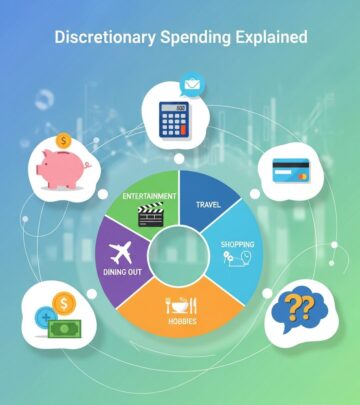
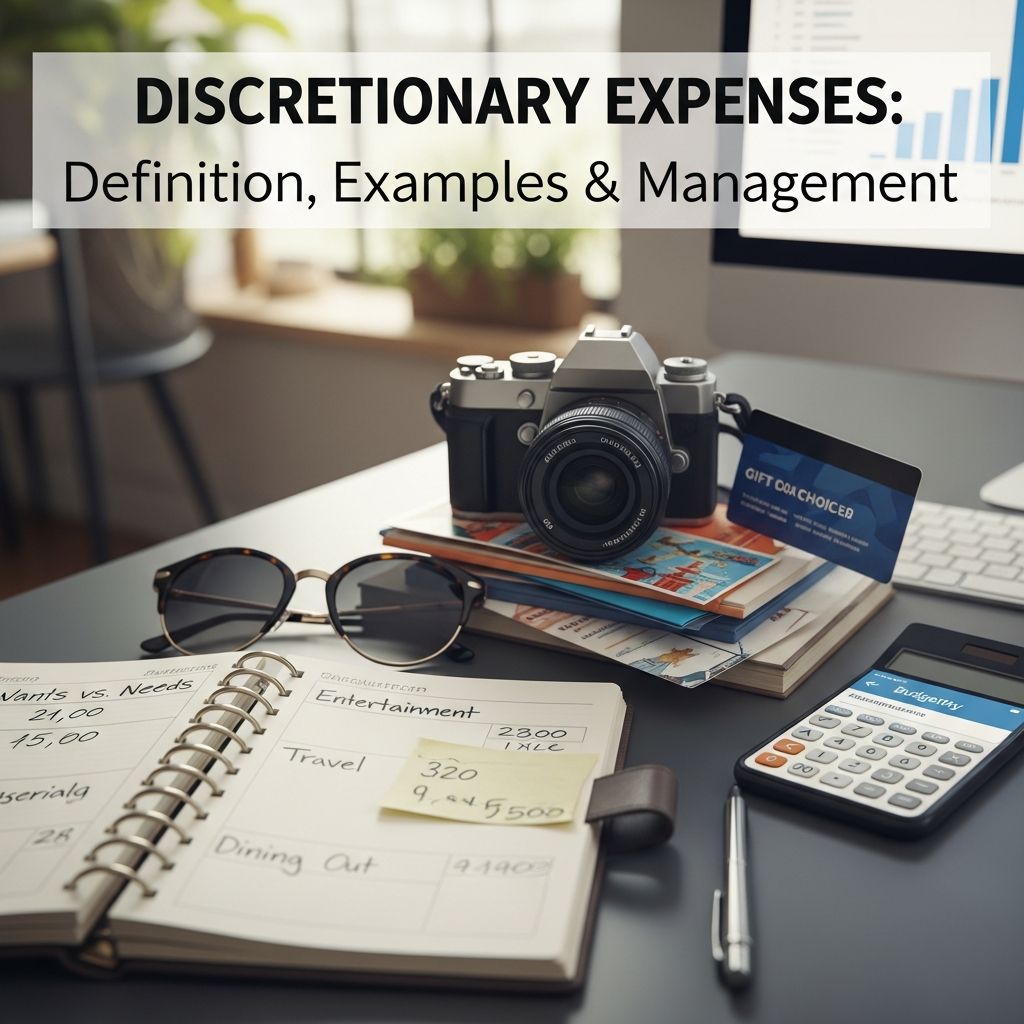
Discretionary expenses are non-essential costs that individuals, households, or businesses can choose to incur or defer without directly impacting their fundamental survival or core operations. Unlike mandatory expenses such as rent, utilities, or payroll, discretionary expenses represent flexible spending that can be adjusted based on financial circumstances, priorities, or strategic goals. These expenses are often referred to as “wants” rather than “needs” in personal finance terminology, and they form an important component of any comprehensive budgeting strategy.
The defining characteristic of discretionary expenses is their flexibility. A business or individual can typically postpone, reduce, or eliminate discretionary spending without causing immediate operational disruption or financial crisis. This flexibility makes discretionary expenses a key lever for financial management during economic downturns, budget constraints, or when prioritizing savings and investments.
Key Characteristics of Discretionary Expenses
Understanding the defining features of discretionary expenses helps in identifying and managing them effectively:
- Not required for the business or individual to function
- Flexible in timing and amount of expenditure
- Based on value judgments or organizational preferences
- Easier to cut or defer when necessary
- Often irregular or seasonal in nature
- Subject to voluntary decision-making
- Can vary between organizations or individuals based on circumstances
Discretionary vs. Non-Discretionary Expenses
The distinction between discretionary and non-discretionary expenses is crucial for effective budgeting and financial planning. While discretionary expenses are optional and adjustable, non-discretionary expenses are mandatory and essential to operations.
| Expense Type | Description | Key Examples | Characteristics |
|---|---|---|---|
| Discretionary | Non-essential, flexible costs you can delay or eliminate | Marketing campaigns, employee bonuses, office upgrades, team outings, travel | Optional, adjustable, based on priorities, easier to cut |
| Non-Discretionary | Essential, recurring costs required for operations | Payroll, rent, insurance, utilities, taxes, debt payments | Mandatory, fixed or variable but necessary, legally required or operationally critical |
The primary distinction lies in control and necessity. For example, interest rates on business loans are typically non-discretionary because they are set by financial institutions. Conversely, the budget allocated for an optional research initiative or marketing experiment is discretionary because the business controls this spending decision entirely.
Context-Dependent Classification
It’s important to recognize that the same expense can be discretionary for one organization and essential for another. Consider two different businesses: a brick-and-mortar retail store and a remote-first software company. For the retail store, physical office rent is a non-discretionary essential expense. For the remote-first company, however, office space becomes a discretionary expense since their teams work from home. This context-dependent nature requires careful analysis of how critical each cost is to short-term and long-term survival.
Common Examples of Discretionary Expenses
Business Discretionary Spending
Businesses encounter numerous discretionary expenses as they seek to enhance operations, employee satisfaction, and market positioning:
- Team Events and Employee Recognition: Holiday parties, team offsites, social gatherings, employee gifts, recognition programs, and celebration events
- Office Amenities and Perks: Premium snacks, catered lunches, high-end coffee services, game rooms, wellness programs, and recreational facilities
- Professional Development and Conferences: Attendance at industry trade shows, networking events, speaking engagements, workshops, and related travel expenses
- Premium Software and Technology: Enterprise software upgrades, advanced AI features, additional software licenses, and technology enhancements
- Marketing and Advertising: Brand awareness campaigns, experimental marketing initiatives, creative projects, and promotional activities
- Client Entertainment: Client dinners, business entertainment, hospitality expenses, and relationship-building activities
- Office Renovations and Upgrades: Interior design improvements, furniture upgrades, decorative enhancements, and aesthetic improvements
Personal Discretionary Spending
Individuals also regularly encounter discretionary expenses in their personal finances:
- Dining out and restaurant meals
- Entertainment and recreation (movies, concerts, hobbies)
- Vacation and travel expenses
- Shopping for non-essential items
- Subscription services (streaming, fitness, premium content)
- Luxury goods and high-end purchases
- Personal grooming and beauty services
- Hobby-related expenses
Discretionary Expenses vs. Fixed Expenses
While discretionary expenses share some similarities with fixed expenses, they represent fundamentally different categories in financial planning:
Fixed Expenses
Fixed expenses are costs that remain constant regardless of business output or production volume. Rent and insurance are classic examples—a business pays the same amount whether it produces one unit or one million units. Fixed expenses are almost always essential to business operations and cannot be easily adjusted based on business performance or financial conditions.
Key Differences
Variability: Fixed expenses remain constant over a period, while discretionary expenses can vary significantly based on choices and priorities. Necessity: Fixed expenses are almost always essential to business continuity, while discretionary expenses are not required for core operations. Controllability: While both can be managed, discretionary expenses offer more flexibility in timing and amount, whereas fixed expenses typically cannot be reduced without major operational changes.
Understanding Discretionary Income
Discretionary income is the money remaining after an individual or business has paid all necessary and mandatory expenses. This is the pool of funds available for discretionary spending—purchases and investments made at the individual’s or organization’s discretion.
For personal finances, if someone earns $50,000 annually and spends $30,000 on essential expenses, they have $20,000 in discretionary income. This $20,000 can be allocated toward discretionary expenses, savings, investments, or additional goals.
The concept of discretionary income becomes particularly important during economic uncertainty. When individuals fear job loss or economic downturns, they typically prioritize maintaining discretionary income as a safety buffer by reducing discretionary spending. This behavioral pattern significantly impacts consumer spending patterns and economic cycles.
The 50/30/20 Budgeting Rule
A widely recommended budgeting framework is the 50/30/20 rule, which provides guidance for allocating income across different expense categories:
- 50% to Essential Needs: Fixed and necessary expenses like housing, utilities, insurance, and food
- 30% to Discretionary Wants: Non-essential expenses like entertainment, dining out, hobbies, and lifestyle choices
- 20% to Savings and Debt Repayment: Future financial security through savings, investments, and debt elimination
While this rule was developed for personal budgeting, many organizations adapt it for business financial planning. Allocating 30% of revenue or budget toward discretionary spending can help businesses maintain flexibility while ensuring adequate resources for essential operations and future growth.
Managing and Controlling Discretionary Expenses
Best Practices for Control
Effective management of discretionary expenses involves implementing systematic approaches and controls:
- Set Clear Spending Limits: Establish maximum budgets for discretionary categories and communicate these limits throughout the organization
- Require Pre-Approval: Implement approval workflows for significant discretionary purchases to ensure alignment with priorities
- Regular Monitoring and Review: Conduct periodic reviews of discretionary spending patterns to identify savings opportunities and misalignments
- Separate Budgeting: Manage discretionary funds separately from core operational budgets to maintain clarity and control
- Document Justification: Require explanations for discretionary purchases to ensure they align with business goals
- Quarterly Analysis: Review discretionary spending quarterly to identify trends and adjust future allocations
Tracking and Reducing Discretionary Spending
Organizations can reduce discretionary expenses without eliminating them entirely by implementing tracking systems and spending reviews. Regular audits of discretionary expenses often reveal unnecessary subscriptions, redundant services, or inefficient spending patterns that can be eliminated or reduced. The key is maintaining visibility into where discretionary funds are being spent and ensuring expenditures align with organizational values and strategic priorities.
When Discretionary Expenses Become Essential
An important concept to understand is that discretionary expenses can transform into essential expenses as business circumstances change. Consider a software company that initially subscribes to a project management tool for one or two employees as a trial—this is clearly discretionary spending. However, if the tool proves valuable and is gradually deployed across the entire organization until every employee relies on it daily for work coordination, it transitions from discretionary to essential spending. The company can no longer eliminate this expense without disrupting operations.
This transformation illustrates why regular review of expense classifications is important. What begins as optional experimentation may become critical infrastructure supporting business operations.
Discretionary Spending During Economic Cycles
Discretionary expenses play a crucial role in how businesses and individuals respond to economic changes. During economic recessions or periods of uncertainty, both consumers and businesses typically reduce discretionary spending first. Individuals postpone vacations, limit dining out, and cancel subscriptions. Businesses defer marketing campaigns, postpone office renovations, and reduce employee perks.
Conversely, during periods of economic confidence and growth, discretionary spending increases. Businesses invest more in employee development, marketing initiatives, and office improvements. Individuals increase spending on entertainment, travel, and lifestyle purchases. This counter-cyclical behavior of discretionary spending makes it a key economic indicator and lever for managing financial stability.
Frequently Asked Questions
What is the difference between discretionary and essential expenses?
Essential expenses are mandatory costs required for operations or survival, such as rent, utilities, and salaries. Discretionary expenses are non-essential costs that can be adjusted or eliminated without impacting core operations, such as office perks, travel, and entertainment.
Can discretionary expenses be eliminated entirely?
Yes, discretionary expenses can be completely eliminated if necessary. However, doing so might impact employee morale, client relationships, or business competitiveness. The key is balancing elimination with strategic goals.
How should businesses budget for discretionary expenses?
Businesses should allocate a specific percentage of revenue or budget to discretionary spending (often 20-30%), set clear limits by category, require approval for significant purchases, and regularly review spending to ensure alignment with priorities.
What happens to discretionary spending during recessions?
During economic downturns, both individuals and businesses typically reduce discretionary spending significantly. This helps preserve cash and financial stability during uncertain times.
Can the same expense be discretionary for one business but essential for another?
Yes, absolutely. For example, internet connectivity is essential for a cloud-based software company but potentially discretionary for a traditional retail store. Context and business model determine classification.
References
- Discretionary Expenses: Definition & Examples — Ramp. 2025. https://ramp.com/blog/what-are-discretionary-expenses
- Discretionary Expenses: Definition, Examples, And Best Practices — CoastPay. 2025. https://coastpay.com/blog/discretionary-expenses/
- What is Discretionary Expense? — Navan. 2025. https://navan.com/resources/glossary/what-is-discretionary-expense/
- Discretionary Expenses: What Are They and How Are They Different? — Bill.com. 2025. https://www.bill.com/learning/discretionary-expenses
- Discretionary Expense – Definition, Examples, Budgeting — Corporate Finance Institute. 2025. https://corporatefinanceinstitute.com/resources/wealth-management/discretionary-expense/
- What Are Discretionary Expenses? A Complete Guide — SoFi. 2025. https://www.sofi.com/learn/content/what-is-discretionary-expense/
Similar Articles








Read full bio of medha deb