Discretionary Expense: 7 Practical Tips To Cut Costs
Master discretionary expenses to boost savings, achieve financial goals and build long-term wealth effectively.
A
discretionary expense
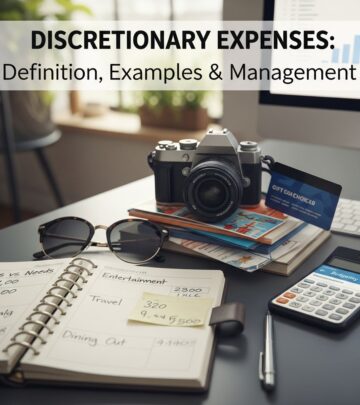
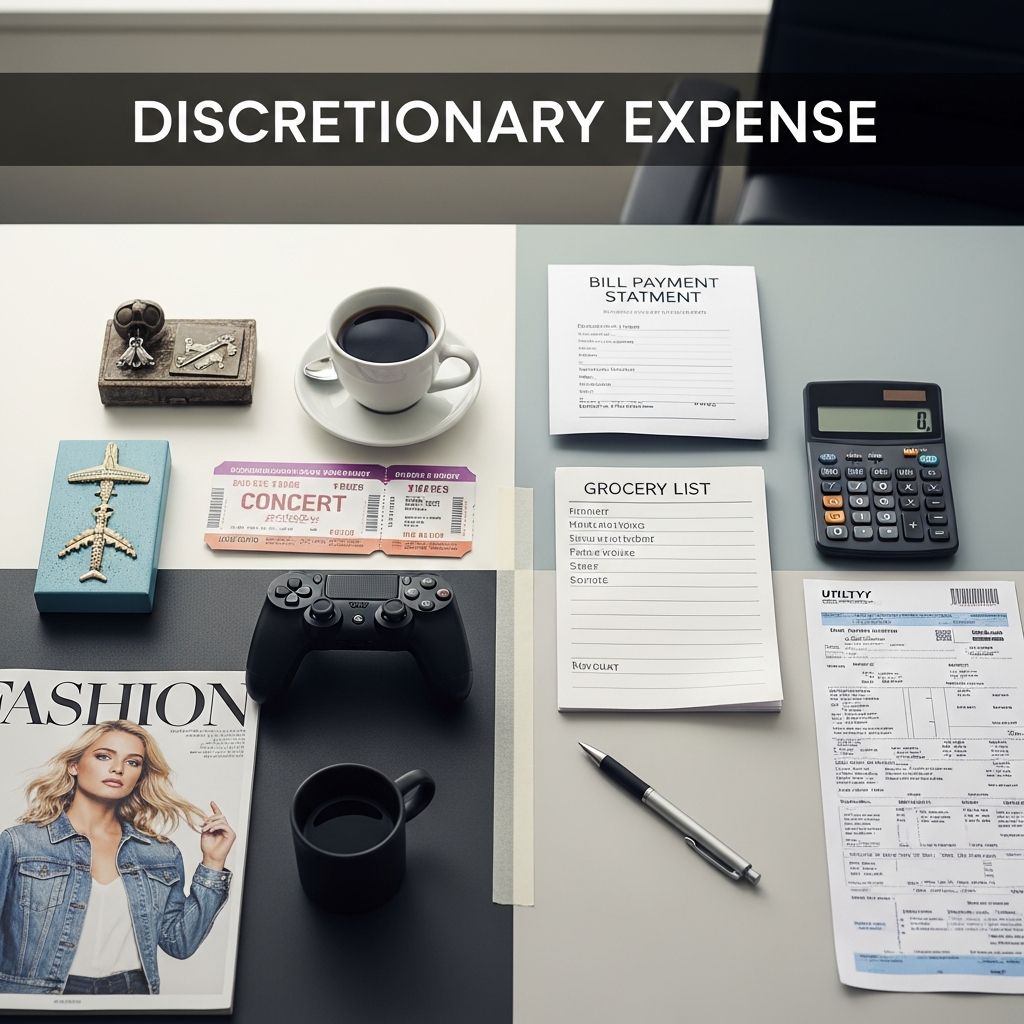
is any non-essential cost that is not required for basic survival or fixed obligations, allowing flexibility to adjust or eliminate it to improve your budget. These expenses differ from necessities like rent or groceries, offering opportunities to redirect funds toward savings or debt reduction.Achieving financial stability hinges on distinguishing between essential and optional spending. Discretionary expenses, often overlooked, can accumulate and hinder progress toward goals like retirement or emergency funds. By tracking and controlling them, individuals and businesses can enhance cash flow and long-term wealth.
Importance of Discretionary Expenses
Discretionary expenses act as flexible elements in your budget, influencing lifestyle quality while presenting risks to financial health if unmanaged. Properly controlled, they enable reallocating funds to high-priority areas such as investments or debt payoff, accelerating wealth accumulation.
While excessive spending here may reduce savings, balance is key—some discretionary outlays, like skill-building courses, can yield returns. Regular monitoring ensures alignment with financial objectives, preventing lifestyle inflation where rising income fuels unnecessary purchases.
For instance, redirecting $200 monthly from dining out to a retirement account could grow significantly over decades via compound interest. This strategic shift underscores why mastering these expenses is vital for sustainable financial growth.
Examples of Discretionary Expenses
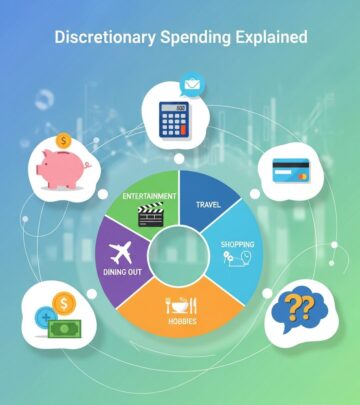
Common discretionary expenses include luxury items and experiences not vital for daily functioning. Key examples are:
- Dining out or restaurant meals: Beyond basic groceries, frequent upscale dining qualifies as optional.
- Entertainment and subscriptions: Streaming services, concerts, movies or hobbies like gaming.
- Travel and vacations: Leisure trips, weekend getaways or luxury accommodations.
- Shopping for non-essentials: Clothing beyond necessities, gadgets, jewelry or home decor upgrades.
- Gym memberships or wellness: Optional fitness classes, spa treatments or personal training.
- Hobbies and recreation: Sports equipment, crafting supplies or event tickets.
These can enhance life enjoyment but vary by personal priorities. What one views as essential (e.g., coffee shop visits) another cuts easily, highlighting subjective nature.
Discretionary Expenses for Your Home vs. Business
Discretionary expenses manifest differently in personal and business contexts, though both demand vigilant oversight to avoid budget derailment.
Personal (Home) Discretionary Expenses:
- Family vacations or weekend trips.
- Weekly dining out or delivery services.
- Home entertainment systems or decor.
- Gym fees, hobby classes or pet spa services.
- Impulse clothing or gadget purchases.
Business Discretionary Expenses:
- Marketing campaigns or advertising boosts.
- Employee perks like bonuses or team events.
- Office upgrades, furniture or decor.
- Software subscriptions beyond core needs.
- Client entertainment or travel perks.
Personal examples often tie to lifestyle enhancement, while business ones support growth or morale. In both, unchecked growth can strain resources—e.g., a business overspending on events might cut R&D funding.
Discretionary vs. Non-Discretionary Expenses
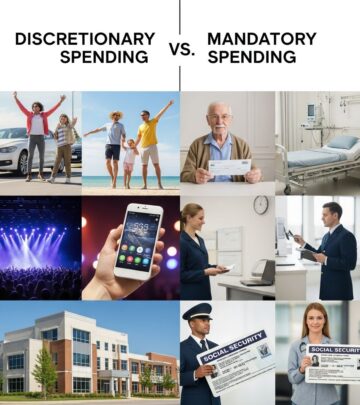
Understanding the divide is crucial for effective budgeting. Use this table for clarity:
| Category | Discretionary Expenses | Non-Discretionary Expenses |
|---|---|---|
| Definition | Optional, adjustable costs for wants. | Required for survival/operations. |
| Flexibility | High—can cut immediately. | Low—fixed or long-term contracts. |
| Examples (Personal) | Dining out, vacations, subscriptions. | Rent, utilities, groceries, insurance. |
| Examples (Business) | Bonuses, ads, office decor. | Salaries, rent, core utilities. |
| Impact if Unmanaged | Derails savings goals quickly. | Threatens basic stability. |
Non-discretionary form your budget’s foundation, but even they offer tweaks—like energy-efficient appliances for utilities. Discretionary provide quicker wins for adjustments.
Tips for Managing Discretionary Expenses
Effective control requires strategy. Implement these proven tips:
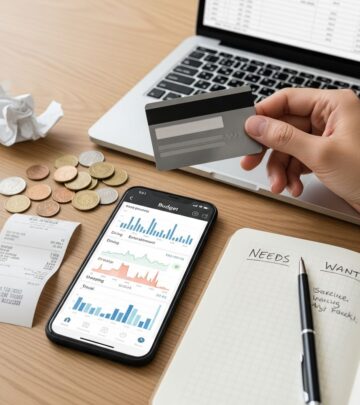
- Track spending rigorously: Review statements weekly using apps or spreadsheets to spot patterns.
- Set budgets with the 50/30/20 rule: 50% needs, 30% wants (discretionary), 20% savings/debt.
- Prioritize and categorize: Rank expenses by joy vs. cost; cut lowest-value first.
- Use cash envelopes: Allocate fixed cash for categories like entertainment to enforce limits.
- Leverage apps: Tools like PocketGuard or Empower auto-categorize and alert overspending.
- Review monthly: Adjust based on goals; automate transfers to savings first.
- Seek alternatives: Home workouts vs. gym fees; free events vs. paid outings.
Consistency yields results—many reduce discretionary by 20-30% initially, freeing funds for investments.
Frequently Asked Questions (FAQs)
What is a discretionary expense?
A non-essential, adjustable cost like entertainment or luxury goods, unlike fixed needs.
How do discretionary expenses differ from non-discretionary?
Discretionary are optional and flexible; non-discretionary are necessities with less wiggle room.
Why track discretionary expenses?
Tracking reveals leaks, enables cuts and redirects funds to goals like retirement.
Can businesses have discretionary expenses?
Yes, such as bonuses or marketing, distinct from salaries or rent.
What apps help manage them?
PocketGuard, Empower or spreadsheets for categorization and alerts.
Bottom Line
Managing discretionary expenses empowers financial control, whether for personal dreams or business expansion. Balance enjoyment with discipline to unlock savings potential and secure your future.
References
- What Is a Discretionary Expense? — SmartAsset. 2023. https://smartasset.com/personal-finance/discretionary-expense
- How to Track Expenses for Your Financial Plan — SmartAsset. 2023. https://smartasset.com/financial-advisor/how-to-track-expenses
- Salary Needed to Live Comfortably by State – 2025 Study — SmartAsset. 2025-01-01. https://smartasset.com/data-studies/state-salary-living-comfortably-2025
- Consumer Expenditure Survey — U.S. Bureau of Labor Statistics. 2024-09-10. https://www.bls.gov/cex/
- Personal Consumption Expenditures — Federal Reserve Economic Data (FRED). 2025-01-01. https://fred.stlouisfed.org/series/PCE
- Financial Planning Handbook — Consumer Financial Protection Bureau. 2024. https://www.consumerfinance.gov/consumer-tools/budgeting/
Similar Articles








Read full bio of medha deb