Discretionary Expenses: Definition, Examples & Guide
Master discretionary spending: Learn what counts, examples, and smart budgeting strategies.
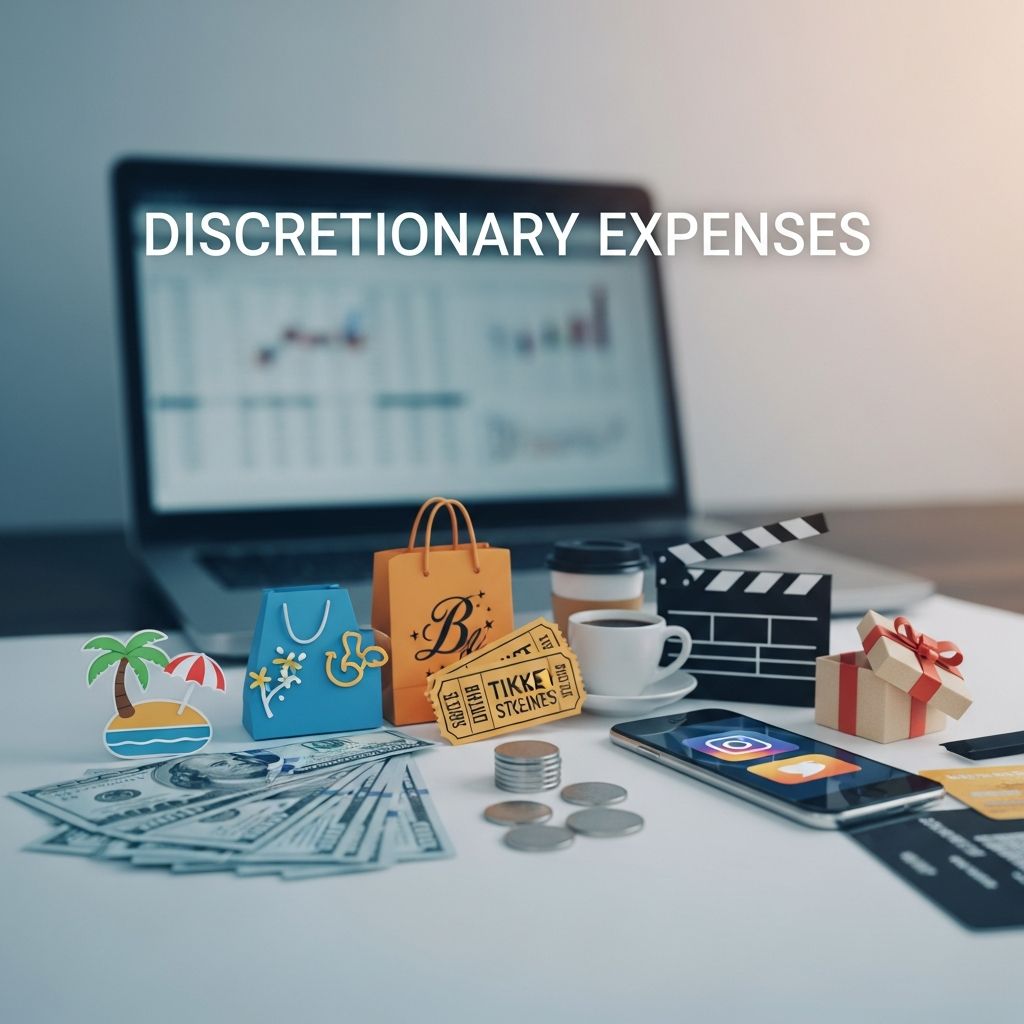
Understanding Discretionary Expenses
Discretionary expenses represent one of the most important concepts in personal financial management. Unlike essential costs that form the foundation of your budget, discretionary expenses are the optional, flexible purchases you make based on your preferences and available income. Understanding this category is crucial for anyone looking to build wealth, save for retirement, or simply gain better control over their finances.
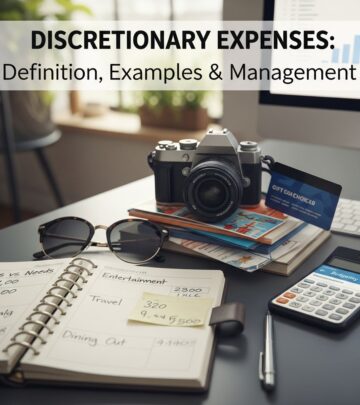
A discretionary expense is fundamentally a non-essential cost—a purchase that, while enjoyable or convenient, is not required for your basic survival or the maintenance of your household. These are the items and experiences you choose to spend money on after covering your fundamental needs like housing, food, utilities, and transportation. In simple terms, discretionary expenses are your “wants” rather than your “needs.”
Discretionary vs. Non-Discretionary Expenses
To effectively manage your finances, it’s essential to distinguish between discretionary and non-discretionary expenses. This classification helps you understand where your money goes and where you have flexibility to adjust your spending.
| Expense Type | Characteristics | Examples |
|---|---|---|
| Discretionary Expenses | Non-essential, flexible, adjustable or eliminable without affecting basic living standards | Entertainment, dining out, vacations, hobbies, luxury items, subscriptions |
| Non-Discretionary Expenses | Essential, recurring, required for basic operations and survival | Mortgage/rent, utilities, groceries, insurance, car payments, property taxes |
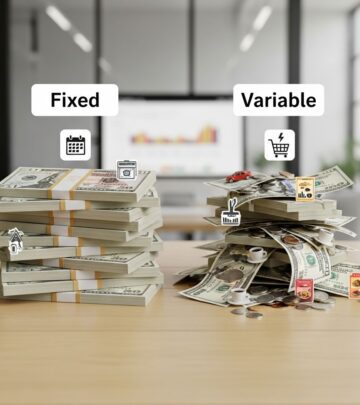
Non-discretionary expenses are those costs you cannot avoid without serious consequences. These include your rent or mortgage payment, utility bills, insurance premiums, and grocery expenses. These obligations remain relatively fixed regardless of economic circumstances or personal preference. If you stop paying these expenses, you face eviction, disconnection of services, or other serious repercussions.
Discretionary expenses, by contrast, offer flexibility. You can reduce, eliminate, or postpone these purchases depending on your financial situation and priorities. This flexibility makes discretionary spending a natural target when you need to adjust your budget or during financial difficulties.
Common Examples of Discretionary Expenses
Discretionary expenses appear in nearly every household budget, though the specific items vary based on personal interests and lifestyle choices. Understanding common examples helps you identify discretionary spending in your own financial life.
Entertainment and Dining
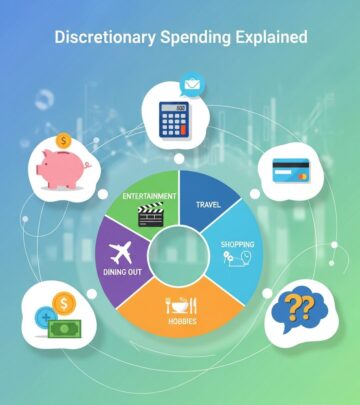
Entertainment expenses represent a significant portion of discretionary spending for many households. This category includes movie tickets, concert attendance, streaming service subscriptions, dining out at restaurants, and bars or nightclubs. While these experiences enhance your quality of life and provide enjoyment, they are not necessary for meeting your basic needs.
Vacations and Travel
Travel expenses beyond essential trips constitute discretionary spending. Vacations, weekend getaways, airline tickets for leisure travel, and hotel accommodations fall into this category. These experiences, while valuable for relaxation and creating memories, can be adjusted or postponed based on your financial situation.
Hobbies and Recreation
Money spent on hobbies—whether it’s golf equipment, art supplies, gym memberships, sports activities, or gaming—represents discretionary expenses. These pursuits contribute to personal fulfillment and wellness but are optional in nature.
Personal Care and Appearance
Beyond basic hygiene necessities, expenditures on salon services, premium skincare products, cosmetics, and personal grooming treatments are discretionary. While personal care is important, the level and type of spending in this category is a matter of choice.
Shopping and Consumer Goods
Purchases of clothing beyond basic necessities, accessories, gadgets, electronics upgrades, and luxury goods represent discretionary spending. The distinction here is important: while everyone needs clothes, purchasing the latest fashion items or upgrading to premium brands is a discretionary choice.
Gifts and Special Occasions
Money spent on gifts for others, celebrations, and special occasions falls into the discretionary category. While these gestures are meaningful, the decision to give gifts and the amount spent is flexible and optional.
Subscriptions and Memberships
Monthly subscriptions to streaming services, magazine subscriptions, club memberships, and premium app services are discretionary expenses. While some subscriptions might feel essential to modern life, they are fundamentally optional purchases.
Why Discretionary Expenses Matter
Understanding and managing discretionary expenses is critical for several reasons. First, they represent significant money that could be redirected toward financial goals like building emergency funds, paying off debt, or investing for retirement. For many households, discretionary spending comprises 10–30% of their total budget, making it a powerful lever for financial improvement.
Second, discretionary expenses are where you have the most control and flexibility. Unlike your mortgage payment or car loan, which remain relatively fixed, you can adjust discretionary spending to match your income and priorities. This flexibility makes it an essential tool for financial planning and crisis management.
Third, discretionary spending reflects your values and priorities. How you choose to spend your discretionary income—whether on travel, education, experiences with family, or charitable giving—reveals what matters most to you and shapes your overall quality of life.
Creating a Discretionary Spending Budget
Effective budgeting requires a strategic approach to discretionary expenses. Here are key principles for managing this category:
Calculate Your Discretionary Income
Start by determining how much money remains after covering all non-discretionary expenses. Subtract your essential costs (housing, utilities, groceries, insurance, transportation, debt payments) from your total income. The remaining amount is available for discretionary spending.
Set Spending Limits
Establish realistic and sustainable limits for each discretionary category. Financial experts often recommend that discretionary expenses comprise no more than 20% of your take-home income, though this varies based on individual circumstances and goals.
Track Your Spending
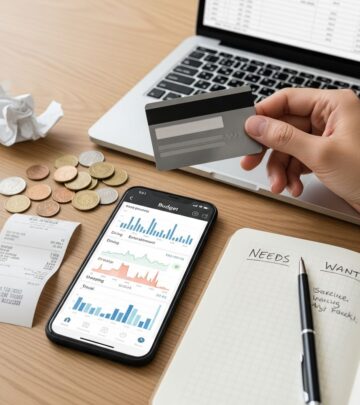
Monitor your discretionary expenses regularly to ensure you stay within budget. Many people underestimate how much they spend on discretionary items, so tracking provides crucial visibility into spending patterns.
Prioritize Your Wants
Since you cannot always afford everything you want, prioritize discretionary expenses based on what brings you the most satisfaction or aligns with your life goals. This helps ensure that your discretionary spending reflects your true values.
Review Regularly
Periodically review your discretionary spending to identify areas where you can reduce expenses without significantly impacting your happiness. Canceling unused subscriptions, finding cheaper alternatives, or temporarily cutting discretionary spending can help you redirect funds toward financial goals.
Strategies for Managing Discretionary Expenses
Smart management of discretionary spending doesn’t mean eliminating enjoyment—it means being intentional about your choices. Consider these practical strategies:
Use the 50/30/20 Budget Rule
A popular budgeting framework allocates 50% of after-tax income to needs, 30% to wants (discretionary expenses), and 20% to savings and debt repayment. This provides a balanced approach to discretionary spending while prioritizing financial security.
Implement a Waiting Period
Before making discretionary purchases, wait a specified period—typically 24 hours to one week—to determine if you still want the item. This simple practice reduces impulse buying and often results in fewer unnecessary purchases.
Use Cash for Discretionary Spending
Paying with cash for discretionary expenses makes spending more tangible and often results in more conscious purchasing decisions. When you hand over physical money, you become more aware of the actual cost.
Set Category-Specific Limits
Rather than one general discretionary budget, establish specific limits for each category—entertainment, dining, shopping, hobbies. This approach provides more granular control and helps you stay accountable.
Negotiate Bills and Subscriptions
Many discretionary expenses like streaming services, gym memberships, and subscription boxes can be negotiated. Regularly shop for better rates, bundle services, or cancel unused subscriptions to reduce costs.
Discretionary Expenses and Financial Goals
Your approach to discretionary spending significantly impacts your ability to achieve financial goals. If your goal is building an emergency fund, reducing discretionary expenses temporarily can accelerate progress. Similarly, if you’re working toward debt payoff, cutting discretionary spending frees up money for additional principal payments.
However, completely eliminating discretionary spending is neither necessary nor advisable. Budgeting too aggressively on discretionary items often leads to burnout and abandoned financial plans. A sustainable approach allows reasonable discretionary spending while still making progress toward your broader financial objectives.
The Psychological Aspects of Discretionary Spending
Understanding the psychology behind discretionary spending helps you make better financial decisions. Many discretionary purchases are driven by emotion rather than genuine need. Stress, boredom, or seeking happiness can trigger spending that provides temporary satisfaction but doesn’t align with your financial goals.
Recognizing these patterns allows you to develop healthier spending habits. If you tend to shop when stressed, consider alternative stress-management techniques. If boredom drives spending, find low-cost or free activities that provide enjoyment.
Frequently Asked Questions
Q: Can discretionary expenses ever be considered essential?
A: Technically, no—by definition, discretionary expenses are non-essential. However, the line between discretionary and non-discretionary can be subjective. For example, a business professional might argue that certain clothing purchases are essential for work, even though they could be classified as discretionary by others.
Q: How much of my budget should go to discretionary expenses?
A: Most financial experts recommend allocating 20–30% of your after-tax income to discretionary spending, depending on your financial goals and personal circumstances. The popular 50/30/20 rule suggests 30% for wants (discretionary expenses).
Q: Is it bad to spend money on discretionary expenses?
A: No—spending on discretionary expenses is not inherently bad. Enjoying life and pursuing activities that bring happiness is important for overall well-being. The key is ensuring that discretionary spending doesn’t prevent you from meeting essential needs or achieving important financial goals.
Q: How can I reduce discretionary spending without feeling deprived?
A: Focus on reducing low-value spending while maintaining purchases that truly bring you joy. Cancel subscriptions you don’t use, find cheaper alternatives for entertainment, and prioritize experiences over material items. This approach reduces spending while preserving life satisfaction.
Q: Are insurance and healthcare discretionary or non-discretionary?
A: Basic insurance and necessary healthcare are non-discretionary because they are essential for protecting your health and financial security. However, elective procedures, cosmetic treatments, or premium health services could be considered discretionary.
Q: What’s the difference between discretionary and impulse spending?
A: Discretionary spending is planned spending on non-essential items within your budget. Impulse spending is unplanned, emotional buying that often exceeds your budget. Not all discretionary spending is impulse-based, and not all impulse purchases are strictly discretionary in nature.
References
- What are discretionary expenses? — Ramp. 2024. https://ramp.com/blog/what-are-discretionary-expenses
- Discretionary Expenses: Definition, Examples, And Best Practices — Coast Pay. 2024. https://coastpay.com/blog/discretionary-expenses/
- Understanding Discretionary Spending with Examples — Alaan. 2024. https://www.alaan.com/blog/what-are-examples-of-discretionary-spending-explained
- What are Discretionary Expenses? Definition and Examples — EBizCharge. 2024. https://ebizcharge.com/blog/what-are-discretionary-expenses-definition-and-examples/
- Discretionary Expense — Definition, Examples, Budgeting — Corporate Finance Institute. 2024. https://corporatefinanceinstitute.com/resources/wealth-management/discretionary-expense/
- Discretionary Expenses: Meaning & How to Control — Planergy. 2024. https://planergy.com/blog/discretionary-expenses/
- What are discretionary expenses — Expensya. 2024. https://www.expensya.com/en/blog/what-are-discretionary-expenses/
Similar Articles








Read full bio of Sneha Tete