Discovering Your Perfect Hobby: A Practical Step-By-Step Guide
Unlock joy and fulfillment by finding a hobby that matches your lifestyle with practical steps and beginner tips.

Embarking on a new hobby can transform routine days into sources of genuine excitement and personal achievement. Whether you’re seeking stress relief, skill development, or social connections, the right pastime aligns with your curiosities and schedule.
Why Pursue a Hobby in Adulthood?
Adults often prioritize work and obligations, sidelining leisure activities that once fueled passion. Yet, dedicating time to hobbies yields profound benefits: reduced anxiety, enhanced creativity, and stronger cognitive function. Research from health organizations highlights how regular engagement in enjoyable pursuits supports mental well-being and combats burnout.
For instance, creative endeavors like drawing or gardening stimulate brain areas linked to problem-solving, while physical hobbies such as cycling promote cardiovascular health. These activities foster a sense of accomplishment, countering the monotony of daily life.
Assessing Your Interests and Goals
Begin by reflecting on what captivates you. Consider past joys—did childhood games like puzzles or outdoor adventures linger in memory? Jot down activities that evoke curiosity, from culinary experiments to digital design.
- Childhood favorites: Revisit simple pleasures like building models or collecting items for low-pressure entry.
- Current curiosities: Notice media or conversations that intrigue you, such as documentaries on astronomy or podcasts about woodworking.
- Lifestyle fit: Evaluate time availability and energy levels—opt for flexible options if your schedule is packed.
This self-assessment ensures your choice resonates deeply, increasing commitment odds.
Brainstorming Hobby Categories
Hobbies span diverse domains, allowing personalization. Categorize to narrow options:
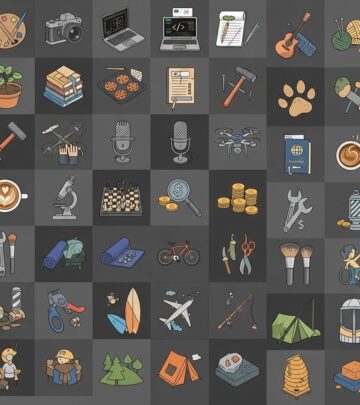
| Category | Examples | Why Try It? |
|---|---|---|
| Creative | Painting, knitting, writing | Boosts imagination and provides tangible results |
| Physical | Hiking, yoga, dancing | Improves fitness and mood through movement |
| Intellectual | Reading, chess, coding | Sharpens mind and offers endless challenges |
| Social | Board games, volunteering, music groups | Builds relationships and shared experiences |
| Practical | Gardening, cooking, DIY repairs | Delivers useful skills and home improvements |
Match these to your preferences; a blend, like photography combining creativity and outdoors, often sustains interest.
Testing Ideas Without Commitment
Sample multiple pursuits before investing heavily. Use free resources to trial:
- Online tutorials on platforms like YouTube for guitar basics or watercolor techniques.
- Library books or apps for language learning or birdwatching guides.
- Community events, such as free workshops at parks or virtual meetups.
This experimentation phase, lasting 1-2 weeks per idea, reveals true passions without financial risk.
Overcoming Common Obstacles
Fear of Failure
Perfectionism deters many; remember, proficiency develops gradually. Focus on enjoyment over expertise—every master began clumsily. Track small wins, like completing a sketch, to build confidence.
Limited Budget
Start minimally: borrow gear, use household items, or opt for digital alternatives. For example, smartphone photography bypasses camera costs, and free apps suffice for journaling.
Time Constraints
Integrate hobbies seamlessly—listen to audiobooks during commutes or practice stretches in breaks. Aim for 15-30 minutes daily to cultivate habit without overwhelm.
Gearing Up Affordably
Once selected, acquire essentials wisely:
- Borrow or rent: Friends, libraries, or apps for instruments/tools.
- Secondhand markets: Thrift stores for art supplies or sports equipment.
- DIY substitutes: Repurpose jars for storage in collecting hobbies.
A modest starter kit under $50 often suffices, expandable as passion grows.
Establishing a Sustainable Routine
Consistency trumps intensity. Anchor your hobby to existing habits:
- Morning: 20 minutes of meditation or sketching post-coffee.
- Evening: Wind down with reading or puzzle-solving.
- Weekends: Longer sessions for immersive activities like baking.
Set micro-goals, such as “one recipe weekly,” and use reminders. Track progress in a journal to visualize growth and stay motivated.
Connecting with Like-Minded Enthusiasts
Solitary starts evolve into communal joy. Seek:
- Local groups: Meetups via apps or community centers for hiking clubs.
- Online spaces: Forums, Reddit, or Discord for tips and feedback.
- Classes: Affordable group sessions for accountability.
These networks provide inspiration, troubleshooting, and friendships, amplifying enjoyment.
Advanced Tips for Long-Term Success
Elevate your practice:
- Challenge yourself: Enter contests or share work online for feedback.
- Adapt as needed: Modify for life changes, like seated crafts for mobility limits.
- Monetize optionally: Sell crafts or teach beginners once proficient.
Periodically reassess—hobbies evolve, and variety prevents stagnation.
Hobby Ideas for Every Personality
- Introverts: Journaling, model building, stargazing—solitary yet rewarding.
- Extroverts: Team sports, improv theater, language exchanges—social sparks.
- Busy professionals: Podcasts, audiobooks, quick crafts—fits fragmented time.
- Retirees: Gardening, volunteering, memoir writing—flexible and meaningful.
Frequently Asked Questions
What if I lose interest quickly?
That’s normal—give it 4-6 weeks with consistent short sessions. If unfulfilled, pivot guilt-free; variety leads to the right fit.
How do I balance hobbies with responsibilities?
Prioritize ruthlessly: replace low-value habits like scrolling with hobby time. Short bursts maintain progress without overload.
Are expensive hobbies worth it?
Not initially—prove passion first. Many thrive on free/cheap starts, scaling up later.
Can hobbies improve mental health?
Yes, studies link them to lower stress and higher life satisfaction through flow states and achievement.
Best first hobby for absolute beginners?
Puzzles or walking—minimal setup, immediate gratification, and scalable.
References
- How to Start a New Hobby: A Beginner’s Guide to Exploring Your Interests — Vocal Media. 2023-05-15. https://vocal.media/humans/how-to-start-a-new-hobby-a-beginner-s-guide-to-exploring-your-interests
- A Guide to Starting a Hobby — Bindertek. 2024-02-10. https://www.bindertek.com/blog/a-guide-to-starting-a-hobby/
- How to Choose the Right Hobby for You: A Beginner’s Guide — Hobbyco. 2023-11-20. https://www.hobbyco.com.au/blogs/blog/how-to-choose-the-right-hobby-for-you-a-beginner-s-guide
- How to Start a New Hobby: Beginner-Friendly Creative Activities — Cratejoy. 2024-01-08. https://www.cratejoy.com/blogs/box-insider/how-to-start-a-new-hobby-list-tips
- How to Start a New Hobby or Adapt an Old One — ArchWell Health. 2023-09-12. https://archwellhealth.com/blogs/how-to-start-a-new-hobby-or-adapt-an-old-one/
Similar Articles








Read full bio of medha deb