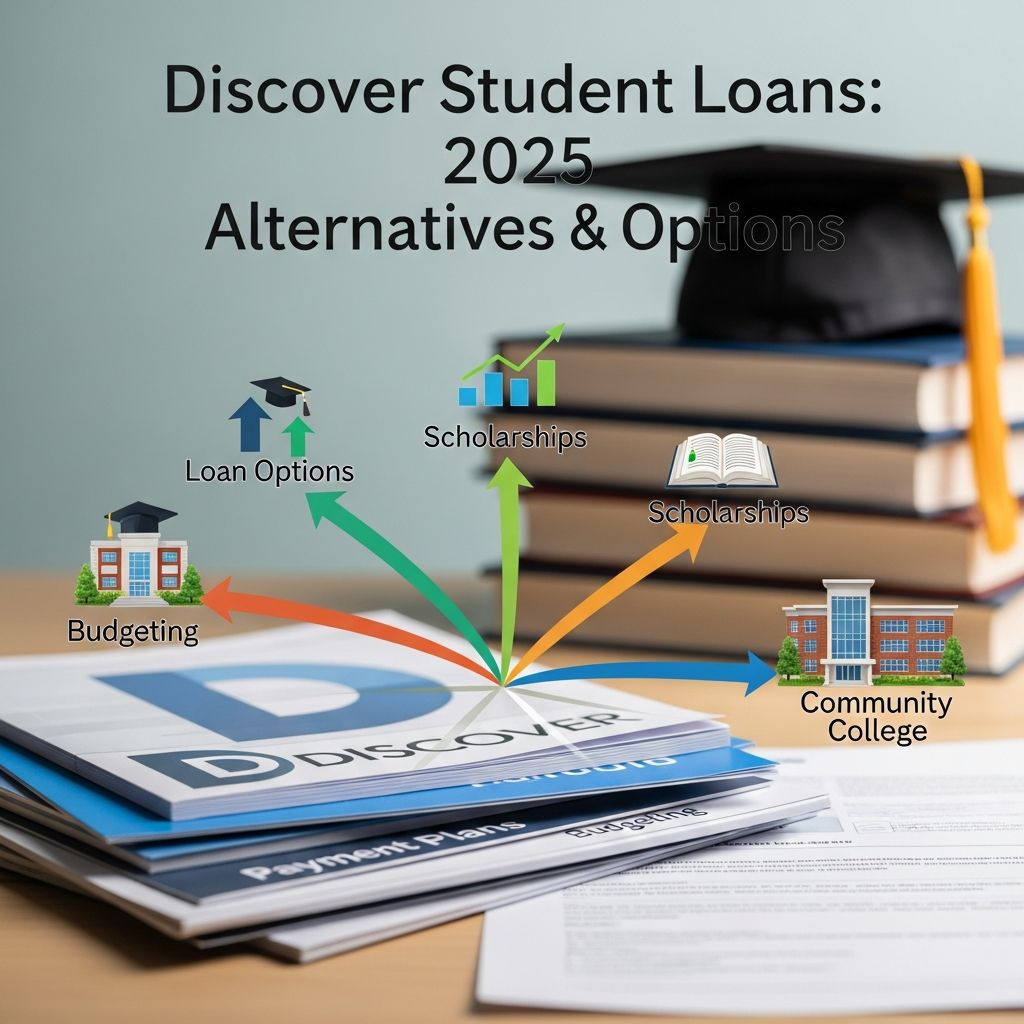
Discover Student Loans: 2025 Alternatives & Options
Explore Discover student loan alternatives and understand why the lender stopped issuing new loans in 2025.
Discover Student Loans: What You Need to Know in 2025
The landscape of student lending has shifted significantly, and current borrowers as well as prospective students need to understand what options are available. Discover, once a notable player in the private student loan market, is no longer originating new student loans. However, existing borrowers can still manage their accounts through Discover’s website and customer service channels. This development has prompted many students and families to explore alternative private student loan lenders that offer competitive rates, flexible repayment options, and borrower-friendly features.
Understanding the current state of Discover student loans and identifying suitable alternatives is crucial for anyone financing their education through private lending. This comprehensive guide explores the reasons behind Discover’s exit from new loan origination, examines the competitive landscape of private student lenders, and provides insights into how to select the best student loan option for your educational and financial circumstances.
Why Discover Stopped Issuing New Student Loans
Discover’s decision to cease originating new student loans reflects broader trends in the private education lending market. The company has redirected its focus toward other financial products and services where it can better compete and serve its customer base. While the exact strategic reasons remain internal to the company, this move is consistent with consolidation trends in the private student loan industry, where fewer lenders now dominate the market.
Existing Discover student loan borrowers are not affected by this change. The company continues to service outstanding loans and provides borrowers with access to their loan information through its website. Borrowers can still make payments, view account details, explore repayment options, and contact customer service for assistance with their existing obligations.
Key Takeaways for Current and Prospective Borrowers
For students seeking private student loans in 2025, several important considerations should guide your decision-making process:
- Federal loans should be your primary financing source before considering private options
- Multiple reputable lenders offer competitive rates and flexible terms comparable to what Discover previously provided
- APR ranges, loan terms, and available repayment options vary significantly among lenders
- Your credit profile and creditworthiness directly impact the interest rates you’ll qualify for
- Cosigner requirements and grade-based discounts differ across lenders
- Loan servicers offer various features that can ease repayment and provide financial flexibility
Understanding Private Student Loan Alternatives
Several major lenders have filled the market space left by Discover’s exit and continue to offer comprehensive student loan products. When comparing alternatives, it’s essential to evaluate multiple dimensions of each lender’s offerings. The most critical factors include interest rate ranges, loan amount flexibility, available repayment terms, geographic availability, and special borrower benefits.
Leading private student loan lenders typically offer loans for undergraduate education, graduate studies, professional degrees (including MBA, medical, dental, and law programs), and parent PLUS loans. Many also provide student loan refinancing options for borrowers looking to reduce their interest rates or adjust their repayment timelines.
Comparing APR Ranges and Loan Terms
Interest rates represent one of the most significant factors in your total loan cost over time. Different lenders structure their APR offerings differently, with some providing fixed rates and others offering variable rate options. Fixed rates provide payment predictability, while variable rates may start lower but can fluctuate based on market conditions.
When evaluating lenders that previously competed with Discover, you’ll notice that fixed APR ranges typically span from approximately 2.89% to 17.99%, depending on the lender and borrower qualifications. Variable rates generally range from 4.24% to 17.99%. The highest rates are reserved for borrowers with limited credit history or lower credit scores, while the most competitive rates go to borrowers with strong credit profiles.
Loan term lengths also vary by lender and loan type. Most private student lenders offer repayment periods ranging from 5 to 20 years, with longer terms available for graduate and professional loans. Shorter terms result in lower total interest paid but require higher monthly payments, while longer terms reduce monthly obligations but increase the total interest expense.
Availability and Loan Types
Not all lenders offer the same breadth of loan products. When shopping for private student loans, verify that your chosen lender provides financing for your specific educational needs. Major loan categories include:
- Undergraduate loans for four-year degree programs
- Graduate student loans for master’s and doctoral programs
- Professional degree loans for MBA, medical, dental, and law programs
- Medical residency loans for physician trainees
- Parent PLUS loans for parents financing their children’s education
- Student loan refinancing products for consolidating and optimizing existing debt
Geographic availability also matters. While most major lenders serve all fifty states, it’s worth confirming that your lender operates in your state and that you meet any residency or enrollment requirements they may have.
The Importance of Federal Loans First
Before pursuing private student loans, exhaustively explore federal student loan options. Federal loans offer numerous protections and benefits that private lenders typically cannot match. Federal loans feature income-driven repayment plans, loan forgiveness programs after 20 to 25 years of qualifying payments, deferment and forbearance options during financial hardship, and borrower protections including disability discharge and public service loan forgiveness eligibility.
Additionally, federal loans do not require a credit check or cosigner. They provide a crucial safety net for borrowers facing unemployment, medical emergencies, or other financial challenges. Private loans, by contrast, rely on underwriting based on creditworthiness and may require a creditworthy cosigner if you have limited credit history or lower credit scores.
Securing the Best Private Loan Rates
The most favorable private student loan APRs are reserved for borrowers with excellent credit histories, stable income, and manageable existing debt levels. If you have limited credit history—as most students do—you’ll likely need a cosigner to qualify for the best rates. A cosigner with strong credit can significantly improve your borrowing terms.
Even without perfect credit, you can improve your position by:
- Building credit history before applying for loans
- Securing a creditworthy cosigner who will be jointly responsible for the loan
- Comparing multiple lenders to find those with favorable options for your credit profile
- Looking for lenders that offer rate reductions for activities like autopay enrollment or maintaining good grades
- Considering variable rate options if you can tolerate rate fluctuation for a lower starting rate
Special Benefits and Borrower Perks
Leading private student lenders differentiate themselves through special benefits beyond just competitive interest rates. Many offer grade-based discounts that reduce your interest rate if you maintain a certain GPA, typically 3.0 or higher. This incentivizes academic excellence and provides tangible financial rewards for strong performance.
Other valuable features include:
- Flexible repayment options allowing interest-only payments while in school
- Grace periods before repayment begins after graduation or loan disbursement
- Cosigner release options after demonstrating responsible payment history
- Forbearance and deferment provisions for temporary financial hardship
- Loyalty discounts for borrowers with multiple products from the same lender
- Career services and financial wellness resources
Evaluating Lender Reputation and Customer Service
Your relationship with your loan servicer extends throughout your repayment period, potentially spanning a decade or more. Selecting a lender known for responsive customer service, transparent communication, and helpful support can significantly enhance your borrowing experience. Research lender reviews, check complaint databases, and consider contacting customer service before applying to gauge responsiveness and professionalism.
The Application Process and Timeline
Private student loan applications typically take one to three business days for approval decisions. The process involves:
- Completing an online application with personal, financial, and educational information
- Authorizing a credit check and income verification
- Receiving a loan decision and interest rate quote
- Accepting the loan terms and completing final documentation
- Waiting for funds to disburse to your school
Plan ahead to ensure you apply well in advance of your school’s disbursement deadlines to avoid gaps in education financing.
Cosigners and Credit Considerations
If you lack sufficient credit history or have a limited credit profile, a cosigner can be instrumental in qualifying for private student loans. A cosigner is jointly responsible for the loan and their credit is evaluated during underwriting. They must pass the lender’s credit and income requirements and typically need to demonstrate the ability to repay the full loan amount if you default.
Some lenders offer cosigner release provisions after 24 to 48 months of on-time payments, allowing you to remove the cosigner and take sole responsibility for the remaining balance. This option helps rebuild your independent credit history.
Comparing Total Loan Cost
When evaluating private student loan options, don’t focus solely on interest rates. Calculate the total amount you’ll pay over the loan’s life, including all interest and fees. A slightly higher rate over a shorter term may result in lower total interest than a lower rate extended over a longer period.
Use loan calculators provided by lenders to project your total costs under different scenarios. This analysis helps you understand the true expense of each loan option and make informed decisions about term length and rate type (fixed versus variable).
Frequently Asked Questions
Q: Can I still access my Discover student loan account?
A: Yes, existing Discover student loan borrowers can access their accounts on the Discover website. You can view loan details, make payments, explore repayment options, and contact customer service for assistance.
Q: What should I do if I was planning to borrow from Discover?
A: First, maximize federal loan options through the Free Application for Federal Student Aid (FAFSA). Then, compare private student loan alternatives from lenders offering competitive rates and flexible terms. Review the comparison table of leading lenders to identify options matching your needs.
Q: How can I get the best private student loan rate?
A: Build your credit history before applying, consider adding a creditworthy cosigner, compare multiple lenders, and look for discounts related to autopay enrollment or academic performance. The best rates typically require strong credit and may be accompanied by cosigner release options.
Q: Are there fees associated with private student loans?
A: Many reputable private student loan lenders charge no origination fees or prepayment penalties. However, some may have application fees or other charges. Always review the loan disclosure documents carefully before accepting any loan offer.
Q: What’s the difference between fixed and variable rate student loans?
A: Fixed rate loans maintain the same interest rate throughout the repayment period, providing payment predictability. Variable rate loans start with a lower rate but can fluctuate based on market conditions, potentially increasing your monthly payment over time.
Q: Can I refinance my Discover student loan with another lender?
A: Yes, you can refinance your Discover student loan with another private lender if you qualify. Refinancing might lower your interest rate or adjust your repayment term. However, refinancing federal loans privately means losing federal protections, so consider this carefully.
Making Your Decision
Choosing a student loan lender is a significant financial decision with long-term implications. Take time to evaluate all available options, understand the total cost of each loan, and select a lender that offers competitive rates, flexible terms, and excellent customer service. Remember that federal loans should be your foundation, and private loans should supplement only what you need beyond federal aid.
By thoroughly researching alternatives to Discover and comparing lenders based on rates, terms, availability, and borrower benefits, you’ll make an informed choice that supports your educational goals while minimizing your long-term debt burden.
References
- Discover Student Loans: 2025 Alternatives – Bankrate — Bankrate. 2025. https://www.bankrate.com/loans/student-loans/reviews/discover/
- Student Loans Lender Reviews Methodology — Bankrate. 2025. https://www.bankrate.com/loans/student-loans/lender-review-methodology/
- Best Private Student Loan Rates In November 2025 — Bankrate. 2025. https://www.bankrate.com/loans/student-loans/private-student-loans/
- Student loan interest rates in November 2025 — Bankrate. 2025. https://www.bankrate.com/loans/student-loans/current-interest-rates/
- Loans and Financial Aid — Central Piedmont Community College. https://www.cpcc.edu/financial-aid/loans-and-financial-aid
Similar Articles








Read full bio of medha deb