How to Get Discount Prescriptions and Save on Medications
Smart strategies to reduce prescription costs and access affordable medications without breaking your budget.
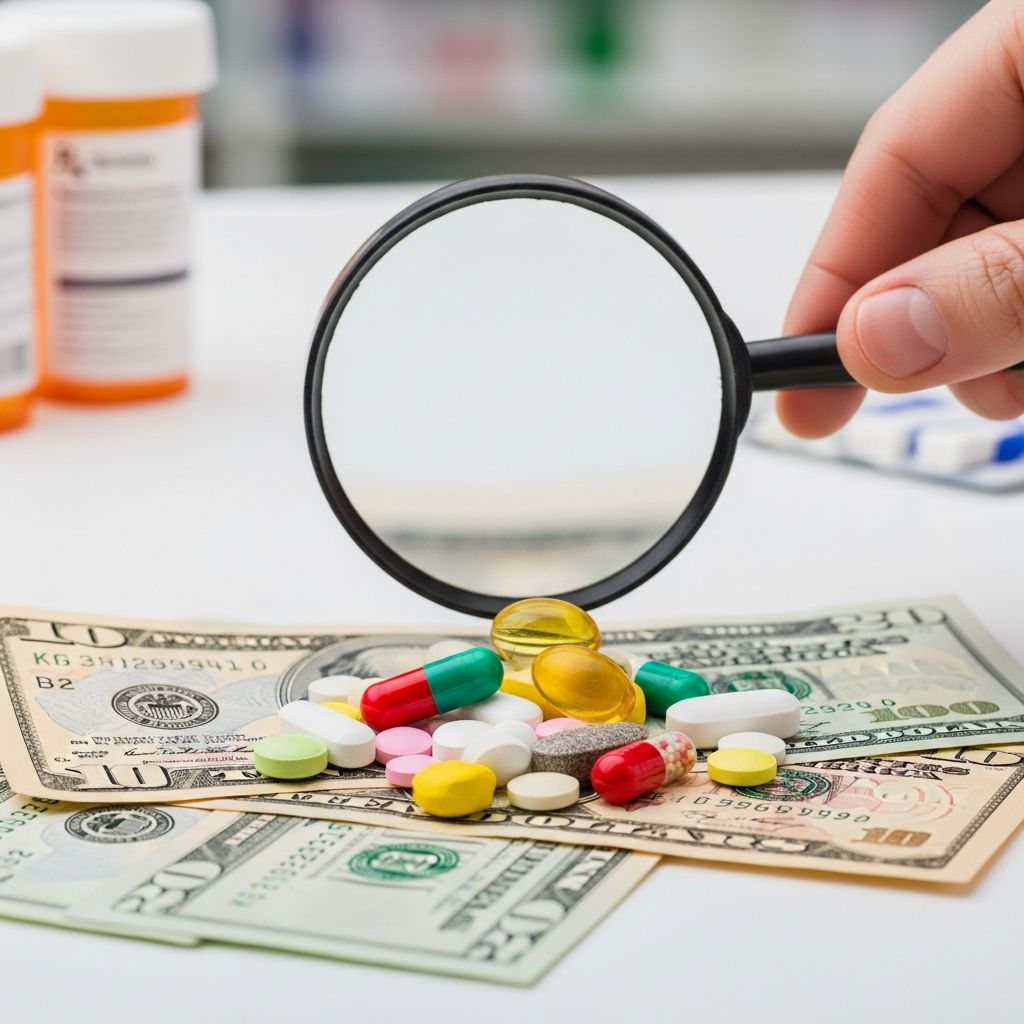
Prescription drug costs continue to rise, leaving many Americans struggling to afford the medications they need. Whether you’re managing a chronic condition or need short-term treatment, finding ways to reduce prescription expenses is essential for your financial health and wellbeing. Fortunately, numerous strategies and programs exist to help you access affordable prescriptions without sacrificing quality or effectiveness. This comprehensive guide explores proven methods to lower your medication costs and maintain your health within your budget.
Understanding Your Prescription Savings Options
Before exploring specific discount programs, it’s important to understand that multiple avenues exist for saving on prescriptions. From manufacturer assistance programs to pharmacy discount cards, from generic alternatives to mail-order options, you have more control over your medication expenses than you might realize. Many Americans don’t realize they’re paying full price when discounts are readily available, simply because they haven’t taken the time to investigate their options.
Use Pharmacy Discount Cards and Coupon Programs
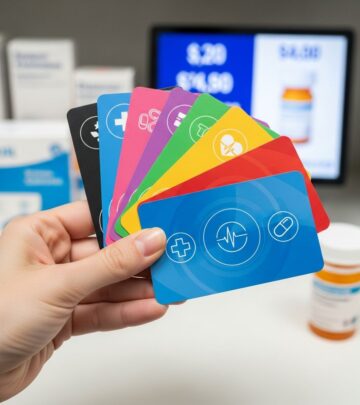
GoodRx stands out as one of the most popular and effective prescription discount services available today. This free platform provides coupons that can save you up to 80 percent off the list price of generic drugs at participating pharmacies. You can access GoodRx coupons through their website or mobile app, making it convenient to compare prices before visiting your pharmacy. For those who use prescriptions regularly, GoodRx Gold membership offers enhanced savings, providing access to more than 1,000 medications for less than $10 per prescription. Individual membership costs $10 monthly, while a $20 monthly family plan covers up to five additional members. As a bonus, GoodRx Gold members also receive telehealth doctor visits for as little as $19.
Beyond GoodRx, other discount programs and coupon services exist to help you find the lowest prices. Many manufacturers offer copay assistance coupons specifically for their branded drugs, though these typically require insurance coverage. You can locate these manufacturer discount programs through various online resources and discount card platforms.
Compare Pharmacy Discount Programs
Major pharmacy chains offer their own prescription savings programs designed to help customers without insurance or those seeking alternatives to their current coverage.
Walgreens Prescription Savings Club
The Walgreens Prescription Savings Club Program provides an affordable way to access generic medications. Members can fill prescriptions for hundreds of generic drugs at fixed prices: $7.50, $10, or $15 for a 30-day supply, or $15, $20, or $30 for a 90-day supply. No insurance is required to join. The membership costs just $20 annually for an individual or $35 for a family.
Walmart Prescription Program
Walmart’s Prescription Program eliminates membership fees entirely while offering significant savings. The free program makes dozens of drugs available for $4 for a month’s supply or $10 for a 90-day supply. This no-cost option is particularly valuable for budget-conscious consumers.
Supermarket Pharmacy Programs
Many supermarket chains including Kroger and H-E-B offer their own discounted generic drug programs. If you already shop at these stores, check with their pharmacy departments to learn about their specific discount offerings and savings potential.
Choose Generic Medications When Possible
Generic drugs represent one of the most reliable ways to reduce prescription costs significantly. The U.S. Food and Drug Administration approves generic medicines and confirms they are just as safe and effective as brand-name drugs, but generally cost substantially less. Generic medications contain the same active ingredients, quality, and purity as their brand-name counterparts. When your doctor prescribes a medication, ask whether a generic alternative is available. In most cases, switching to generics can cut your medication costs dramatically without compromising treatment effectiveness.
Explore Mail-Order and Online Pharmacies
Mail-order pharmacies offer significant cost savings for medications you take regularly. These services typically allow you to order a 90-day supply for less money than you would pay through multiple retail pharmacy visits. Many health insurance plans offer mail-order pharmacy services, and you may benefit from lower copays when using this option. If your insurance plan doesn’t provide mail-order service, you can search online for reputable mail-order pharmacies, though you should always verify that your health plan covers medications purchased through these services before ordering.
Beyond traditional mail-order services, various online pharmacy newcomers have emerged, including GeniusRx, Honeybee Health, Mark Cuban Cost Plus Drug, Ro Pharmacy, and ScriptCo Pharmacy. Many offer competitive pricing compared to traditional brick-and-mortar pharmacies. However, exercise caution when using online pharmacies and verify they are legitimate and properly licensed before providing personal or payment information.
Use Insurance Discount Networks
If you have health insurance, your insurer may offer prescription discount options beyond your standard copay structure. For example, if you have an Aetna health insurance plan, you can use the Aetna Rx Discount Pharmacy Card at participating pharmacies in the insurer’s network to get preferred rates. Similarly, if your drug coverage is through CVS/Caremark, you can access discounts on select generics when filling prescriptions at CVS pharmacies or through CVS.com. Check the information on the back of your insurance card or contact your insurer to learn about available pharmacy discount networks.
Try Pill Splitting When Appropriate
In some cases, pill splitting can provide significant savings. If your medication comes in a double dose that can be safely split, you can sometimes get two doses for the price of one. However, pill splitting is not appropriate for all medications. The FDA maintains a list of medicines that can be split safely, and approved pills will have a note in their “How Supplied” section and a line across the pill indicating where to split. You should only split one pill at a time and use both halves before splitting another. Always consult your doctor or pharmacist before attempting to split pills to ensure it’s safe for your specific medication.
Ask About Combination Pills
If you take multiple medications, combining them into a single pill can reduce your overall costs. Two separate drugs may mean two copays or two coinsurance charges. Ask your doctor or pharmacist whether your medications are available in combination form, which could reduce your out-of-pocket expenses while simplifying your medication routine.
Research Patient Assistance and Manufacturer Programs
Pharmaceutical companies often offer patient assistance programs for their medications, particularly for specialty drugs and branded medications. These programs may provide free or significantly discounted medications for individuals who meet certain income thresholds. Even some people without insurance may qualify for assistance through these programs. You can apply directly to drug companies for assistance with specific medications you’re taking. Additionally, resources like NeedyMeds can help you locate and complete paperwork for many manufacturer assistance programs.
The PAN Foundation offers FundFinder, a free web application that helps you find financial assistance for out-of-pocket prescription costs. This resource can connect you with available programs based on your specific medications and circumstances.
Consult Your Doctor About Alternatives
Your healthcare provider plays a crucial role in helping you manage prescription costs. Ask your doctor about less expensive alternatives to prescribed medications, including generic options. Discuss your budget concerns openly, as your doctor may have recommendations for equally effective medications that cost less. In some cases, your doctor may be able to prescribe a medication that’s covered at a lower tier in your insurance plan’s formulary, or suggest therapy options that provide better value.
Check Your Insurance Formulary
Your health insurance plan’s formulary is the list of preferred drugs covered by your plan. Reviewing your formulary may reveal lower-cost therapy options that work equally well for your condition. Many insurance plans tier medications by cost, with generic drugs usually in lower tiers requiring smaller copays. Working within your formulary when possible can significantly reduce your prescription expenses.
Buy in Bulk When Appropriate
Purchasing larger quantities of your regular medications can result in meaningful savings. If you take a medication long-term, ask your doctor to prescribe a 90-day supply rather than 30-day supplies. Like other products, buying in bulk typically reduces the per-dose cost. Many mail-order pharmacies specifically offer bulk purchasing options with reduced copays for customers who fill longer prescriptions.
Ask Your Local Pharmacy for Discounts
While large pharmacy chains have set cash prices, independent community pharmacies often have more flexibility with pricing. According to pharmacy professionals, local independent pharmacies can sometimes meet or even beat low prices offered by chains or online pharmacies—but you have to ask. If you have a trusted local pharmacy, inquire about their cash prices and whether they can match competitors’ rates. Building a relationship with a community pharmacist can also provide personalized advice about saving on your specific medications.
Consider Over-the-Counter Alternatives
For common ailments such as headaches, colds, or allergies, over-the-counter medications can provide a cheaper option compared to prescription medications. While OTC drugs aren’t appropriate for all conditions, discussing this option with your doctor or pharmacist may reveal situations where non-prescription alternatives could meet your healthcare needs at lower cost.
Focus on Prevention and Wellness
Beyond immediate cost-saving strategies, maintaining good health through diet and exercise can help prevent conditions that require prescription drugs altogether. Preventive care reduces your need for medications and associated costs while improving your overall quality of life. Taking steps to maintain health represents a long-term investment in both your wellbeing and your finances.
Compare Prices Before Filling Your Prescription
Prescription prices vary significantly between pharmacies and price comparison platforms. Before filling a prescription, especially if you don’t have a flat copay, shop around for the lowest available price. Some pharmacies substantially discount prescriptions to attract customers. Using price comparison tools available through many insurance plans or third-party platforms can reveal savings opportunities you might otherwise miss.
Frequently Asked Questions
Q: Do I need insurance to use GoodRx?
A: No, GoodRx is not insurance and doesn’t require you to have insurance coverage. The coupons work with or without insurance, and in many cases the GoodRx price is lower than your insurance copay.
Q: Are generic drugs as effective as brand-name medications?
A: Yes, the FDA approves generic medications and confirms they contain the same active ingredients, quality, and purity as brand-name drugs. They are equally safe and effective but typically cost significantly less.
Q: Can all pills be safely split?
A: No, not all medications can be safely split. Only pills marked in the “How Supplied” section as appropriate for splitting and those with a visible line indicating where to split should be divided. Always consult your pharmacist before splitting any medication.
Q: What should I know before using online pharmacies?
A: Verify that any online pharmacy is legitimate and properly licensed before providing personal or payment information. Check with your health plan to ensure medications purchased online will be covered before ordering.
Q: Do patient assistance programs have income limits?
A: Yes, most pharmaceutical company patient assistance programs have income thresholds that determine eligibility. Even some people without insurance may qualify, so it’s worth investigating programs for your specific medications.
Q: Can I use multiple savings methods together?
A: In many cases, yes. You can combine strategies like using generic medications, applying manufacturer coupons, utilizing pharmacy discount programs, and ordering 90-day supplies to maximize your total savings.
References
- 5 Ways to Save on Prescription Drugs — Consumer Reports. 2022. https://www.consumerreports.org/health/drug-prices/ways-to-save-on-prescription-drugs-a7095153319/
- Prescription Drug Discount Program — Humana. https://www.humana.com/pharmacy/tools/discount-drug-program
- 7 ways to cut medication costs — Mayo Clinic. https://www.mayoclinic.org/connected-care/7-ways-to-cut-medication-costs/vid-20508731
- 7 Ways to Save on Prescriptions — Serve You Rx. https://serveyourx.com/member_blog/7-ways-to-save-on-prescriptions/
- How to save money on medicines — MedlinePlus Medical Encyclopedia. https://medlineplus.gov/ency/patientinstructions/000863.htm
- Help with drug costs — Medicare. https://www.medicare.gov/basics/costs/help/drug-costs
- How to find financial assistance for your prescription medications — PAN Foundation. https://www.panfoundation.org/how-to-find-financial-assistance-for-your-prescription-medications/
Similar Articles








Read full bio of Sneha Tete