Direct Stafford Loans: Complete Guide To 2025 Rates And Limits
Discover the essentials of Direct Stafford Loans, from eligibility and types to repayment strategies for funding your education affordably.
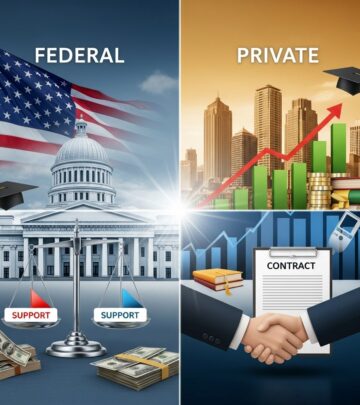
Federal Direct Stafford Loans provide low-interest financing directly from the U.S. Department of Education to help students cover educational expenses without involving private lenders.
Understanding the Basics of Federal Student Financing
These loans form a cornerstone of the William D. Ford Federal Direct Loan Program, designed specifically for undergraduate, graduate, and professional students pursuing eligible programs. Unlike private loans, they offer fixed interest rates, flexible repayment options, and protections like deferment during hardships. Funds disburse directly to schools, which apply them to tuition and fees before refunding any remainder to the borrower.
Key advantages include government backing, ensuring stability, and no credit check for most applicants, making them accessible regardless of financial history. Borrowers benefit from income-driven repayment plans and potential forgiveness after qualifying public service or payments.
Two Main Variants: Subsidized and Unsubsidized
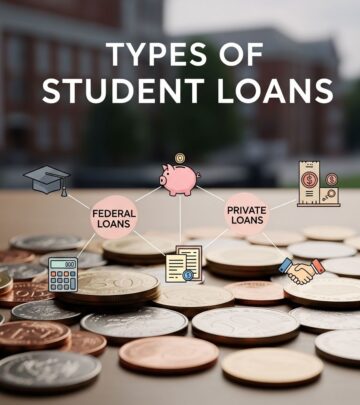
Direct Stafford Loans split into subsidized and unsubsidized categories, differing primarily in interest handling and eligibility criteria.
Subsidized Direct Stafford Loans
Available only to undergraduates demonstrating financial need, these loans pause interest accrual while the borrower is enrolled at least half-time (six credits), during the six-month grace period post-enrollment, and in deferment. The government covers this interest, reducing overall costs significantly.
- Ideal for low-income students minimizing debt growth.
- Subject to a 150% limit on eligibility duration for first-time borrowers after July 1, 2013, potentially ending subsidy if exceeded.
Unsubsidized Direct Stafford Loans
Open to all eligible students without need requirements, interest starts accruing immediately upon disbursement. Borrowers can pay it while in school to avoid capitalization, where unpaid interest adds to principal, increasing future payments.
- Available to undergraduates, graduates, and professionals.
- Higher borrowing flexibility but greater long-term expense if interest capitalizes.
Who Qualifies for These Loans?
Eligibility hinges on several federal criteria to ensure funds support genuine educational pursuits.
- Citizenship: U.S. citizen or eligible non-citizen.
- Enrollment: At least half-time in an eligible degree or certificate program.
- FAFSA Submission: Complete the Free Application for Federal Student Aid to determine need and award amounts.
- No Defaults: Not in default on prior federal loans or owing grant refunds.
- Other: Valid Selective Service registration (males), high school diploma or equivalent, and no exceeding lifetime limits.
Schools verify enrollment and certify loans based on cost of attendance minus other aid.
Borrowing Limits and Annual Caps
Federal regulations cap amounts to prevent overborrowing, varying by dependency status, year in school, and program level.
| Academic Year | Dependent Undergrad (Sub + Unsub) | Independent Undergrad (Sub + Unsub) | Graduate (Sub + Unsub) |
|---|---|---|---|
| First Year | $5,500 ($3,500 max sub) | $9,500 ($3,500 max sub) | $20,500 ($8,500 max sub) |
| Second Year | $6,500 ($4,500 max sub) | $10,500 ($4,500 max sub) | $20,500 ($8,500 max sub) |
| Third+ Year | $7,500 ($5,500 max sub) | $12,500 ($5,500 max sub) | N/A |
Aggregate limits reach $31,000 for dependent undergrads (no more than $23,000 subsidized) and $57,500 for independents (no more than $23,000 subsidized), with $138,500 for graduates. Actual awards consider school costs and other aid.
Step-by-Step Application Process
Securing a Direct Stafford Loan requires proactive steps through federal portals.
- File FAFSA: Submit annually at studentaid.gov to establish eligibility.
- Request Loan: Use school-specific forms or portals if not auto-awarded.
- Master Promissory Note (MPN): Sign electronically, promising repayment; valid for up to 10 loans over a decade.
- Entrance Counseling: Complete online session at studentaid.gov to understand obligations; mandatory for first-timers.
- Enrollment Verification: Maintain half-time status; schools disburse funds term-by-term.
First-time borrowers also complete financial awareness training.
Interest Rates and Origination Fees
Rates fix annually based on 10-year Treasury notes plus a statutory add-on, capped at 8.25% for undergrads and 9.5% for grads. For 2025-2026, undergrad rates stand at 6.39%. Loans carry a 1.057% origination fee, deducted from proceeds.
- New loans after July 1 use the updated rate.
- Subsidized rates match unsubsidized for the loan level.
Grace Period and Repayment Obligations
A standard six-month grace period delays principal payments after dropping below half-time, graduating, or withdrawing. Interest on unsubsidized loans accrues during this time unless paid.
Repayment plans include:
- Standard: 10 years, fixed payments starting at $50/month.
- Extended/Graduated: Up to 25 years for larger balances.
- Income-Driven: Caps at 10-20% of discretionary income, with forgiveness after 20-25 years.
Exit counseling is required upon leaving school, covering repayment details.
Strategies to Manage and Minimize Debt
Borrowers can optimize loans through careful planning.
- Pay unsubsidized interest in school to prevent capitalization.
- Compare total costs using federal loan simulators at studentaid.gov.
- Explore work-study or scholarships first to reduce borrowing needs.
- Monitor the 150% subsidized limit to avoid losing benefits.
Autopay discounts (0.25%) and Public Service Loan Forgiveness offer further relief.
Common Pitfalls and How to Avoid Them
Overborrowing leads to unmanageable debt; always calculate based on post-graduation salary projections. Failing entrance counseling blocks disbursement. Exceeding lifetime limits halts new loans.
| Pitfall | Consequence | Avoidance Tip |
|---|---|---|
| Ignoring Interest Accrual | Capitalized Debt Growth | Make In-School Payments |
| Missing Exit Counseling | Delayed Certification | Complete Before Graduation |
| Exceeding 150% Limit | Loss of Subsidy | Track Program Length |
Frequently Asked Questions
Can graduate students get subsidized Stafford Loans?
Yes, but limited; most graduate loans are unsubsidized with higher limits.
What if my parents can’t get a PLUS Loan?
Dependent students may qualify for independent limits.
Do I need a credit check?
No, for Direct Stafford; PLUS loans require one.
How soon must I start repaying?
Six months after grace period ends.
Are there penalties for early repayment?
No, federal loans allow prepayments without fees.
Planning Your Educational Funding Holistically
Integrate Direct Stafford Loans into a broader aid strategy, prioritizing grants and scholarships before loans. Regularly review your studentaid.gov dashboard for updates on awards, disbursements, and balances. Responsible borrowing empowers degree completion without crippling debt, setting a strong financial foundation post-graduation.
References
- Federal Direct Stafford Loan Program — Fashion Institute of Technology. 2025. https://www.fitnyc.edu/admissions/costs/financial-aid/educational-loans/federal-direct-stafford.php
- Federal Direct Stafford Loan Program — Bon Secours Memorial College of Nursing. Accessed 2026. https://www.bsmcon.edu/federal-direct-stafford-loan-program
- Borrower Eligibility for Stafford and PLUS Loans — U.S. Department of Education, FSA Partners. 2021-03-03. https://fsapartners.ed.gov/sites/default/files/2021-03/0304Vol8Ch2eligibleborrower.pdf
- Stafford Loans — Delta College. Accessed 2026. https://students.delta.edu/financial-aid/stafford-loans.html
- What is a Stafford Loan & How to Apply — Ascent Funding. Accessed 2026. https://www.ascentfunding.com/blog/what-is-a-stafford-loan/
- Subsidized and Unsubsidized Loans — Federal Student Aid. Accessed 2026. https://studentaid.gov/understand-aid/types/loans/subsidized-unsubsidized
Similar Articles








Read full bio of medha deb