Direct Marketing Basics: Strategy & Implementation Guide
Master direct marketing fundamentals: channels, strategies, and tactics for targeted customer engagement.
Understanding Direct Marketing Basics
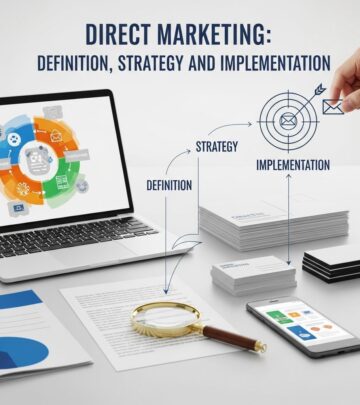
Direct marketing is a promotional strategy where companies communicate directly to a targeted consumer, typically to advertise a product, service, or idea. Unlike traditional mass marketing that casts a wide net, direct marketing establishes a personal relationship between the customer and the marketing organization by delivering customized messages to specific individuals based on their characteristics, behaviors, and preferences. This approach allows businesses to reach potential customers through various channels such as direct mail, email, texting, brochures, flyers, and other communication methods.
The primary goal of direct marketing is to initiate a response or action from the target audience, whether it involves making a purchase, requesting information, registering for a service, or visiting a physical store. By communicating directly and personally with their intended audience, businesses can modify their messaging and offers depending on client information and preferences, thereby increasing the likelihood of generating positive responses and conversions.
Key Advantages of Direct Marketing
Direct marketing offers numerous benefits that make it an attractive strategy for businesses of all sizes. Understanding these advantages can help organizations determine whether direct marketing is the right approach for their marketing objectives.
Measurable Results and ROI
One of the most significant advantages of direct marketing is its measurability. Companies can track response rates, conversions, and other key performance indicators with precision. Email marketing, for instance, allows organizations to monitor open rates and click-through rates, providing clear insights into campaign effectiveness. This data-driven approach enables businesses to calculate return on investment accurately and make informed decisions about future marketing investments.
Cost-Effectiveness
Direct marketing campaigns are often more cost-effective than traditional advertising methods. Email marketing is particularly inexpensive to create, design, and test, allowing organizations to communicate directly with existing and prospective customers who have opted in. Additionally, businesses can allocate resources more efficiently by focusing on prospects most likely to convert through lead-scoring practices.
Enhanced Customer Engagement
Direct marketing encourages active customer engagement by prompting recipients to take specific actions such as making purchases, filling out forms, or participating in surveys. This interaction deepens engagement levels and creates a sense of involvement and loyalty among customers. The personalized nature of direct marketing messages makes customers feel valued and understood.
Targeted Audience Reach
Direct marketing allows businesses to reach specific audience segments or target markets by utilizing customer data and segmentation. By tailoring messages and offers to suit the preferences and needs of individual customers or specific segments, companies increase the likelihood of generating positive responses and conversions. This targeted approach eliminates wasted marketing spend on audiences unlikely to be interested in the product or service.
Primary Direct Marketing Channels
Successful direct marketing campaigns utilize various channels to communicate with target audiences. Each channel has distinct characteristics and advantages that make it suitable for different marketing objectives and customer segments.
Email Marketing
Email marketing remains one of the most popular and effective direct marketing methods because it is relatively inexpensive and easy to implement. Businesses collect email addresses through website sign-ups, purchases, or customer registrations and send targeted promotional messages. Examples include monthly e-newsletters, special offer emails, product launch announcements, or personalized recommendations. Email marketing offers excellent scalability and allows businesses to communicate directly with both existing customers and prospective customers who have submitted their contact information or registered for a mailing list.
Direct Mail
Direct mail is the most recognizable form of direct marketing and involves sending physical promotional materials directly to a targeted audience’s mailbox. These materials can include catalogs, self-mailers, postcards, personalized letters, and brochures. Direct mail often includes information about recently launched products and services, news of upcoming sales, or special events. This channel allows businesses to reach a wide range of customers while personalizing messages to match individual preferences.
Telemarketing
Telemarketing involves making phone calls to customers or prospects to promote products, conduct surveys, gather feedback, or generate leads. This form of direct marketing requires trained sales representatives who engage in direct conversation with recipients. For optimal effectiveness, it is best to contact only those who match your customer profile, and to focus on business markets, as people typically prefer telemarketing calls at work rather than at home.
Social Media Marketing
Social media marketing enables brands to engage with their target audience on platforms such as Facebook, Instagram, Twitter, and LinkedIn. Businesses can study audience behavior to create targeted campaigns promoting products and services directly. Social media advertising allows companies to target specific audience segments, deliver personalized messages, and prompt immediate responses through targeted ads. This channel offers the advantage of reaching highly engaged users who have already demonstrated interest through platform interactions.
Mobile Marketing
Mobile marketing reaches consumers through SMS text messages, push notifications, and other mobile technologies. SMS marketing involves sending text messages to customers’ mobile devices and represents an effective way to deliver time-sensitive promotions, appointment reminders, or personalized offers directly to recipients. Push notifications through mobile applications allow businesses to send targeted messages to users’ smartphones or tablets, including personalized offers, updates, reminders, or relevant information to engage and prompt action.
Additional Direct Marketing Channels
Beyond the primary channels, businesses can leverage several other direct marketing approaches:
- Direct Response Television (DRTV): Television commercials with clear calls-to-action encouraging viewers to make immediate purchases or request information. DRTV ads often include a unique phone number or URL for tracking responses.
- In-Store Marketing: Using ads, displays, or promotional items to speak with customers directly inside physical establishments. This may involve promoting special deals, providing information about loyalty programs, or showing customized product recommendations.
- Direct Sales: Selling to customers face-to-face through sales representatives or consultants who visit them in their homes, places of business, or at public gatherings. This approach enables in-person presentations, product trials, and immediate purchases.
- Direct Response Print Ads: Print advertisements in newspapers or magazines that include direct response mechanisms such as coupons, response cards, or unique phone numbers.
- Interactive Marketing: Engaging customers through interactive digital experiences that encourage participation and feedback.
Direct Marketing Strategies for Success
Implementing effective direct marketing requires strategic planning and execution. The following strategies can help maximize campaign effectiveness and achieve desired marketing objectives.
Customer Segmentation
Customer segmentation involves dividing the target market into groups based on age, income level, culture, behaviors, preferences, or other relevant factors. The target audience should be grouped based on certain attributes or behaviors to enable neat and direct communication, as different segments respond differently to different messages or offers. This strategic segmentation ensures that marketing messages are highly relevant to each audience segment, increasing response rates and conversion likelihood.
Personalization
Personalization involves tailoring marketing messages, offers, and content using customer data. By personalizing communication, businesses demonstrate that they understand their customers’ specific needs and preferences. Personalized direct mail campaigns, customized email recommendations, or individualized offers significantly improve engagement rates compared to generic messaging. This approach creates a stronger sense of connection between the customer and the brand.
Multi-Channel Approach
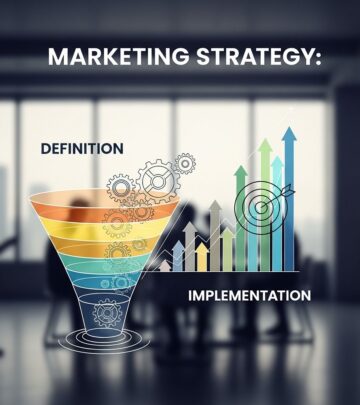
A multi-channel approach involves using several marketing mediums such as email, direct mailers, social media, and telemarketing for an integrated campaign. By reaching customers across multiple touchpoints, businesses increase the likelihood of capturing attention and driving desired actions. This strategy ensures consistent messaging across channels while allowing flexibility in tailoring communication to each platform’s strengths.
Data Analytics and Insights
Data analytics is crucial for understanding customer behaviors, preferences, and responses to marketing campaigns. By analyzing data from various sources, businesses can identify patterns, understand customer preferences, and determine which marketing strategies and channels are most effective. Data analysis allows businesses to make informed decisions and fine-tune their targeting strategies while optimizing future direct marketing campaigns for improved results.
Lead Scoring
Lead scoring involves concentrating on prospects that are most likely to convert by scoring leads based on their behavior and interactions. This practice helps businesses use resources judiciously by prioritizing high-quality leads and allocating resources optimally. By focusing marketing efforts on prospects with the highest conversion probability, companies maximize efficiency and improve overall campaign return on investment.
Channel Selection
The selection of direct marketing channels depends primarily on the nature of the campaign and target audience preferences. Different audiences respond to different channels, and campaign objectives may favor specific communication methods. Understanding which channels your target audience prefers and which channels best support your marketing objectives is essential for campaign success.
Practical Direct Marketing Examples
Understanding real-world applications of direct marketing helps illustrate how various channels and strategies work in practice:
- Email Campaigns: Personalized promotional emails or newsletters sent to a list of subscribers promoting products or providing valuable content.
- Direct Mail Catalogs: Sending comprehensive product catalogs or personalized letters to a targeted list of customers with special offers.
- Telemarketing Outreach: Making phone calls to potential customers to promote products, services, or special promotions with trained representatives.
- Social Media Ads: Running targeted campaigns on social media platforms to reach specific demographic or interest-based audience segments.
- SMS Promotions: Sending targeted promotional messages via text to opted-in customers with time-sensitive offers or announcements.
- Coupon Distribution: Distributing coupons through various channels such as newspapers, magazines, online platforms, or in-store to incentivize purchases.
- Event Marketing: Hosting or sponsoring events to engage with target audiences directly and create memorable brand experiences.
- Personalized Online Advertising: Displaying targeted ads to specific individuals based on their online behavior, preferences, or demographics.
Comparison of Direct Marketing Channels
| Channel | Cost-Effectiveness | Reach | Personalization | Measurability |
|---|---|---|---|---|
| Email Marketing | Very High | High | Very High | Excellent |
| Direct Mail | Moderate | Very High | Very High | Good |
| Telemarketing | Moderate | Limited | Very High | Good |
| Social Media Ads | High | Very High | High | Excellent |
| SMS Marketing | Very High | High | High | Excellent |
Frequently Asked Questions About Direct Marketing
Q: What is the primary goal of direct marketing?
A: The primary goal of direct marketing is to initiate a response or action from the target audience, whether it involves making a purchase, requesting information, registering for a service, or visiting a physical store. Direct marketing aims to establish a direct and personal relationship between the customer and the organization.
Q: How is direct marketing different from traditional mass marketing?
A: Direct marketing targets specific individuals or segments with personalized messages based on their characteristics and behaviors, whereas traditional mass marketing casts a wide net with generic messages to broad audiences. Direct marketing typically results in higher engagement and conversion rates due to its targeted and personalized approach.
Q: Which direct marketing channel is most cost-effective?
A: Email marketing and SMS marketing are generally the most cost-effective direct marketing channels because they require minimal production and distribution costs compared to direct mail or telemarketing. However, the most effective channel depends on your specific target audience and campaign objectives.
Q: How can businesses measure the success of direct marketing campaigns?
A: Direct marketing success can be measured through various metrics including response rates, conversion rates, click-through rates, customer acquisition cost, return on investment, and customer lifetime value. Email and digital channels provide particularly detailed analytics and tracking capabilities.
Q: What is customer segmentation, and why is it important in direct marketing?
A: Customer segmentation involves dividing the target market into groups based on demographic, behavioral, or psychographic characteristics. It is important because different customer segments respond differently to different messages and offers, allowing marketers to create more relevant and effective campaigns.
Q: How does personalization improve direct marketing effectiveness?
A: Personalization tailors marketing messages and offers to individual customer preferences and behaviors. When customers receive messages that speak directly to their interests and needs, they are more likely to engage with the content and take desired actions, resulting in higher conversion rates and customer loyalty.
Q: What is lead scoring, and how does it benefit direct marketing efforts?
A: Lead scoring involves ranking prospects based on their likelihood to convert into customers. This benefits direct marketing by allowing businesses to prioritize high-quality leads, allocate resources more efficiently, and focus marketing efforts on prospects most likely to make purchases.
Q: Can direct marketing be combined with other marketing strategies?
A: Yes, direct marketing works well as part of an integrated marketing approach. Combining direct marketing with content marketing, social media marketing, and other strategies creates a comprehensive marketing plan that reaches customers at multiple touchpoints and reinforces consistent messaging.
References
- What Is Direct Marketing? Definition, Examples, and Guide — Shopify. Accessed November 2025. https://www.shopify.com/blog/what-is-direct-marketing
- Direct Marketing: Meaning, Working, Types and Examples — GeeksforGeeks. Accessed November 2025. https://www.geeksforgeeks.org/marketing/direct-marketing-meaning-working-types-and-examples/
- Direct Marketing Explained: Definition, Types, and Benefits — Falkon SMS. Accessed November 2025. https://www.falkonsms.com/post/direct-marketing
- Types of Direct Marketing: Guide for Beginners — United GMG. Accessed November 2025. https://www.unitedgmg.com/beginners-guide-types-direct-marketing/
- What is Direct Marketing: Definition and Examples — Directive Consulting. Accessed November 2025. https://directiveconsulting.com/resources/glossary/direct-marketing/
- What Is Direct Marketing? Examples and Modern Strategies — Stack Influence. Accessed November 2025. https://stackinfluence.com/what-is-direct-marketing-examples-strategies/
- Direct Marketing (The Basics + Benefits) — G2. Accessed November 2025. https://learn.g2.com/direct-marketing
- Direct Marketing: What It Is and How to Get Started — Coursera. Accessed November 2025. https://www.coursera.org/articles/direct-marketing
Similar Articles








Read full bio of Sneha Tete