Direct Deposit Essentials: Guide To Setup, Benefits, Safety
Unlock the power of direct deposit: faster payments, enhanced security, and effortless money management for paychecks, refunds, and benefits.

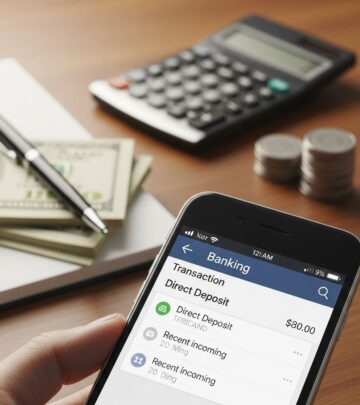
Direct deposit represents a cornerstone of modern financial transactions, enabling seamless electronic transfers of funds directly into bank accounts. This method eliminates the hassles of paper checks, providing quicker access to money for payroll, government benefits, and more.
Understanding the Fundamentals of Electronic Fund Transfers
At its core, direct deposit facilitates the movement of money from a payer—such as an employer or government entity—to a recipient’s bank account without physical instruments. Funds are routed through secure networks like the Automated Clearing House (ACH) in the United States, ensuring reliability and speed.
This system processes billions of transactions annually, handling everything from salaries to tax refunds. Unlike traditional checks that require manual endorsement and clearing periods, electronic deposits credit accounts almost immediately, often by the morning of the payment date.
The Step-by-Step Mechanics Behind Direct Deposits
The process unfolds in a structured sequence designed for efficiency. First, the payer initiates the transaction by submitting payment instructions to their financial institution, typically a few days before the due date.
Next, the banks involved verify account details through the ACH network, which batches and processes transfers in secure batches throughout the day. Funds are then debited from the sender’s account and credited to the recipient’s, making them available for use without delay.
| Phase | Description | Typical Timeline |
|---|---|---|
| Initiation | Payer submits details to their bank | 2-5 business days prior |
| Verification & Processing | ACH network checks and routes funds | Same or next business day |
| Crediting | Funds appear in recipient’s account | Payday morning or earlier |
| Availability | Money ready for withdrawal or use | Immediate upon credit |
This timeline highlights why direct deposit outperforms checks, which can take days to clear due to interbank verification.
Gathering Essential Information for Setup
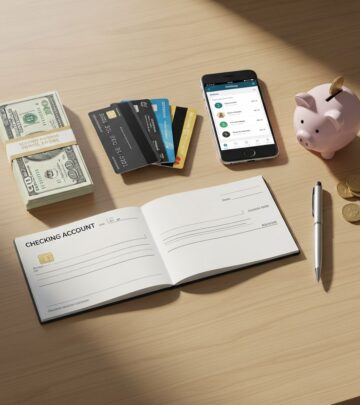
To enable direct deposit, individuals must provide precise banking details. Key requirements include the nine-digit routing number, which identifies the financial institution, and the full account number for the checking or savings destination.
- Routing Number: Found at the bottom left of a check or via online banking portals; starts with 0, 1, 2, or 3 for U.S. banks.
- Account Number: Unique identifier for the specific account, located after the routing number on checks.
- Account Type: Specify checking for daily access or savings for growth.
- Personal Verification: Name, address, and sometimes SSN for employer forms.
Accuracy is critical; errors can delay funds or cause rejections. Most banks offer tools to retrieve this data securely online.
Navigating the Enrollment Process
Setting up direct deposit varies by payer but follows a straightforward path. Employees typically complete a form from their HR or payroll department, entering banking info and submitting it digitally or in person.
For government payments like Social Security or tax refunds, registration occurs via official portals such as the U.S. Treasury’s site or agency websites. Businesses handling payroll instruct their banks to route payments through ACH, often integrating with software for automation.
Verification steps confirm details, preventing fraud. Once enrolled, subsequent payments process automatically, with options to split deposits across multiple accounts.
Key Advantages Driving Widespread Adoption
Direct deposit’s popularity stems from tangible benefits that enhance financial well-being. Security tops the list: electronic transfers reduce risks of loss, theft, or forgery associated with paper checks.
- Speed: Funds available sooner, sometimes up to two days early with certain banks.
- Convenience: No trips to the bank; money lands automatically.
- Cost Savings: Employers save on printing and mailing checks; individuals avoid deposit fees.
- Bank Perks: Waived fees, higher yields, or early access for direct deposit users.
These features make it ideal for recurring income streams, promoting better cash flow management.
Broad Applications Across Payment Types
Beyond payroll, direct deposit supports diverse transactions. Tax refunds from the IRS arrive swiftly via this method, as do Social Security, pensions, and other federal benefits.
Freelancers and contractors can request it from clients, while investment dividends or insurance payouts often default to electronic delivery. Even prepaid cards qualify in some cases, offering flexibility.
Overcoming Common Hurdles and Mistakes
While reliable, setup pitfalls exist. Double-check routing and account numbers to avoid bounces. New accounts may face a brief hold period for verification.
International transfers might use SWIFT instead of ACH, incurring fees or delays—opt for local networks when possible. If issues arise, contact your bank or payer promptly; most resolve within days.
Maximizing Benefits with Strategic Use
Advanced users leverage direct deposit for automated finance. Allocate portions to savings, investments, or debt payments via split deposits, fostering disciplined habits without effort.
Pair it with high-yield accounts to earn more on idle funds. Monitor for early direct deposit programs that advance paychecks based on ACH previews, bridging cash gaps.
Frequently Asked Questions
What if my direct deposit arrives late?
Delays stem from payer processing, holidays, or errors. Funds typically post within 1-2 business days; track via bank apps.
Can I use direct deposit for multiple banks?
Yes, split percentages or fixed amounts across accounts for savings automation.
Is direct deposit safe from fraud?
ACH encryption and verification minimize risks, far surpassing checks.
How do I cancel or change direct deposit?
Notify your payer and bank in writing; updates take 1-2 pay cycles.
Does direct deposit work for gig economy payments?
Many platforms like Upwork or DoorDash support it for instant payouts.
Future Trends in Electronic Payments
Direct deposit evolves with fintech, incorporating real-time payments via RTP networks and blockchain for cross-border speed. Banks increasingly offer previews and instant access, redefining payday.
Adopting these innovations ensures users stay ahead in a cashless economy.
References
- How Direct Deposit Works and How to Set It Up — Associated Bank. 2023. https://www.associatedbank.com/education/articles/personal-finance/banking-basics/how-direct-deposit-works-and-how-to-set-it-up
- What is a Direct Deposit: How it Works & Benefits — Airwallex US. 2023. https://www.airwallex.com/us/blog/what-is-a-direct-deposit
- What is direct deposit? How it works and other FAQs — Citizens Bank. 2023. https://www.citizensbank.com/learning/what-is-direct-deposit.aspx
- What Is Direct Deposit? — Bankrate. 2023-10-01. https://www.bankrate.com/banking/what-is-direct-deposit/
- Direct Deposit (Electronic Funds Transfer) – General FAQ — U.S. Department of the Treasury. 2024. https://www.fiscal.treasury.gov/eft/faq-general.html
- The ABCs of ACH — Nacha. 2024. https://www.nacha.org/content/abcs-ach
Similar Articles








Read full bio of medha deb