Direct Deposit: Definition, Benefits, and Setup Guide
Complete guide to direct deposit: How automatic payment transfers work and why you should use it.

What Is Direct Deposit?
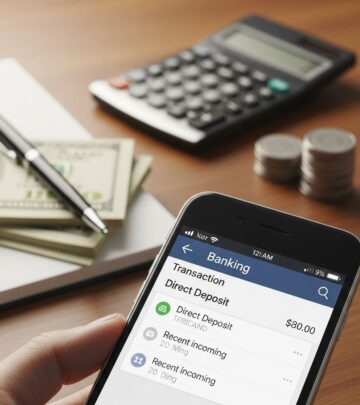
Direct deposit is an electronic transfer of payment, typically a paycheck or government benefit, directly into a bank account without the need for physical paper checks. This automated banking service allows employers, government agencies, and other organizations to deposit funds electronically into employee or beneficiary bank accounts on a predetermined schedule. Instead of receiving a paper check that must be deposited manually, funds are automatically transferred to your designated bank account, usually on payday.
Direct deposit has become the standard method for wage payment in many developed countries. According to the Federal Reserve, the majority of American workers now receive their paychecks through direct deposit, making it one of the most prevalent payment methods in the United States and beyond.
How Direct Deposit Works
The direct deposit process involves several key steps and parties working together to ensure funds are transferred efficiently and securely:
- Authorization: An employee provides their employer with banking information, including their bank account number and routing number. This authorization typically requires signing a form that allows the employer to initiate electronic transfers.
- Submission: On the scheduled payday, the employer’s payroll department submits deposit information to their bank or payroll processor, including employee account details and payment amounts.
- ACH Transfer: The employer’s bank uses the Automated Clearing House (ACH) network to process the electronic payment. The ACH network is a secured system that facilitates electronic transfers between financial institutions.
- Verification: The receiving bank verifies the account information and confirms that the account is active and valid.
- Deposit: The funds are deposited into the employee’s designated bank account, typically appearing within one to two business days.
- Confirmation: Both the employer and employee receive confirmation of the transfer through their respective banking records and statements.
Benefits of Direct Deposit
Direct deposit offers numerous advantages for both employees and employers, making it an attractive payment method for modern workplaces:
Benefits for Employees
- Convenience: Employees no longer need to visit their bank to deposit checks or worry about lost or damaged checks.
- Speed: Funds are typically available within one to two business days, allowing faster access to wages.
- Security: Direct deposit eliminates the risk of checks being lost, stolen, or forged.
- Automatic Payment: Recurring bills and savings transfers can be set to occur automatically after payday, promoting better financial management.
- Record Keeping: Digital records make it easier to track income and maintain financial documentation for tax purposes.
- No Fees: Most direct deposits are free of charge for employees, unlike some check-cashing services that may impose fees.
- Remote Access: Employees can access their funds immediately from any location with banking access, supporting remote work arrangements.
Benefits for Employers
- Cost Reduction: Employers save money on check printing, processing, and distribution costs.
- Administrative Efficiency: Payroll processing becomes more streamlined and automated, reducing administrative burden.
- Reduced Errors: Electronic processing minimizes manual entry errors and discrepancies.
- Employee Satisfaction: Offering direct deposit can improve employee satisfaction and retention by providing a modern, convenient payment method.
- Faster Processing: Payroll cycles can be processed more quickly with automatic transfers.
- Compliance: Direct deposit helps employers maintain better payroll records and ensures regulatory compliance.
- Environmental Benefits: Reducing paper check usage contributes to environmental sustainability efforts.
Types of Direct Deposit
Direct deposit is used for various types of payments beyond regular wages:
- Paycheck Deposits: The most common use of direct deposit, for regular employee wages and salaries.
- Government Benefits: Social Security, unemployment benefits, tax refunds, and other government payments can be deposited directly.
- Contractor Payments: Freelancers and independent contractors may receive payments via direct deposit.
- Dividend and Interest Payments: Investment accounts and savings may distribute earnings through direct deposit.
- Vendor Payments: Businesses may use direct deposit to pay vendors and suppliers.
- Bonus and Commission Payments: Performance-based payments can be automatically deposited.
Setting Up Direct Deposit
Establishing direct deposit is a straightforward process that typically involves a few simple steps:
Step-by-Step Setup Process
- Gather Banking Information: Obtain your bank account number and routing number from your bank statement or by contacting your financial institution directly.
- Complete Direct Deposit Form: Obtain the direct deposit authorization form from your employer’s human resources or payroll department.
- Provide Account Details: Enter your bank account number and routing number on the form, and specify whether it is a checking or savings account.
- Verify Information: Double-check all information for accuracy before submitting, as incorrect account details can delay deposits.
- Submit Form: Return the completed form to your payroll department or human resources office.
- Confirmation: Wait for confirmation that your direct deposit has been set up, which may take one to two pay periods.
- Monitor First Deposit: Verify that your first direct deposited paycheck arrives correctly to ensure the setup was successful.
Direct Deposit Security and Risks
While direct deposit is generally safe and secure, it is important to be aware of potential risks and take appropriate precautions:
Security Measures
- The ACH network employs encryption and authentication protocols to protect sensitive information.
- Banks are required to comply with Federal Deposit Insurance Corporation (FDIC) standards and other regulatory requirements.
- Account verification processes help prevent fraudulent transactions.
Potential Risks
- Unauthorized Access: If account credentials are compromised, unauthorized users could modify direct deposit information.
- Identity Theft: Personal banking information could be stolen if not properly secured.
- Delayed Deposits: System errors or routing issues could result in delayed fund transfers.
- Account Fraud: Fraudsters may attempt to redirect direct deposits to their own accounts.
Protective Steps
- Use strong, unique passwords for banking accounts.
- Monitor bank statements regularly for unauthorized transactions.
- Only provide banking information to trusted employers and verified sources.
- Enable two-factor authentication on banking accounts when available.
- Report any suspicious activity to your bank immediately.
Direct Deposit vs. Paper Checks
| Feature | Direct Deposit | Paper Checks |
|---|---|---|
| Processing Time | 1-2 business days | 3-5 business days or longer |
| Security | Highly secure, no physical check to lose | Risk of loss, theft, or forgery |
| Convenience | Automatic deposit, no action required | Manual deposit required |
| Cost | Generally free for employees | Printing and processing costs |
| Accessibility | Immediate access to funds online | Physical check required for access |
| Record Keeping | Digital records easily maintained | Physical checks must be stored |
| Environmental Impact | No paper waste | Uses paper resources |
Frequently Asked Questions
Q: Is direct deposit mandatory at my job?
A: While many employers prefer or require direct deposit, the specific requirements vary by company and state. Some employers still offer paper checks as an option. Check your company’s payroll policies for details.
Q: Can I have my paycheck split between multiple accounts?
A: Yes, many employers offer split deposit options that allow you to distribute your paycheck among multiple accounts. This is useful for automatically dividing funds between checking and savings accounts.
Q: What happens if I provide incorrect banking information?
A: If you provide incorrect account details, the funds may be deposited to the wrong account or rejected by the bank. Contact your payroll department immediately to correct the information and potentially recover the funds.
Q: How long does it take to set up direct deposit?
A: Setup typically takes a few days to one week. However, it may take one to two pay periods before the first direct deposit actually appears in your account as your employer processes the change.
Q: Can I cancel direct deposit and switch back to checks?
A: Yes, you can usually cancel direct deposit and return to paper checks by submitting a request to your payroll department. The change will typically take effect within one to two pay periods.
Q: Is my money protected if there’s a bank failure?
A: Funds deposited through direct deposit are protected by FDIC insurance up to $250,000 per account holder at member banks, providing protection in the event of bank failure.
Q: Can I receive direct deposits from multiple employers?
A: Yes, you can set up direct deposit with multiple employers simultaneously. Each employer can deposit their portion of your income into your designated account.
Q: What is the difference between ACH and direct deposit?
A: Direct deposit is a specific application of ACH technology. ACH is the broader electronic network that facilitates all types of electronic transfers, while direct deposit refers specifically to deposits of funds into an account.
Conclusion
Direct deposit has transformed the way wages and benefits are distributed, offering significant advantages for both employees and employers. By providing faster, more secure, and more convenient payment methods, direct deposit has become the preferred payment method for millions of workers worldwide. Understanding how direct deposit works, its benefits, and how to set it up properly can help you take full advantage of this modern banking service. Whether you are receiving your first paycheck or managing multiple income streams, direct deposit simplifies financial management and provides peace of mind regarding payment delivery.
References
- Basics of the ACH Network — Federal Reserve. 2024. https://www.federalreserve.gov/paymentsystems/ach_about.htm
- FDIC: Deposit Insurance Coverage — Federal Deposit Insurance Corporation. 2024. https://www.fdic.gov/resources/deposit-insurance/
- Electronic Fund Transfers (Regulation E) — Consumer Financial Protection Bureau. 2024. https://www.consumerfinance.gov/rules-policy/regulations/1005/
- Direct Deposit: Guide to Setting Up and Using It — U.S. Department of Labor. 2024. https://www.dol.gov/
- Payroll and Wage Payment Methods in the United States — Bureau of Labor Statistics. 2023. https://www.bls.gov/
Similar Articles








Read full bio of Sneha Tete