Digital Wallets: Secure or Risky?
Explore the robust security layers of digital wallets and essential tips to safeguard your funds in today's mobile payment era.
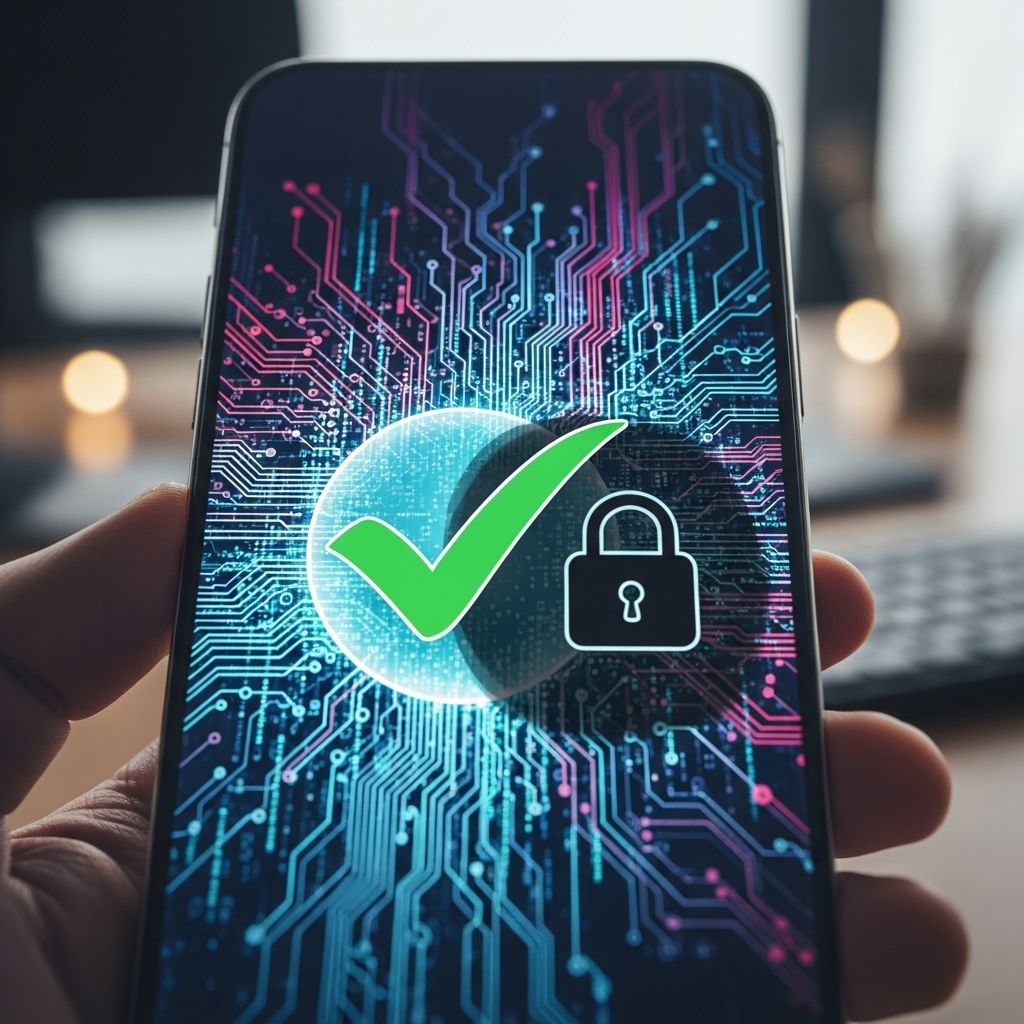
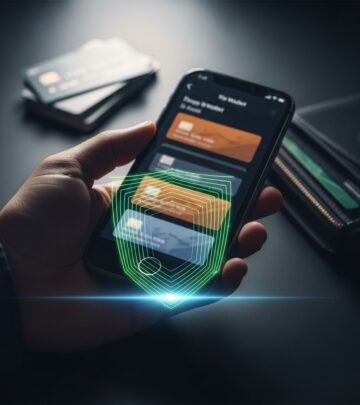
Digital wallets have transformed how people handle payments, allowing quick taps on smartphones or smartwatches instead of fumbling for cash or cards. These apps store payment details securely and enable contactless transactions via technologies like NFC. But with rising cyber threats, many wonder if this convenience compromises safety. This article examines the built-in protections, potential vulnerabilities, and strategies to ensure your money stays protected.
Understanding Digital Wallets and Their Core Mechanics
At their essence, digital wallets act as virtual repositories for financial information, including credit and debit cards, bank accounts, and even loyalty programs. Users set them up by linking accounts through secure apps from providers like Apple Pay, Google Pay, or Samsung Pay. Once configured, the wallet generates payments without exposing actual card numbers.
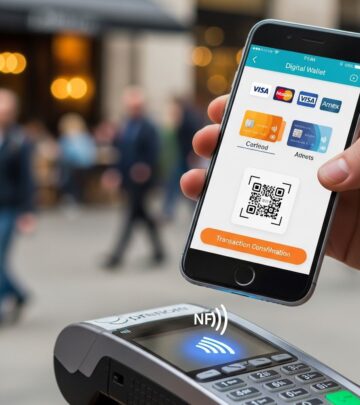
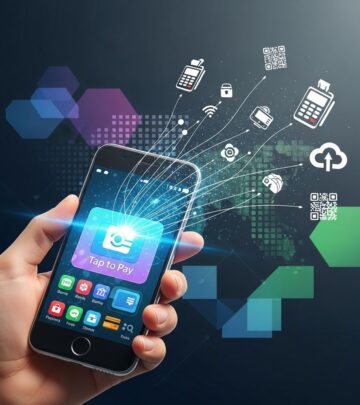
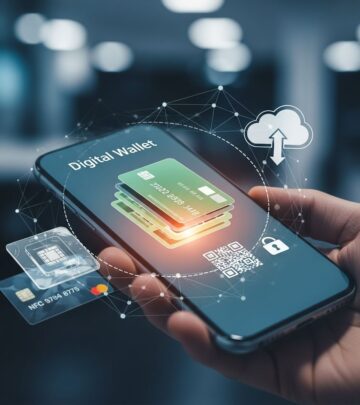
The process relies on near-field communication (NFC) for in-store purchases, where your device communicates with a merchant’s terminal over short distances. For online or app-based buys, QR codes or similar methods facilitate the exchange. Encryption wraps all data in protective layers, making interception difficult.
- Account Setup: Enter card details once; the app verifies via bank protocols.
- Transaction Flow: Device sends tokenized data, not real credentials.
- Post-Payment: Token expires, preventing reuse.
This setup prioritizes speed and security, reducing physical handling risks.
Key Security Technologies Powering Digital Wallets
Modern digital wallets employ multiple defenses that surpass traditional card security. Foremost is tokenization, where a unique, one-time code replaces your card number for each transaction. Merchants receive only this token, useless for future fraud if stolen.
Another pillar is encryption, scrambling data so it’s unreadable without keys. Combined with secure elements—isolated chips in devices—this keeps info safe even if the phone is compromised.
| Security Feature | Description | Benefit |
|---|---|---|
| Tokenization | Generates single-use codes | Prevents card data exposure |
| Encryption | Scrambles sensitive info | Protects against interception |
| Biometrics | Fingerprint or face scan | Ensures only authorized access |
| Sandboxing | Isolates wallet app | Blocks malware spread |
Biometric authentication adds a personal barrier, using unique physical traits that are hard to replicate. Sandboxing confines the wallet to its own environment, shielding it from other apps or viruses.
Comparing Digital Wallets to Traditional Payment Methods
Physical cards expose full numbers during swipes or dips, vulnerable to skimmers. Digital wallets avoid this by never sharing complete details. Studies show tokenized payments reduce fraud rates significantly compared to magnetic stripe transactions.
Remote management is a game-changer: lose your phone, and you can lock the wallet instantly from another device, halting unauthorized use. Traditional wallets offer no such recourse.
- Digital: Multi-layer verification per transaction.
- Physical: Relies on signature or PIN, easier to shoulder-surf.
Overall, data indicates digital methods are safer when properly managed.
Common Risks and How to Mitigate Them
No system is foolproof. Primary threats include device theft, malware, and unsecured networks. If a thief unlocks your phone, they could access linked cards—though biometrics and remote freeze mitigate this.
Public Wi-Fi poses interception risks; hackers can snoop on transmissions without encryption. Malware from shady apps might target wallets, but sandboxing limits damage.
To counter:
- Enable device locks with biometrics or strong PINs.
- Avoid public Wi-Fi for payments; use VPNs if necessary.
- Download apps only from official stores.
- Monitor statements regularly for anomalies.
Best Practices for Everyday Digital Wallet Users
Proactive habits amplify built-in security. Start with robust phone protection: always lock with biometrics, avoiding simple patterns. Update apps and OS promptly for latest patches.
Limit stored cards to essentials, and remove unused ones. Use virtual card numbers where available for extra shielding. For high-value transactions, confirm via secondary methods like SMS codes.
- Regular Audits: Review linked accounts monthly.
- Remote Controls: Familiarize with lock/freeze features.
- Phishing Awareness: Ignore suspicious links claiming wallet issues.
- Backup Plans: Enable find-my-device for lost phones.
These steps minimize exposure while maximizing utility.
Real-World Data on Digital Wallet Fraud Rates
Recent analyses reveal digital wallet fraud is lower than card-not-present schemes. Tokenization cuts breach impacts, as seen in retailer hacks where tokenized users remained unaffected. Banks report biometric confirmations block most unauthorized attempts.
Despite phishing rises, educated users face minimal losses. Projections for 2025 show continued security enhancements via AI fraud detection.
The Future of Secure Digital Payments
Emerging tech like advanced AI monitoring and quantum-resistant encryption promises even stronger defenses. Integration with wearables expands safe options. Regulators push standards, ensuring interoperability without safety trade-offs.
As adoption grows, expect refined features like real-time anomaly alerts and cross-device syncing with end-to-end encryption.
Frequently Asked Questions (FAQs)
What happens if I lose my phone with a digital wallet?
Use another device to remotely lock or erase the wallet via your provider’s app or website. Tokens prevent card misuse.
Are digital wallets safer than credit cards?
Yes, due to tokenization and biometrics, they offer superior protection against theft and skimming.
Can malware steal my wallet data?
Sandboxing isolates the app, but stick to trusted sources and updates to stay safe.
Should I use digital wallets on public Wi-Fi?
Avoid it; opt for cellular data or VPNs to encrypt transmissions.
How do I add a card securely?
Via official apps with bank verification; never enter details on suspicious sites.
References
- 4 Digital Wallet Security Features You Need to Know — SouthEast Bank. 2023. https://www.southeastbank.com/knowledge-hub/information-security/digital-payments/4-digital-wallet-security-features-you-need-know/
- What is a Digital Wallet and is it Safe? — Citizens Bank. 2024. https://www.citizensbank.com/learning/is-digital-wallet-safe.aspx
- How Does a Digital Wallet Work: Is it Safe in 2025? — Native Teams. 2025-01-15. https://nativeteams.com/blog/what-is-digital-wallet-and-how-does-it-work
- What is an eWallet? | Digital Wallet Security — Kaspersky. 2024. https://www.kaspersky.com/resource-center/threats/is-your-ewallet-safe
- Understanding Your Digital Wallet – and 6 Ways to Keep it Safe — Banner Bank. 2023. https://www.bannerbank.com/financial-resources/blog/understanding-digital-wallets
- Understanding Digital Wallets: Benefits and Security Measures — 1st Advantage Bank. 2025-02-19. https://www.1stadvantagebank.com/2025/02/19/understanding-digital-wallets-benefits-and-security-measures/
Similar Articles








Read full bio of medha deb