Digital Wallet: Definition, How It Works, Types
Complete guide to digital wallets: secure payment solutions for modern transactions.
What Is a Digital Wallet?
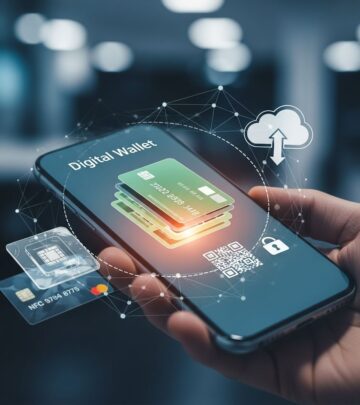
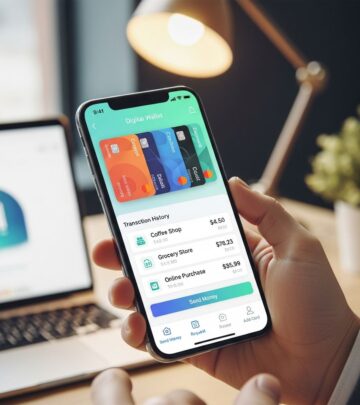
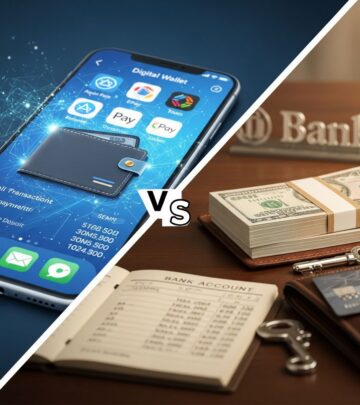
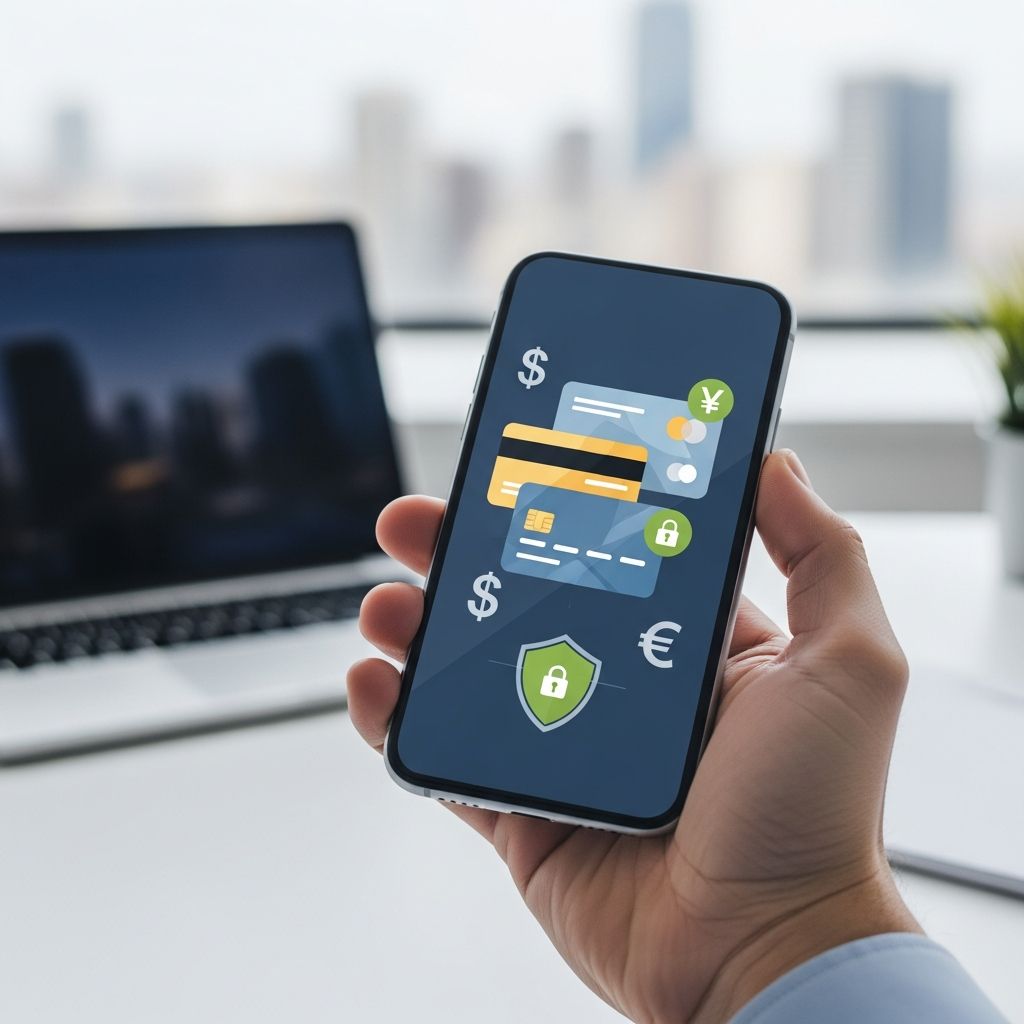
A digital wallet, also known as an e-wallet or mobile wallet, is a software application, electronic device, or online service that enables individuals and businesses to make electronic transactions securely. It functions as a virtual version of a traditional wallet, storing payment information, personal identification, and transaction history in an encrypted digital format. Rather than carrying physical cash or cards, users can make purchases and transfer funds using smartphones, computers, or wearable devices.
Digital wallets represent a fundamental shift in how consumers and businesses conduct financial transactions. They combine convenience, speed, and security in a mobile-first world where digital payments are increasingly becoming the norm. Whether shopping online, making contactless payments in-store, or sending money peer-to-peer, digital wallets provide a streamlined alternative to traditional payment methods.
What Information Can Digital Wallets Store?
Modern digital wallets are versatile storage systems capable of holding multiple types of personal and financial information:
– Credit and debit card details- Bank account information- Loyalty program points and rewards- Gift cards and digital coupons- Digital identification documents and tickets- Cryptocurrency private keys (in some cases)- Driver’s licenses and health insurance cards
This multi-purpose functionality makes digital wallets central hubs for managing various aspects of personal finance and identity in the digital age.
How Do Digital Wallets Work?
Digital wallets operate through a sophisticated technological process that prioritizes both security and speed. Understanding this process helps users appreciate the seamless experience they provide:
The Transaction Process
Step 1: Setup and Registration — Users download a digital wallet application and add their payment methods, such as credit cards, debit cards, bank accounts, or prepaid balances. This initial configuration secures their financial information within the encrypted system.
Step 2: Authentication — The wallet requires secure authentication before any transaction can proceed. This includes biometric verification (fingerprint or facial recognition), PIN entry, or password confirmation, ensuring only authorized users can access the wallet.
Step 3: Transaction Initiation — During checkout, whether online or in-store, the user selects the digital wallet as their payment method and authorizes the transaction through their chosen authentication method.
Step 4: Secure Transmission — The wallet securely transmits payment data to the merchant or payment processor without exposing actual card numbers. This step is where tokenization becomes crucial.
Step 5: Transaction Completion — The payment is processed in real-time, and the user receives confirmation. The entire process typically takes seconds, significantly faster than traditional payment methods.
Key Technologies Behind Digital Wallets
Tokenization: One of the most important security features in digital wallets is tokenization. This technology replaces sensitive card information with unique, transaction-specific codes or tokens. Instead of transmitting actual card numbers, the wallet sends these tokens, which cannot be used for subsequent transactions or reverse-engineered to reveal original card data.
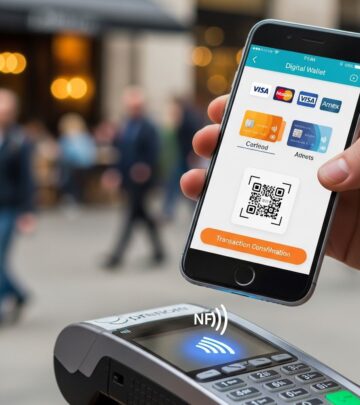
Near Field Communication (NFC): This wireless technology allows credentials to be passed from the wallet to a merchant’s terminal wirelessly, enabling contactless payments without physical contact.
End-to-End Encryption: All data transmitted between the user’s device and payment processors is encrypted, ensuring that intercepted information cannot be read by unauthorized parties.
Types of Digital Wallets
Digital wallets are not one-size-fits-all solutions. They come in various forms, each tailored to different platforms, payment ecosystems, and user needs:
Closed Wallets
Closed wallets are issued by individual companies for transactions exclusively with that company or brand. Users can only spend the funds stored in these wallets with the issuing merchant or within their ecosystem. Examples include the Starbucks mobile app, Amazon Pay, and Walmart Pay. These wallets are particularly popular for retail loyalty programs and brand-specific payments.
Semi-Closed Wallets
Semi-closed wallets allow purchases at selected merchants who have formal agreements with the wallet provider. While more flexible than closed wallets, they still restrict where funds can be used. These wallets cannot typically facilitate ATM withdrawals outside their merchant network. Amazon Pay and early versions of digital payment platforms like Paytm operate as semi-closed wallets.
Open Wallets
Open wallets, often issued by banks or developed in partnership with financial institutions, offer maximum flexibility. They work across card networks and banking systems, allowing users to make any type of transaction, including ATM withdrawals, peer-to-peer transfers, and online purchases at any merchant. Apple Pay, Google Pay, and Samsung Pay are prime examples of open wallets. These are the most universally accepted and versatile digital wallet options.
Cryptocurrency Wallets
Cryptocurrency wallets are specialized digital wallets designed to store, send, and receive digital assets like Bitcoin or Ethereum. They manage cryptographic keys that provide access to blockchain-based funds. Examples include MetaMask and Coinbase Wallet.
Mobile Money Wallets
Telecom-based mobile money wallets allow users to store, send, and withdraw funds using just a mobile number or USSD code. Popular in developing markets, platforms like M-Pesa and MTN Mobile Money enable financial inclusion for users without traditional banking access.
Security Features of Digital Wallets
While no system is completely immune to security threats, digital wallets employ multiple layers of protection that often exceed the security of physical cards or cash:
| Security Feature | How It Works | Benefit |
|---|---|---|
| Tokenization | Replaces sensitive card details with random, transaction-specific tokens | Card numbers are never exposed to merchants |
| Encryption | All transmitted data is encrypted end-to-end | Prevents interception and unauthorized access |
| Multi-Factor Authentication (MFA) | Combines passwords with biometrics or device verification | Requires multiple verification methods to access funds |
| Biometric Access | Uses fingerprint, facial recognition, or iris scanning | Only authorized users can authenticate transactions |
| Remote Wipe | Lost or stolen devices can be remotely disabled | Prevents unauthorized access to wallet data |
Advantages of Using Digital Wallets
Digital wallets offer substantial benefits for both consumers and merchants:
For Consumers
– Convenience: Faster, hassle-free payments without needing physical cards or cash- Security: Reduced risk of fraud and theft through encryption and tokenization- Speed: Near-instant transactions, both online and in-store- Budget Management: Many wallets include tools for tracking spending and managing finances- Contactless Payments: Ideal in hygiene-conscious settings and for mobile-first users- Loyalty Integration: Easily store and use reward points, coupons, and gift cards
For Businesses and Merchants
– Lower operational costs from handling less physical cash- Better customer engagement through integrated loyalty programs- Real-time insights into customer behavior and preferences- Access to new revenue streams from payment processing partnerships- Faster transaction settlement and reduced fraud-related chargebacks
Digital Wallet vs. Payment Gateway
Though often discussed together, digital wallets and payment gateways serve distinct purposes in the payment ecosystem and should not be confused:
| Aspect | Digital Wallet | Payment Gateway |
|---|---|---|
| Primary Purpose | Stores payment credentials and facilitates customer payments | Facilitates communication between merchants and financial institutions |
| Primary User | Used by customers/consumers | Used by merchants and businesses |
| Main Function | Makes payments | Processes and routes payments |
| Key Security Feature | Tokenization and multi-factor authentication | Fraud detection and data encryption |
| Example | Apple Pay, Google Pay, PayPal | Stripe, Square, Shopify Payments |
In simple terms: a digital wallet is a tool used to pay, while a payment gateway is a tool used to accept payments. Customers use wallets; merchants use gateways.
Popular Digital Wallet Examples
Several digital wallets have become globally recognized and widely adopted:
Apple Pay
An open wallet that stores credit cards, debit cards, and transit information. It uses tokenization and biometric authentication (Face ID or Touch ID) and is accepted at millions of merchants worldwide.
Google Pay
Google’s open wallet solution supporting credit cards, debit cards, loyalty programs, and transit passes. It uses tokenization and works across Android devices at compatible merchant terminals.
Samsung Pay
Samsung’s proprietary open wallet that uses magnetic secure transmission (MST) technology, allowing it to work at many traditional payment terminals that don’t support NFC.
PayPal
One of the earliest digital wallet providers, offering online payment capabilities, peer-to-peer transfers, and merchant payment processing on a global scale.
Amazon Pay
A closed wallet that uses customers’ Amazon accounts and stored payment information to simplify checkout at partner merchants and websites.
Mobile Money Platforms
Services like M-Pesa in Kenya and other telecom-based wallets provide financial services in regions with limited traditional banking infrastructure.
The Future of Digital Wallets
Digital wallets continue to evolve with emerging technologies and changing consumer behaviors. Key developments include:
– Biometric Innovation: Advanced facial recognition, iris scanning, and behavioral biometrics for enhanced security- AI-Driven Fraud Detection: Machine learning algorithms that identify suspicious patterns in real-time- Cryptocurrency Integration: Seamless support for digital assets and blockchain-based transactions- Cross-Border Payments: Simplified international money transfers with real-time currency conversion- IoT Compatibility: Integration with smart devices and wearables for ubiquitous payments
Frequently Asked Questions
Q: Are digital wallets safe to use?
A: Yes, digital wallets employ multiple security layers including tokenization, encryption, and biometric authentication. They are often more secure than carrying physical cards or cash, though users should maintain updated devices and use strong passwords.
Q: What happens if I lose my phone with a digital wallet?
A: Most digital wallets allow remote deactivation through your account settings or by contacting your bank. Additionally, biometric authentication ensures that a thief cannot access your wallet without your fingerprint or face.
Q: Can I use a digital wallet for all purchases?
A: Open wallets like Apple Pay and Google Pay work at most merchants with NFC terminals. Closed and semi-closed wallets work only with partner merchants. Online compatibility is nearly universal for most digital wallets.
Q: Do digital wallets work internationally?
A: Many open wallets work internationally, though acceptance depends on merchant infrastructure and card network support. Some wallets offer currency conversion features for easier cross-border transactions.
Q: Is there a fee for using digital wallets?
A: Most consumer-facing digital wallets are free to use. However, some may charge fees for currency conversion, peer-to-peer transfers, or premium features. Merchant fees are typically paid by retailers, not consumers.
Conclusion
Digital wallets have fundamentally transformed the landscape of financial transactions, combining speed, security, and convenience in a mobile-first world. Whether you’re shopping online, making contactless purchases, or transferring money to friends, digital wallets provide a streamlined and secure alternative to traditional payment methods. As technology continues to advance and consumer adoption accelerates, digital wallets will increasingly become the primary payment method globally. Understanding how they work, their security features, and which type best suits your needs is essential for participating confidently in the modern digital economy.
References
- What is a Digital Wallet? Definition & Types Explained — Sycurio. 2025. https://sycurio.com/knowledge/glossaries/digital-wallet-e-wallet
- What Is a Digital Wallet and How It Works? — SDK.finance. 2025. https://sdk.finance/blog/what-is-a-digital-wallet-and-how-it-works/
- Digital Wallet – Definition, How it Works, Types — Corporate Finance Institute. 2025. https://corporatefinanceinstitute.com/resources/cryptocurrency/digital-wallet/
- What is a Digital Wallet and is it Safe? — Citizens Bank. 2025. https://www.citizensbank.com/learning/is-digital-wallet-safe.aspx
- Looking Inside the Digital Wallet: The Future of Payments — University of Southern California Illumin. 2025. https://illumin.usc.edu/looking-inside-the-digital-wallet-the-future-of-payments/
Similar Articles








Read full bio of Sneha Tete