Understanding Digital Vehicle Damage Claims
Exploring the reliability and limitations of smartphone photo-based insurance estimates
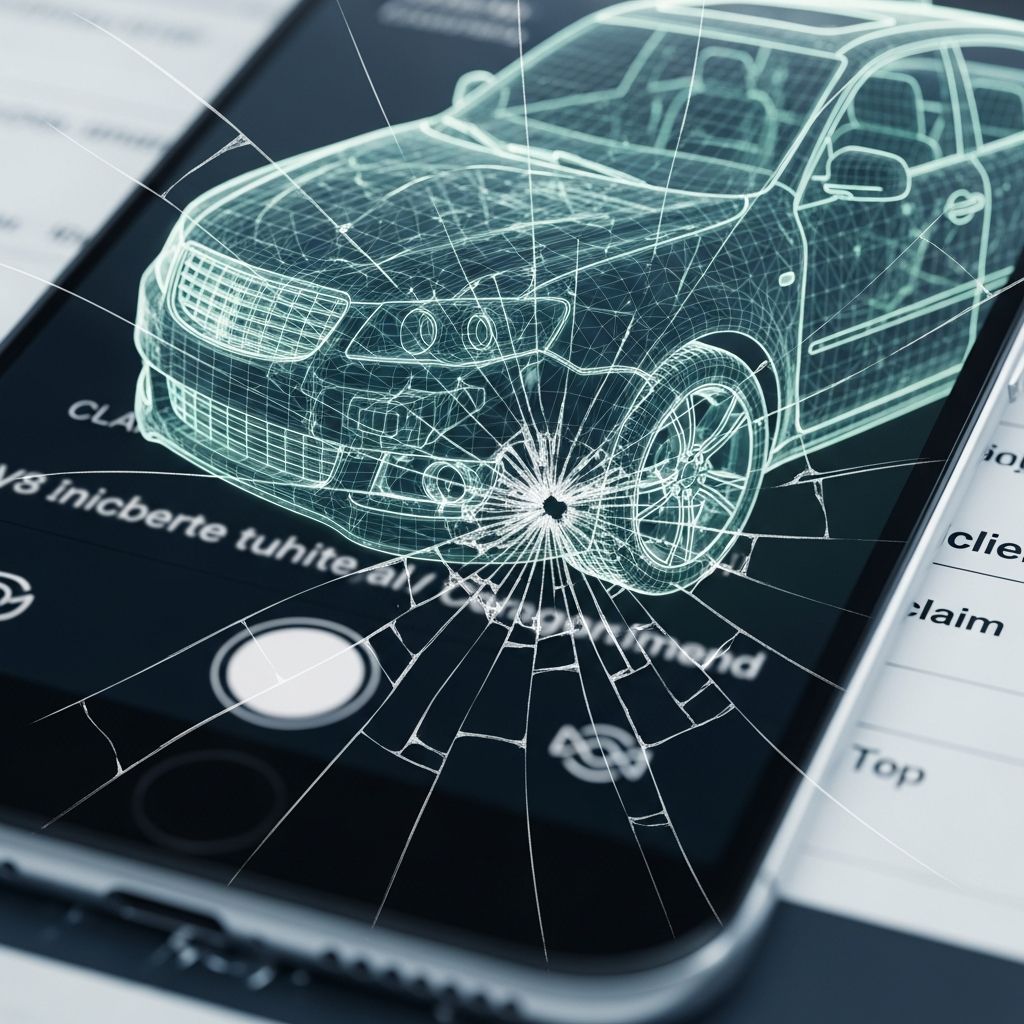
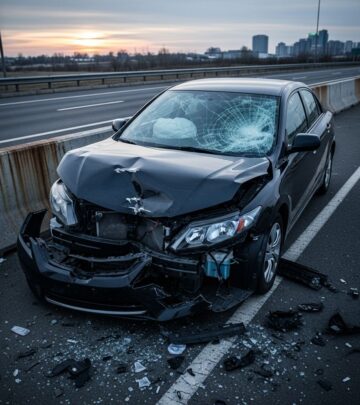
When you experience vehicle damage from an accident, the claims process has transformed dramatically over the past decade. Rather than waiting for an adjuster to visit your location, many insurance companies now offer a streamlined approach: photograph the damage with your smartphone, submit the images through a mobile application, and receive an estimate within hours. While this technological advancement promises convenience, significant questions remain about whether these digital assessments accurately capture the true scope of vehicle damage and whether drivers ultimately bear unexpected costs.
The Evolution of Damage Assessment Technology
The shift toward digital damage evaluation represents a fundamental change in how insurance companies process claims. Approximately 60% of automobile insurance estimates nationwide now rely on photographic submissions rather than traditional in-person inspections. This transition occurred because insurers discovered efficiency gains—adjusters working remotely could complete roughly 15 digital assessments daily compared to only four traditional field inspections. The economic appeal was undeniable, prompting widespread adoption across the industry.
However, this efficiency came with trade-offs that are only now becoming fully understood. The convenience of mobile photography masked underlying complications that emerge when vehicles arrive at repair facilities for actual restoration work.
How Mobile Assessment Systems Function
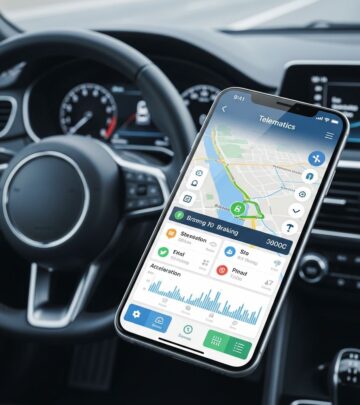
The process begins when a policyholder downloads their insurer’s designated application or accesses a claims portal. After documenting the incident, they photograph the visible damage from various angles. These images are then transmitted electronically to an appraiser who evaluates the damage without ever viewing the vehicle in person. Based on what appears in the photographs, the appraiser generates a repair cost estimate that specifies which components require replacement or repair and the associated labor costs.
The resulting estimate document typically accompanies the vehicle to a collision repair facility, authorizing the repair shop to proceed with work according to the appraiser’s assessment. This system assumes that what can be photographed represents all relevant damage requiring attention.
The Critical Gap Between Initial Assessments and Actual Repair Needs
A persistent problem has emerged from widespread photo-based estimation practices. Research indicates that initial digital estimates frequently underestimate actual repair requirements, necessitating supplemental assessments after work begins. Studies have documented that third-party digital estimates required additional funding averaging 60% of the original estimate. Insurance company photo estimates proved even more problematic, requiring supplements representing 58.8% to 67.4% of the initial projection.
These discrepancies create a cascade of complications. Body shop professionals discover hidden damage once they disassemble damaged components. Internal structural issues, frame deformation, compromised safety systems, and component interactions invisible in photographs become apparent only during hands-on inspection. This necessitates communication back to the insurance company, revised estimates, and extended timelines—all outcomes the photo-based system was designed to avoid.
Categories of Damage That Challenge Photographic Assessment
Structural and Frame Damage
Modern vehicles incorporate sophisticated unibody construction where the frame and chassis form an integrated structure. Photographs cannot reliably reveal bent or kinked frames, nor can they measure whether critical components like steering columns maintain proper alignment. A vehicle might appear cosmetically acceptable in images while harboring dangerous structural compromises that only specialized measurement equipment can detect during actual teardown and inspection.
Internal and Hidden Components
Photographic documentation captures only exterior surfaces and readily visible elements. Any damage to internal systems—suspension components, hydraulic lines, electronic modules, or safety equipment—remains invisible to remote appraisers. A collision that produces minimal external scarring might have severed critical system connections or created internal pressure leaks that require expensive repairs discovered only when technicians begin disassembly.
Secondary and Cascade Damage
When vehicles experience impact, damage often extends beyond the point of initial contact. Components shift, brackets bend, and fasteners fail in ways not immediately visible. These secondary effects accumulate during repair work, necessitating expanded scope and increased costs that initial photo assessments fail to anticipate.
Quality Variables Affecting Assessment Reliability
The accuracy of any photographic estimate depends substantially on the quality of images submitted. Several factors influence whether pictures adequately communicate damage severity:
- Lighting conditions significantly impact image clarity—photographs taken in shadows or poor weather may obscure important details
- Camera angle and distance affect how damage appears—certain perspectives minimize or exaggerate apparent severity
- Image resolution and focus determine whether fine details remain distinguishable
- Photographer experience influences whether they capture damage from optimal angles and perspectives
- Weather conditions at the time of photography may prevent adequate documentation
Insurance companies often provide guidance on proper photography techniques, yet the quality remains highly variable. Customers serving as photographers lack professional training and equipment, introducing consistent error into the assessment process.
Contrasting Perspectives on Digital Estimate Validity
Insurance Industry Position
Insurance carriers and industry organizations like the Insurance Information Institute maintain that photographic estimates, when based on submitted images, achieve accuracy comparable to traditional field adjuster assessments. They argue that trained appraisers can reliably evaluate damage from quality photographs and that supplemental costs reflect additional damage discovered during repairs rather than initial assessment failures.
Repair Shop Experience
Collision repair professionals express substantial dissatisfaction with photo-based estimates, describing them as systematically undervaluing damage. Body shop owners report constant friction with insurance adjusters over what they characterize as artificially depressed initial estimates requiring repeated supplemental requests. They contend that photographic assessment simply cannot capture the nuance necessary for comprehensive damage evaluation.
Consumer Impact
Drivers frequently discover that initial estimates prove insufficient when repair work begins. Unexpected supplemental costs require either additional insurance authorization or personal payment, creating frustration and financial burden. An investigative report documented cases where consumers faced out-of-pocket expenses exceeding $10,000 due to underestimated initial assessments.
Damage Categories Where Photo Estimates Perform Best
Digital estimates demonstrate greater reliability for certain damage types. Minor surface damage—scratches, dents, paint chips, and small body panel deformation—can often be accurately assessed from photographs when lighting and image quality are adequate. Simple paint jobs, straightforward panel replacement, and minor cosmetic repairs present minimal hidden complexity.
As damage severity increases, photographic assessment reliability diminishes. More extensive collisions typically involve multiple component systems, potential structural issues, and hidden complications that digital images cannot adequately represent.
Emerging Solutions and Technology Improvements
Recognition of photo estimate limitations has prompted development of more sophisticated assessment approaches. Artificial intelligence-based systems now analyze damage photographs with claimed accuracy rates of 95-98% for total loss determinations. These AI systems can identify total loss situations with between 80-90% accuracy, capturing damage that traditional assessment methods miss.
However, advanced technology adoption remains inconsistent across the insurance industry, and human oversight continues playing a crucial role in most claims processes. The integration of AI represents an improvement over purely human remote assessment, yet limitations remain when complex damage patterns require professional physical inspection.
Strategic Recommendations for Comprehensive Documentation
Optimizing Photograph Submission
When submitting photographic damage documentation, follow these practices to maximize estimate accuracy:
- Photograph the vehicle from multiple angles, capturing wide shots of overall damage and close-up details of specific areas
- Ensure adequate lighting—natural daylight typically produces clearer images than flash photography
- Include reference objects in photographs to establish scale and dimension
- Photograph all visible damage areas, not just the most obvious impact points
- Document any pre-existing vehicle conditions that might influence repair planning
Supplementing Digital Documentation
Recognize that photographic estimates represent preliminary assessments rather than comprehensive final determinations. Communication with your insurance company regarding known complications—fluid leaks, warning light activation, drivability issues—can help adjusters anticipate hidden damage requiring supplemental evaluation.
Financial Implications of Underestimated Repairs
When initial estimates prove insufficient, vehicles remain at repair facilities awaiting authorization for additional work. This creates several financial scenarios: insurance companies may eventually approve supplemental requests, drivers may negotiate with repair shops regarding payment responsibility, or legal disputes may ensue regarding coverage obligations.
The economic burden falls heaviest on consumers who discover they must contribute personal funds to complete necessary repairs, only discovering this reality after their vehicles are partially disassembled and unavailable for use. This scenario contradicts the convenience promise underlying digital estimate technology.
Navigating Total Loss Determinations
Insurance companies employ specific thresholds for designating vehicles as total losses—typically when repair estimates exceed 70% of the vehicle’s salvage value. Underestimated initial assessments can influence this critical determination, potentially resulting in vehicles being declared total losses when actual damage might fall below the threshold, or conversely, vehicles proceeding to repair when they should have been totaled.
The Role of Professional Inspection
Despite technological advancement, professional physical inspection remains the gold standard for comprehensive damage assessment. Qualified collision technicians examining vehicles in person can perform measurements, disassemble components to reveal hidden damage, test systems, and identify problems that exist beyond photographic visibility. Many situations ultimately require such inspection, suggesting that photo estimates function primarily as initial screening tools rather than definitive assessments.
Frequently Asked Questions
- Can photo estimates be completely accurate?
- Photo estimates can accurately assess surface damage but frequently miss hidden structural issues, internal component damage, and secondary effects that emerge during actual repair work.
- What should I do if my repair estimate increases after work begins?
- Contact your insurance company immediately to request supplemental assessment authorization. Many policies require insurer approval before additional work proceeds.
- Are insurers intentionally underestimating damage through photo estimates?
- This remains contested; insurers maintain estimates reflect visible photographic evidence, while repair professionals argue the system inherently undervalues damage.
- Should I insist on an in-person inspection instead of photo estimates?
- You can request in-person assessment, though insurers may resist due to operational efficiency preferences. Understanding your policy terms regarding assessment methods is important.
- How can I protect myself financially from estimate shortfalls?
- Document all vehicle conditions thoroughly before repair work begins, maintain detailed communication with your insurance company and repair shop, and understand your coverage terms regarding supplemental costs.
The Future of Damage Assessment
As technology continues advancing, damage assessment will likely incorporate more sophisticated tools including drone photography, 3D imaging, and refined artificial intelligence. However, these improvements will supplement rather than replace physical inspection for complex damage scenarios. The insurance industry must balance efficiency gains against accuracy requirements to ensure customers receive fair claim settlements.
The current photo-estimate system represents a transitional technology—genuinely useful for simple damage but inadequate for comprehensive assessment. Consumers should approach digital estimates as preliminary evaluations requiring verification through professional inspection, particularly for significant collision damage.
References
- Are Car Insurance Photo Estimates Accurate? — Experian. 2024. https://www.experian.com/blogs/ask-experian/are-car-insurance-photo-estimates-accurate/
- What To Know About Photo Estimates for Car Insurance Claims — Auto Insurance. 2024. https://www.autoinsurance.com/guide/photo-estimates/
- New York Times highlights human photo estimating inaccuracy — Repairer Driven News. 2020. https://www.repairerdrivennews.com/2020/09/30/new-york-times-highlights-inaccuracy-of-human-photo-estimating-in-look-at-ai-claims/
- Why A Photo Estimate Is More Likely To Total Out Your Car — Starr Collision Repair. 2024. https://www.starrcollisionrepair.com/insurance-questions-answered/why-a-photo-estimate-is-more-likely-to-total-out-your-car/
- More Insurers Using Photo Estimates In 2020 And Why That May Be Bad for You — Bodyworks Plus. 2020. https://bodyworksplus.com/2020/08/20/more-insurers-using-photo-estimates-in-2020-and-why-that-may-be-bad-for-you/
- How Accurate Are Photo-Based Auto Body Repair Estimates? — CC Auto Body. 2024. https://ccautobody.net/how-accurate-are-photo-based-auto-body-repair-estimates/
- The Lowball Loss Adjusters: Why Drivers Lose with Photo Insurance Estimates — Peruzzo Collision Center. 2024. https://www.peruzzicollisioncenter.com/the-lowball-loss-adjusters-why-driver-lose-with-photo-insurance-estimates
Similar Articles








Read full bio of medha deb