Digital Tools for Reducing Fuel Expenses
Discover mobile applications that help drivers find cheaper fuel and maximize savings.
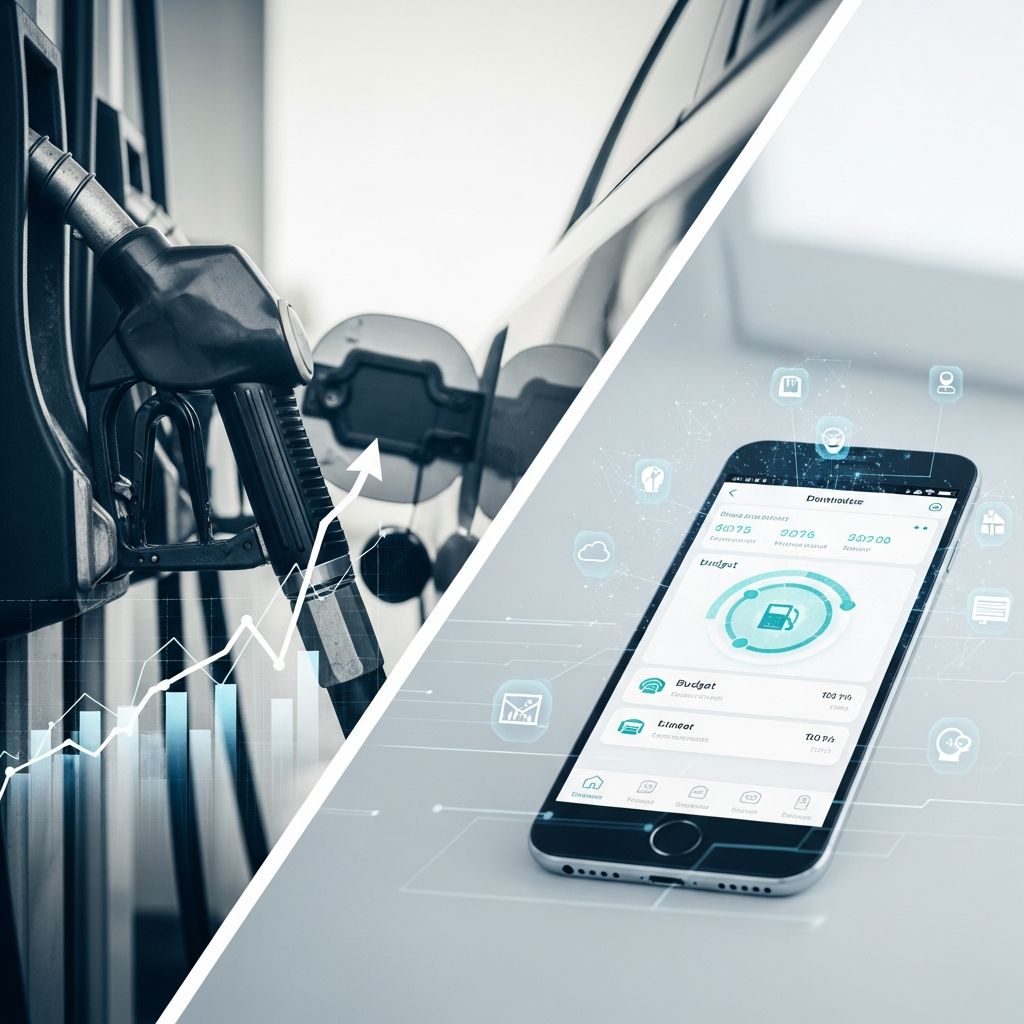
Rising fuel costs continue to impact household budgets across the country, making it increasingly important for drivers to find practical solutions for reducing their expenses at the pump. While some drivers focus on behavioral changes such as maintaining proper tire pressure or consolidating trips, others turn to technology for assistance. Mobile applications have emerged as powerful tools that enable consumers to make informed decisions about where and when to refuel, while simultaneously earning rewards and identifying the most economical options available. These digital solutions transform the way people approach fuel purchasing, offering real-time information and financial incentives that collectively contribute to meaningful savings over time.
Understanding the Landscape of Fuel-Focused Mobile Solutions
The market for fuel management applications has expanded significantly, with various platforms offering distinct approaches to solving the fuel cost problem. Some applications prioritize price comparison functionality, leveraging crowdsourced data from users to identify the most affordable stations nearby. Others focus on reward accumulation, allowing drivers to earn cashback or discounts through affiliated payment methods. Still others take a maintenance-first approach, recognizing that well-maintained vehicles consume fuel more efficiently. Navigation applications have also incorporated fuel-saving features by optimizing routes to reduce unnecessary driving. Understanding these different categories helps drivers select tools that align with their specific needs and habits.
Price Comparison Platforms: Finding the Cheapest Fuel
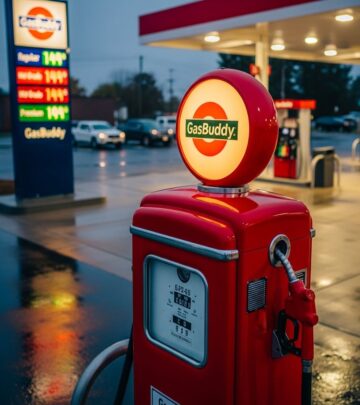
Price comparison applications represent the most straightforward approach to fuel savings. These platforms aggregate pricing information from gas stations across geographic regions, enabling drivers to compare costs before deciding where to refuel. The underlying mechanism typically relies on user submissions, creating a community-driven database that reflects real-time market conditions. Drivers can search for stations near their current location or along planned routes, making informed decisions based on current pricing data.
One notable application in this category has garnered over 100 million downloads, establishing itself as a dominant force in the price comparison segment. This platform offers free access to basic price information without requiring account creation, though users can unlock additional features such as targeted deal alerts through a paid account tier. The application integrates a branded debit card option that provides per-gallon discounts at participating stations, potentially reducing fuel costs by as much as 33 cents per gallon when deal alerts are activated and the card is used for payment.
An alternative price comparison application offers a more streamlined interface designed for users with limited mobile storage capacity. This platform provides similar real-time pricing updates based on user submissions, though it maintains a simpler feature set compared to more comprehensive alternatives. Users appreciate this minimalist approach for its straightforward functionality, though the accuracy of displayed prices depends on how frequently the community updates information.
Cashback and Rewards Programs: Earning While You Fuel
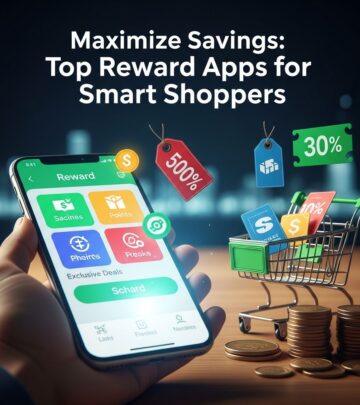
Beyond simple price comparisons, several applications have developed reward systems that provide financial benefits with each fuel purchase. These programs operate on different models, each with distinct advantages depending on individual driving patterns and preferences.
Claim-and-wait applications represent one model within this category. These platforms require users to photograph receipts or verify purchases after the transaction occurs, with cashback credited to their account after a processing period. This approach appeals to drivers who already use their preferred payment methods and seek additional monetary returns on their fuel spending. The delayed gratification model works well for budget-conscious consumers who don’t require immediate discounts.
E-gift card platforms offer an alternative approach where users purchase prepaid cards first, immediately receive cashback incentives, and then use those cards for fuel purchases. This model provides instant gratification compared to claim-and-wait alternatives, appealing to drivers who prefer seeing their rewards accrue before completing transactions. For consumers who frequently purchase from specific fuel brands, this approach can deliver substantial cumulative savings, particularly when combined with credit card reward stacking.
Station loyalty programs operated by individual fuel retailers provide another avenue for reward accumulation. These applications integrate directly with specific gas station chains, allowing frequent customers to earn points or discounts through branded loyalty ecosystems. For drivers with established preferences for particular stations or fuel brands, these dedicated programs can deliver superior long-term value compared to third-party applications.
Navigation Intelligence: Route Optimization for Fuel Conservation
Navigation applications have expanded beyond their core functionality to incorporate features that directly impact fuel consumption. Real-time traffic monitoring and dynamic route adjustment represent key innovations that indirectly contribute to fuel savings by reducing time spent in congestion.
Modern navigation platforms receive crowdsourced reports from active drivers, enabling the system to identify accidents, road closures, traffic slowdowns, and other conditions that might cause unnecessary delays. By providing alternative routing that avoids congestion, these applications help drivers maintain consistent speeds and reduce fuel wasted during periods of stop-and-go driving. The fuel savings from avoiding traffic congestion can exceed the benefits of finding a station with slightly cheaper fuel, making navigation optimization an underrated component of comprehensive fuel cost reduction strategies.
Some navigation applications extend their functionality to include gas price information, allowing users to plan fuel stops alongside route optimization. This integrated approach enables drivers to coordinate their refueling strategy with their overall travel plan, ensuring they stop at economical stations positioned conveniently along their route rather than detouring to marginally cheaper alternatives.
Vehicle Maintenance Tracking: The Foundation of Fuel Efficiency
Fuel consumption directly correlates with vehicle maintenance status, making maintenance tracking applications valuable components of a comprehensive fuel-saving strategy. Regular maintenance activities such as oil changes, tire rotations, air filter replacements, and spark plug service all contribute to optimal engine performance and fuel economy.
Specialized automotive maintenance applications use vehicle identification numbers or license plate information to provide customized maintenance schedules specific to individual vehicles. These platforms aggregate historical service records and manufacturer recommendations, alerting users to upcoming services and open recalls that might affect fuel efficiency. Some applications include fuel tracking functionality, allowing drivers to log fill-ups and calculate actual miles-per-gallon performance over extended periods. This data helps drivers identify when maintenance issues begin affecting fuel economy, providing motivation for timely service completion.
The relationship between maintenance and fuel savings deserves emphasis: a vehicle operating with worn spark plugs, clogged air filters, or improperly inflated tires can experience significantly reduced fuel economy compared to its properly maintained baseline. By proactively managing maintenance, drivers address fuel efficiency at its source rather than merely seeking cheaper fuel prices.
Comparing Application Selection Criteria
| Application Type | Primary Function | Best For | Key Consideration |
|---|---|---|---|
| Price Comparison | Real-time fuel cost lookup | Finding cheapest nearby stations | Accuracy depends on user submissions |
| Cashback Programs | Financial rewards on purchases | Earning returns on fuel spending | Processing time or timing of reward delivery |
| Navigation Tools | Route optimization | Reducing fuel consumption through efficient routing | Coverage and real-time data accuracy |
| Maintenance Tracking | Service scheduling and records | Long-term fuel economy optimization | Requires initial vehicle setup and consistent logging |
Practical Implementation Strategies
Selecting an appropriate application begins with honest assessment of individual driving habits and preferences. Drivers who frequent specific fuel brands might prioritize loyalty programs offering dedicated applications. Those who value instant rewards might prefer e-gift card models over claim-and-wait alternatives. Regular highway drivers would benefit from navigation applications that optimize routing efficiency. Urban drivers with multiple fuel station options nearby might prioritize price comparison capabilities.
Many drivers find that combining multiple applications provides superior results compared to relying on single solutions. For example, a comprehensive fuel-saving strategy might incorporate a price comparison application to identify economical stations, a navigation tool to optimize routing, a maintenance tracker to ensure vehicle efficiency, and a cashback program to earn rewards on purchases. This layered approach addresses fuel costs from multiple angles, maximizing total savings potential.
The calculation of application value should consider subscription costs against projected savings. Premium tiers that charge monthly fees require analysis to ensure the additional features justify their expense. For many drivers, the free versions of popular applications provide sufficient functionality to generate meaningful savings without subscription investment.
Maximizing Your Fuel Savings with Technology
Beyond selecting appropriate applications, drivers can employ additional strategies to amplify their fuel savings. Setting deal alerts within price comparison applications ensures that notifications arrive when fuel reaches particularly attractive price points, preventing missed opportunities. Combining application-based savings with credit card rewards programs that offer bonus points on fuel purchases creates additional stacking opportunities. Planning fill-ups strategically around price fluctuations and application promotions optimizes timing of fuel purchases.
Location-based notifications represent another feature that many applications offer, alerting drivers when they pass near stations with exceptional prices or when their preferred fuel brand offers temporary promotions. Enabling these notifications requires opting into location sharing but provides passive savings opportunities without requiring active engagement with the application.
Frequently Asked Questions
How accurate are real-time fuel prices in these applications?
Price accuracy depends primarily on how recently users submitted information. Prices provided through crowdsourced applications reflect user submissions, which might not update immediately after price changes at stations. For the most reliable information, users should submit current prices when they visit stations, contributing to community data quality and helping fellow drivers.
Do these applications work everywhere or only in specific regions?
Coverage varies significantly among applications. Some platforms offer national coverage with extensive station databases, while others concentrate on specific regions or metropolitan areas. Users should verify that selected applications provide adequate coverage in their geographic area before investing time in setup.
Can I use multiple fuel-saving applications simultaneously?
Absolutely. Many users benefit from running multiple complementary applications that address different aspects of fuel cost reduction. A price comparison application handles locating cheap fuel, while a cashback program simultaneously accumulates rewards, and a navigation tool optimizes routing. The combination often produces superior total savings compared to any single application alone.
What are realistic monthly savings expectations?
Savings depend on individual driving volume, local fuel price variation, and application selection. Light drivers might save $10-20 monthly, while higher-mileage drivers could realize $40-100 monthly savings or more through combination approaches. Premium subscription tiers require personal calculation to ensure benefits exceed costs.
Do these applications work on both Android and iOS platforms?
Most major fuel-saving applications maintain versions for both Android and iOS platforms, though feature sets might vary slightly. Users should verify compatibility before downloading to ensure all desired features are available on their specific device.
Conclusion: A Technology-Enabled Approach to Fuel Economy
Mobile applications have transformed the landscape of fuel cost management, providing drivers with unprecedented access to pricing information, rewards opportunities, and optimization tools. Rather than accepting whatever fuel prices exist at convenient stations, modern drivers can make informed decisions supported by real-time data and strategic incentives. The combination of price comparison platforms, cashback programs, navigation optimization, and maintenance tracking creates a comprehensive ecosystem for fuel cost reduction. While individual applications provide incremental benefits, the cumulative impact of a well-coordinated multi-application strategy can translate into substantial annual fuel savings. As fuel costs continue fluctuating based on global market conditions, technology-enabled solutions provide drivers with tools to maintain budget stability regardless of price movements.
References
- 5 Best Gas Apps to Help With Fuel Costs — NerdWallet. 2025. https://www.nerdwallet.com/finance/learn/gas-apps
- Top Gas Rewards Apps to Save Money in 2025 — Pocomos. 2025. https://pocomos.com/blog/top-gas-rewards-apps-to-save-money-in-2025/
- 6 Apps That Can Save You Big at the Gas Pump — MyBank. 2025. https://mybank.com/blog/6-apps-that-can-save-you-big-at-the-gas-pump/
- Best Gas Apps (2024) — PolicyGenius. 2024. https://www.policygenius.com/personal-finance/best-gas-apps-of-2022/
- Cash Back Gas App Comparison for Everyday Drivers — Snaplii. 2025. https://snaplii.com/blog/cash-back-gas-app/
- 5 Gas Apps to Get You Through The Price Surge — WKFCU. 2022. https://wkfcu.org/Services/GoodToKnow/2022-Gas-Apps/
Similar Articles








Read full bio of medha deb