Digital Rent Payment Methods: A Complete Guide
Explore secure online options for paying rent with convenience and reliability
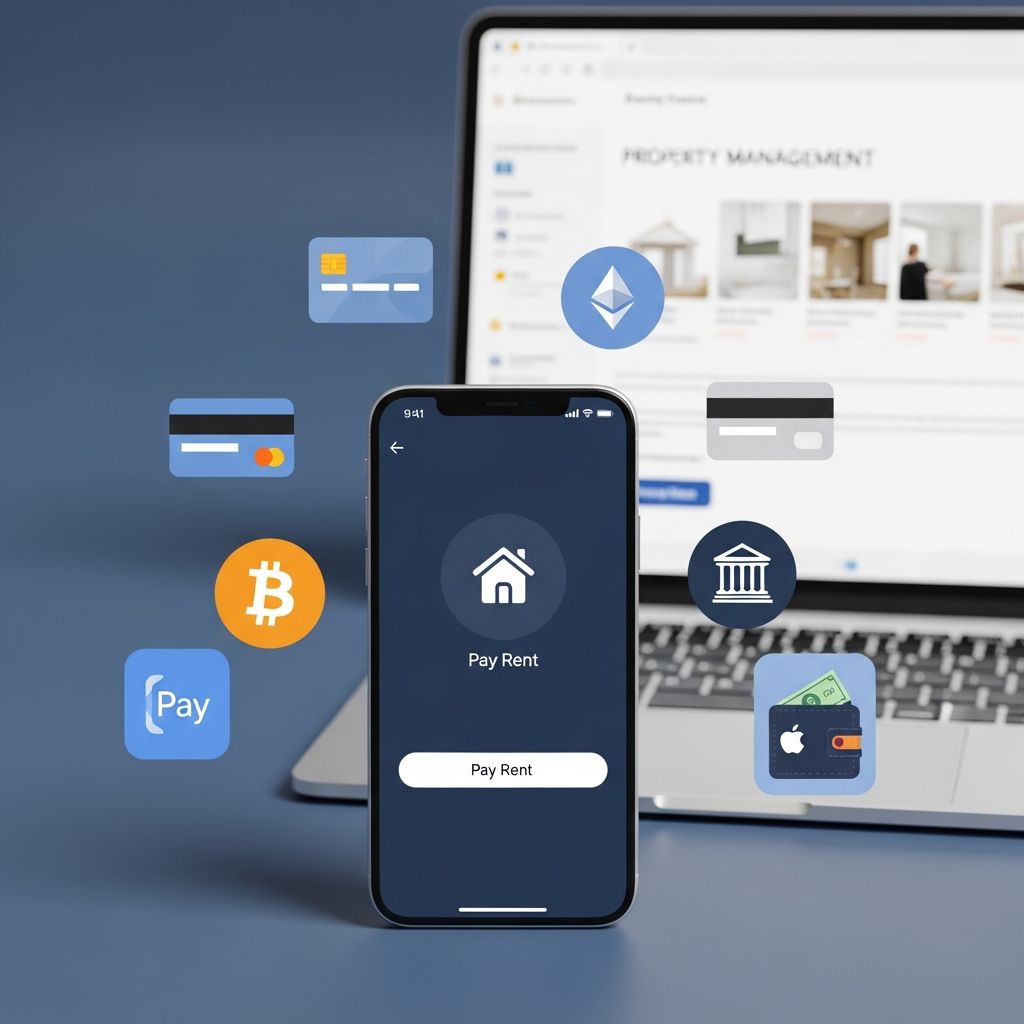
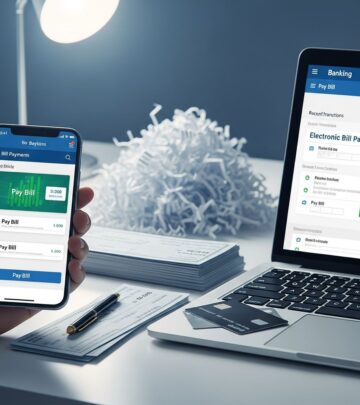
Paying rent online has transformed from a convenience to an expectation in modern rental markets. Whether you’re a tenant seeking the most efficient way to settle your monthly obligations or a landlord implementing collection systems, understanding the digital payment landscape is essential. This comprehensive guide explores the various methods available, the platforms that facilitate them, and the considerations that make each option suitable for different situations.
The Evolution of Rental Payments in the Digital Age
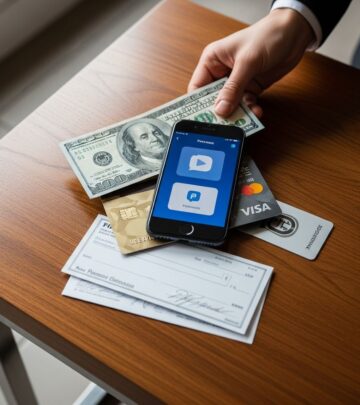
Traditional rent payment methods—cash envelopes, personal checks, and in-person money orders—have largely given way to digital alternatives that offer greater security, convenience, and documentation. The shift toward digital payments reflects broader economic trends toward cashless transactions and the widespread adoption of online banking. For tenants, digital payments eliminate the need to carry large sums of money or visit physical locations. For landlords and property managers, they provide automatic tracking, reduce the risk of lost or stolen payments, and streamline accounting processes.
The infrastructure supporting digital rent payments has matured significantly, with multiple platforms now competing to offer the most user-friendly experience and comprehensive feature sets. This competition benefits both renters and landlords by driving innovation and keeping costs reasonable.
Core Digital Payment Methods Available Today
Several fundamental payment mechanisms form the backbone of modern rent transactions. Understanding each method helps you select the approach that aligns with your needs, financial situation, and preferences.
ACH Bank Transfers
ACH (Automated Clearing House) transfers represent one of the most popular methods for digital rent payments. This system allows direct movement of funds from a tenant’s bank account to a landlord’s account through the banking infrastructure. ACH transfers typically process within one to three business days, depending on the timing of submission and the banks involved. One significant advantage is that most ACH transfers carry no transaction fees for tenants, making them the most cost-effective option for regular payments. The method provides automatic confirmation and clear records suitable for documentation purposes.
However, ACH transfers require sharing banking information with either the landlord or a payment platform. While modern platforms employ encryption and security measures, tenants should only provide such information to verified, reputable services.
Credit and Debit Card Payments
Credit cards and debit cards offer immediate payment processing and built-in records. Debit card payments eliminate processing fees while providing instant confirmation, though they lack the rewards typically associated with credit card spending. Credit card payments may incur convenience fees ranging from 1% to 3% depending on the platform, but they allow tenants to use their rewards programs and build credit history.
For tenants carrying credit card balances, this payment method can be counterproductive due to interest charges. However, for those managing their balances responsibly, the rewards potential and credit-building benefits may offset any convenience fees.
Cash Payments Through Digital Channels
Several modern platforms have integrated cash payment options by partnering with retail networks. These services allow tenants to deposit cash at designated locations without requiring a bank account or credit card. For example, some platforms offer cash payments at over 90,000 retail locations, though these typically involve processing fees ranging from $4.99 to $5.00 per transaction. This option serves tenants who prefer cash transactions or lack traditional banking relationships.
E-Checks and Digital Checks
E-checks combine the familiarity of traditional checks with digital convenience. Tenants initiate check payments electronically through their bank or a payment platform, and the system handles delivery and processing. These typically process within a similar timeframe as ACH transfers and reduce the delays associated with physical check clearing.
Comparing Major Online Rent Payment Platforms
The market offers numerous platforms designed to facilitate rent collection and payment. Each platform brings distinct strengths, pricing structures, and feature sets to the table.
| Platform | Starting Price | Best For | Key Payment Methods Supported |
|---|---|---|---|
| DoorLoop | $69/month | All-in-one property management | ACH, credit/debit cards, cash (CashPay) |
| Avail | $9/unit/month | Scalable rent collection | ACH, credit/debit cards, FastPay option |
| PayYourRent | $9.95/month | Tenant-friendly interface | ACH, credit/debit cards |
| AppFolio | Onboarding + $1.40/unit/month | Comprehensive property management | ACH, credit/debit cards |
| Rentec Direct | $45/month | Expandable feature set | ACH, debit, credit, cash (with 10-payment minimum) |
| TenantCloud | $16.50/month | Budget-conscious landlords | ACH, credit/debit cards |
| Yardi Breeze | $1/unit/month (minimum $100) | Straightforward pricing | ACH, credit/debit cards |
Selecting the appropriate platform depends on several factors: the number of properties managed, desired feature complexity, budget constraints, and the level of tenant support required.
Essential Features to Evaluate in Payment Platforms
Beyond basic payment processing, modern platforms offer capabilities that enhance convenience and financial management for both parties.
Automated Payment Scheduling
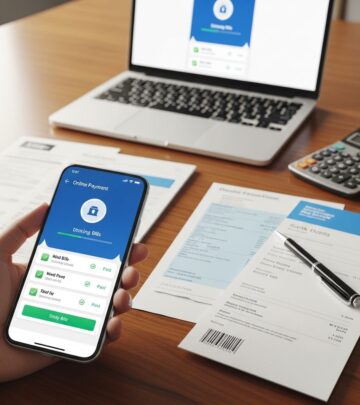
One of the most valuable features is the ability to set up recurring, automated payments. This functionality allows tenants to schedule payments automatically on their due date each month, eliminating the risk of accidentally missing rent deadlines. Landlords benefit from predictable cash flow and reduced collection efforts.
Tenant Communication and Reminders
Platforms that include automated payment reminders help tenants remember due dates and reduce delinquencies. These reminders typically arrive via email or text message several days before the rent deadline, providing sufficient notice for payment processing.
Flexible Payment Options and Splitting
Some platforms enable tenants to split rent payments among roommates, with each person paying their share directly to the landlord. This feature reduces coordination challenges in shared housing and ensures individual responsibility for contributions. Additionally, flexible payment plans allow tenants to break larger payments across multiple days if needed, accommodating cash flow management.
Tenant and Owner Portals
Comprehensive platforms provide dedicated portals where tenants can view payment history, upcoming bills, and maintenance requests, while landlords can access financial reporting, tenant information, and collection analytics. These portals increase transparency and reduce miscommunications.
Payment Processing Times and Fund Availability
Understanding how quickly funds reach your account is crucial for both financial planning and cash flow management. Processing times vary significantly based on the payment method selected:
- Instant or Near-Instant: Some platforms offer immediate confirmation for credit and debit card payments, though funds may not settle to the receiving account for one to three business days
- Standard Processing: ACH transfers typically settle within one to three business days, depending on submission timing and banking hours
- Expedited Options: Premium services like Avail’s FastPay can deliver funds to landlord accounts the next business day for an additional fee
- Cash Payment Settlements: Cash deposits at retail locations typically process within four to five business days
Security Considerations for Digital Rent Payments
Digital payment platforms handle sensitive financial information, making security a paramount concern for both tenants and landlords. Reputable platforms employ several protective measures:
- End-to-end encryption for all data transmission between users and platform servers
- Integration with established payment processors like Stripe and Plaid, which maintain PCI DSS compliance and fraud prevention systems
- Secure tenant portals requiring authentication before accessing payment information
- Detailed payment records and audit trails that can help identify and resolve discrepancies
Tenants should verify that any platform they use displays security certifications, maintains updated privacy policies, and has clear procedures for reporting fraudulent activity.
Cost Considerations and Fee Structures
While many payment methods carry no direct tenant fees, understanding the complete cost picture is essential. ACH transfers remain the most economical option for tenants, typically involving no transaction charges. Credit card payments often include convenience fees of 1% to 3%, while cash payments at retail locations may incur flat fees around $5 per transaction. Landlords typically absorb platform subscription costs, though some pass convenience fees to tenants who choose premium payment methods.
When evaluating platforms, consider both monthly subscription costs and per-transaction fees. A lower monthly fee might be offset by higher transaction costs if you process payments frequently.
Alternative Payment Methods for Specific Situations
E-Transfer and Bank-to-Bank Transfers
Particularly popular in Canada, E-Transfer and direct bank-to-bank transfers settle within hours at no cost to the tenant. These methods require only the landlord’s email address or phone number, making them convenient for situations where formal platforms aren’t established.
Traditional Methods Still in Use
While digital payments dominate, some landlords still accept checks, money orders, or in-person cash payments. Checks typically clear within three to seven business days, creating delays in rent credit. Money orders provide security similar to checks but involve higher fees and inconvenience.
Advantages of Transitioning to Digital Payments
Moving from traditional to digital rent payments provides multiple benefits for both parties:
- Enhanced Documentation: Digital systems create automatic records of all transactions, reducing disputes about payment status
- Reduced Fraud Risk: Eliminating cash and checks removes opportunities for theft, forgery, or counterfeit payments
- Time Efficiency: Automated payments eliminate the need for manual processing, saving hours each month for landlords
- Improved Reliability: Scheduled payments reduce missed deadlines and associated late fees for tenants
- Better Financial Planning: Predictable payment timing allows more accurate cash flow forecasting
- Credit Building Opportunities: Some platforms report on-time payments to credit bureaus, helping tenants improve credit scores
Implementing Digital Payments in Your Rental Situation
For Tenants
Start by determining what payment methods your landlord accepts. If they use an established platform, set up your account and explore automated payment options. If no platform exists, propose one that suits both parties’ needs. Choose payment methods that balance cost, convenience, and security—typically ACH transfers for most situations, with credit cards reserved for situations where rewards justify potential fees.
For Landlords
Evaluate platforms based on property count, desired features, and budget. Start with a trial period to ensure the platform integrates well with your existing accounting systems. Communicate clearly with tenants about available payment methods and any fees they might incur. Consider offering incentives for early payment or setup of automatic payments to encourage adoption.
Frequently Asked Questions
What payment methods do most online platforms accept?
Most reputable platforms accept ACH bank transfers, credit cards, and debit cards. Many also offer alternative options like cash payments through retail partnerships and e-checks. Some newer platforms include payment-splitting features for roommates.
How long does it take for rent payments to be processed?
Processing times depend on the payment method. ACH transfers and e-checks typically settle within one to three business days. Credit and debit card payments may show as pending immediately but settle within similar timeframes. Some platforms offer expedited options that deposit funds the next business day for additional fees.
Are there fees associated with paying rent online?
ACH transfers typically carry no fees for tenants. Credit card payments may incur 1% to 3% convenience fees depending on the platform. Cash payments at retail locations involve flat fees around $5 per transaction. Some platforms offer premium payment plans that reduce or eliminate certain fees.
What is the safest way to pay rent online?
ACH transfers through established platforms offer a strong combination of security and low cost. Verify that platforms use encryption, maintain current security certifications, and integrate with reputable payment processors like Stripe. Avoid sharing banking information with unverified sources.
Can I set up automatic rent payments?
Most modern platforms support automatic recurring payments. Tenants can typically schedule automatic payments for their preferred payment date each month, eliminating the need for manual submission. Some platforms allow customization of payment amounts or dates if circumstances change.
Do online rent payments help build credit?
Some platforms partner with credit reporting agencies to report on-time rent payments, which can help tenants build or improve credit scores. This feature is particularly valuable for renters working to establish credit history. Check whether your platform offers rent reporting before setting up payments.
References
- 12 Best Rent Collection Apps for Landlords — Avail. 2026. https://www.avail.co/education/articles/8-best-rent-collection-apps-for-landlords
- Best Online Rent Payment Portals & Services for 2026 — DoorLoop. 2026. https://www.doorloop.com/blog/best-online-rent-payment-system
- The 8 Best Rent Payment Apps of 2026 — Buildium. 2026. https://www.buildium.com/blog/the-best-rent-payment-app/
- The best online rent payment systems — RentSpree. 2026. https://www.rentspree.com/blog/rent-payment
- 5 Best Online Rent Payment Systems — GoCardless. 2026. https://gocardless.com/en-us/guides/posts/best-online-rent-payment-systems/
- Rent Payment Methods in 2026: Compare Options & Save Money — NeoBanc. 2026. https://www.neobanc.com/articles/rent-payment-methods
Similar Articles








Read full bio of medha deb