Digital Payments: Benefits and Drawbacks
Explore the advantages of speed and security in digital payments alongside risks like cyber threats and fees in today's cashless world.

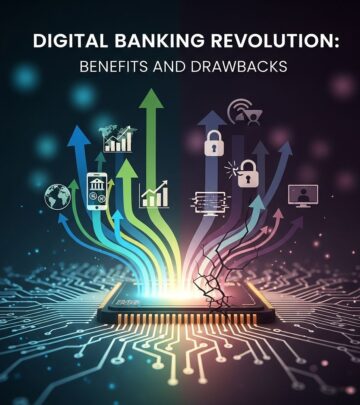
Digital payments have transformed how individuals and businesses exchange money, replacing cash with electronic methods like cards, apps, and wallets. While they streamline transactions, they introduce unique challenges. This article examines their core strengths and weaknesses, drawing on current trends to help you navigate this evolving landscape.
Understanding Digital Payments Today
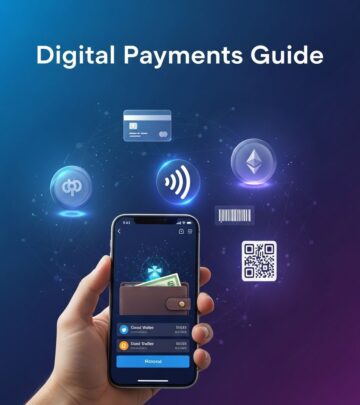
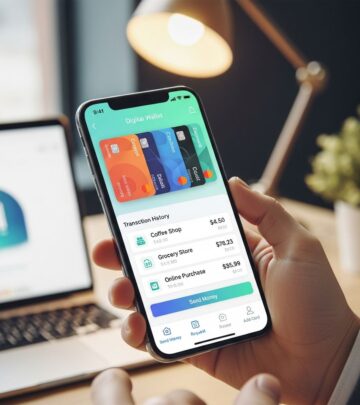
Digital payments encompass any non-cash transaction processed electronically, from tapping a phone at a store to sending money via apps. In 2026, options include credit/debit cards, digital wallets like Apple Pay, buy-now-pay-later services, and real-time bank transfers. These methods dominate in-store, online, and mobile commerce, with digital wallets projected to handle 61% of global ecommerce by 2027.
Consumers expect seamless experiences across channels, driving adoption. Small businesses integrate them into POS systems, ecommerce platforms, and invoicing for faster checkouts and broader reach.
Key Advantages of Adopting Digital Payments
Switching to digital methods yields significant upsides in efficiency, security, and accessibility. Here’s a breakdown:
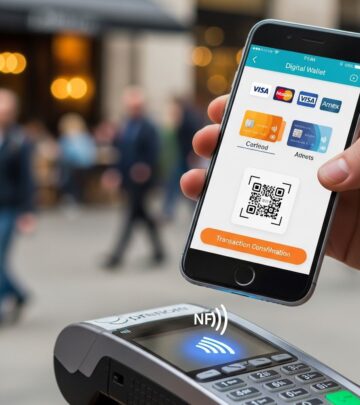
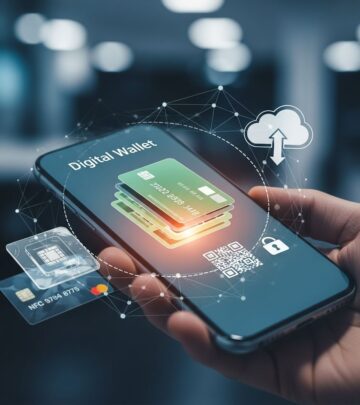
- Enhanced Convenience and Speed: Tap-to-pay or QR scans eliminate fumbling for cash, reducing checkout lines. Mobile wallets use NFC for instant transactions, ideal for busy retail.
- Broad Accessibility: Available everywhere from physical stores to global ecommerce, supporting features like recurring payments and BNPL for flexibility.
- Advanced Security Features: Tokenization replaces card details with unique codes, while biometrics and encryption safeguard data. This minimizes breach impacts compared to physical cards.
- Improved Tracking and Analytics: Digital records enable easy expense monitoring, budgeting, and business reconciliation, with AI tools enhancing insights.
- Cost Savings for Businesses: Real-time payments and open banking cut intermediary fees, boosting liquidity.
| Payment Method | Main Benefit | Best Use Case |
|---|---|---|
| Credit/Debit Cards | Universal acceptance | In-store POS |
| Digital Wallets | Frictionless checkout | Mobile/ecommerce |
| BNPL | Deferred payments | High-value purchases |
| Real-Time Payments | Instant settlement | B2B invoicing |
Significant Disadvantages and Risks
Despite benefits, digital payments carry hurdles that can offset gains if unmanaged.
- Transaction Fees and Hidden Costs: Processors charge 2-3% per swipe, plus chargeback fees, eroding margins for small merchants.
- Cybersecurity Vulnerabilities: Hacking, phishing, and data breaches expose sensitive info. Even tokenized systems face fraud risks, with wallets increasingly targeted.
- Digital Divide Issues: Not everyone has smartphones or reliable internet, excluding unbanked populations or rural users.
- Privacy Concerns: Transactions leave trails for tracking, raising surveillance worries amid open banking expansions.
- Dependency on Technology: Outages or device failures halt payments, unlike cash’s reliability.
Security in the Digital Payment Ecosystem
Security remains paramount as adoption grows. Modern systems employ multi-layered defenses: EMV chips prevent skimming, while AI detects anomalies in real-time. Tokenization and biometrics add barriers, but no system is foolproof—72% of global regions now support real-time infrastructure, amplifying both opportunities and attack surfaces.
Trends like strong digital identity verification reduce account takeovers, yet fraud evolves with AI-driven attacks. Businesses must balance convenience with robust protocols.
Popular Digital Payment Methods Explained
Credit and Debit Cards
Backbone of payments, these support contactless taps and chips for security. Fees apply, but wide acceptance makes them essential.
Mobile Wallets and Tokenization
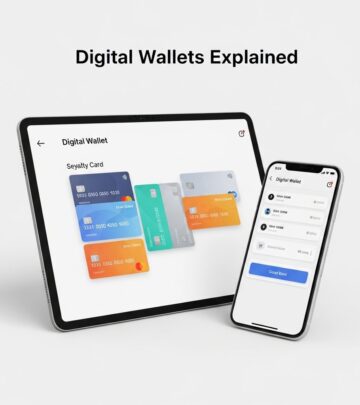
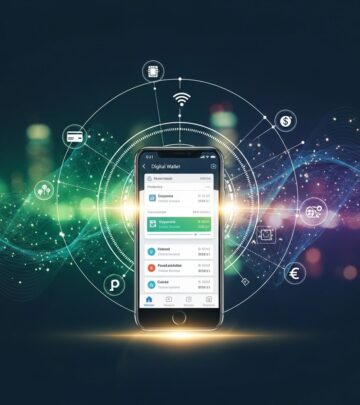
Apps like Google Pay store credentials securely, enabling one-tap purchases. Fastest-growing segment, they integrate loyalty rewards seamlessly.
Buy Now, Pay Later (BNPL)
Market exploded to $680 billion by 2025, appealing to younger buyers with installment plans. Boosts conversions but risks over-indebtedness.
Open Banking and Real-Time Transfers
Direct account-to-account moves slash costs and fees, popular in EU/UK. U.S. ramps up for 2026 scalability.
Business Impacts: Opportunities and Challenges
For small businesses, digital payments expand markets via ecommerce and cross-border options. Embedded payments in apps drive loyalty, while analytics optimize pricing. However, integration costs and fraud losses demand careful vendor selection.
| Scenario | Pro | Con |
|---|---|---|
| In-Store | Quick queues | POS hardware costs |
| Online | Global reach | Chargeback risks |
| Mobile | High conversion | Fraud exposure |
Future Directions: Trends Shaping 2026
Looking ahead, agentic AI will automate purchases, with protocols like Visa’s VIC ensuring secure AI transactions. Interoperability, stablecoins, and modular platforms promise flexibility. Banks face challenges from wallets’ rise, pushing innovation in embedded finance.
Practical Tips for Safe Digital Payments
- Enable two-factor authentication everywhere.
- Monitor statements regularly for anomalies.
- Choose providers with strong encryption and fraud tools.
- Diversify methods to avoid single-point failures.
- Educate on phishing to prevent unauthorized access.
Frequently Asked Questions (FAQs)
What are digital payments?
Electronic transfers using cards, apps, or bank links instead of cash.
Are digital payments safer than cash?
Often yes, due to tokenization, but cyber risks exist—use trusted providers.
How do fees work for businesses?
Typically 1-3% per transaction, varying by method and volume.
Can everyone use digital payments?
No, tech access limits some groups; hybrids with cash help.
What’s next for payments in 2026?
AI agents, real-time global transfers, and wallet dominance.
References
- 6 Best Digital Payment Options for Small Businesses in 2026 — Ready Credit Corp. 2026. https://www.readycreditcorp.com/resources/blog/digital-payment-options-small-business/
- Best Alternative Payment Solutions for 2026 — Thunes. 2026. https://www.thunes.com/insights/trends/alternative-payment-methods/
- 9 Important Digital Payment Trends Guiding Fintech Growth in 2026 — Lumenalta. 2026. https://lumenalta.com/insights/9-important-digital-payment-trends-guiding-fintech-growth-in-2026
- Top 9 Payment Trends for 2026 — Checkout.com. 2026. https://www.checkout.com/blog/top-9-payment-trends-for-2026
- 15 Payment Trends Redefining Commerce in 2026 — Nuvei. 2026. https://www.nuvei.com/posts/15-payment-trends-that-will-redefine-how-commerce-works-in-2026
Similar Articles








Read full bio of medha deb