Digital Marketplaces: Where to Sell Your Items Online in 2026
Discover the top online platforms to sell your items and maximize profits

The secondhand market has experienced remarkable growth, reaching $182 billion in 2024, with projections suggesting the online resale sector will exceed $350 billion by 2028. This expansion reflects a fundamental shift in consumer behavior, where selling items online has become an accessible and profitable endeavor for millions of individuals. Whether you’re clearing out your closet, upgrading electronics, or running a professional resale business, understanding which platform aligns with your inventory and goals is essential for success.
Understanding the Modern Resale Landscape
Today’s online selling environment offers unprecedented diversity. Unlike traditional methods such as garage sales or consignment shops, digital platforms connect sellers with millions of potential buyers globally. However, this abundance of choice also means that selecting the wrong marketplace can significantly impact your earning potential. Each platform attracts different buyer demographics, handles various product categories differently, and operates under distinct fee structures. Success requires matching your inventory type with the platform that values it most.
General Marketplace Powerhouses
eBay: The Auction and Fixed-Price Giant
eBay remains one of the most recognizable names in online selling, boasting over 182 million active buyers worldwide. This massive audience creates opportunities for sellers across virtually every category imaginable. The platform accommodates both auction-style listings, which can generate urgency and drive quick sales, and fixed-price listings, which often yield better profit margins for high-demand items. The auction format particularly benefits sellers with collectible or unique items that benefit from competitive bidding.
For sellers serious about maximizing visibility, eBay’s Promoted Listings feature allows you to increase exposure in competitive categories, though this comes at an additional cost. Success on eBay requires understanding your category dynamics and selecting the listing format that best serves your specific inventory.
Mercari: Streamlined Selling for the Mobile Generation
Mercari has revolutionized the selling experience by making it feel less like commerce and more like decluttering. The platform’s mobile-first design enables quick listing creation, straightforward inventory management, and a user-friendly interface that appeals to first-time sellers. With a flat 10% fee structure, Mercari’s pricing is transparent and predictable, making financial projections straightforward.
The platform excels with household items, clothing, electronics, and toys—essentially the inventory most people accumulate over time. Mercari’s broad category acceptance and simplicity make it an ideal entry point for individuals new to online selling. The “offer to likers” feature provides an additional tool to encourage conversions on items that generate interest but haven’t yet sold.
Specialized Fashion and Accessories Platforms
Poshmark: Fashion-Forward Resale Community
Poshmark has established itself as the premier platform for fashion resale, hosting approximately 80 million users who specifically seek clothing, shoes, and accessories. The platform’s social integration distinguishes it from other marketplaces—the sharing and networking capabilities allow sellers to build audiences and boost visibility organically. This community-focused approach often results in faster sales for fashion items that resonate with Poshmark’s user base.
Understanding Poshmark’s fee structure is crucial for pricing strategy. The platform charges a flat $2.95 fee for sales under $15, and a 20% commission on sales exceeding $15. This tiered structure means that fashion items priced below $15 require careful calculation to ensure profitability after factoring in shipping costs. Many new sellers overlook incorporating shipping expenses into their pricing, which can eliminate margins or even result in losses.
Depop: Capturing the Vintage and Streetwear Market
Depop attracts a younger demographic, particularly Gen Z buyers searching for trendy, vintage, and streetwear items. The platform’s visual-first interface emphasizes quality photography, making aesthetic presentation essential for success. With a 10% seller fee, Depop charges less than Poshmark, though its audience skews toward specific aesthetic preferences.
Sellers report notably fast transaction times on Depop, often moving items within a week when listed strategically. Success on Depop requires understanding current trends and leveraging the platform’s hashtag system effectively. Items that align with Gen Z fashion preferences and vintage aesthetics perform exceptionally well, sometimes creating bidding competition that drives prices upward.
Specialty Category Platforms
Etsy: Handmade, Vintage, and Artisan Goods
Etsy serves as the designated marketplace for handmade items, vintage goods, and unique artisan products. Buyers on Etsy actively seek authentic, creative, and one-of-a-kind pieces, and they typically demonstrate willingness to pay premium prices for items with genuine craftsmanship or historical value. The platform has cultivated an audience that values authenticity and originality over mass-produced alternatives.
A critical consideration for Etsy sellers involves the platform’s strict definition of “vintage,” which requires items to be at least 20 years old. Sellers must carefully verify that their vintage inventory meets this criterion, as listings that violate this policy face removal. Despite this limitation, Etsy sellers report average sale values around $40, though this figure varies significantly based on niche specialization and product quality. Handmade sellers frequently command higher per-item valuations compared to general resale platforms.
1stDibs and Chairish: High-End and Design-Focused Sales
For sellers with higher-value items, one-of-a-kind pieces, collectible goods, or fine jewelry, 1stDibs represents the appropriate marketplace. This platform attracts serious collectors and dealers seeking premium inventory, making it ideal for items with significant value or historical importance. Unlike general marketplaces, 1stDibs appeals to professional dealers and high-net-worth buyers willing to invest substantially in exceptional pieces.
Chairish specializes in vintage and used furniture, art, and home decor targeted toward design-conscious consumers. Similar to 1stDibs, Chairish attracts buyers prioritizing aesthetics and quality over price, creating opportunities for sellers with curated home furnishings and decorative items that appeal to design-forward audiences.
Specialized Marketplaces for Niche Categories
Additional specialized platforms serve particular inventory types. AbeBooks connects sellers of rare, collectible, and out-of-print books with serious collectors worldwide. Reverb focuses on musical instruments, charging only 5% in selling fees plus approximately 3% for payment processing, totaling roughly 8%—significantly lower than most platforms. For used books and media, these specialized platforms often yield better returns than general marketplaces because they attract buyers actively seeking those specific categories.
Local Selling Platforms and In-Person Options
Facebook Marketplace: Community-Based Transactions
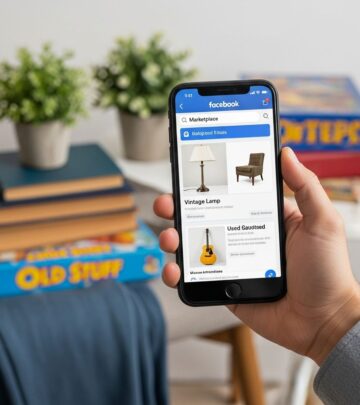
Facebook Marketplace provides a free listing option with direct access to local buyers, making it ideal for furniture, large appliances, and other items where shipping costs become prohibitive. The platform eliminates both listing fees and seller commissions for in-person sales, allowing sellers to retain 100% of their proceeds. Direct messaging functionality streamlines communication between buyers and sellers, though safety considerations require meeting in public locations.
Sellers frequently report rapid sales through Facebook Marketplace, particularly for bulky items that move within days. The platform’s integration with Facebook’s user base provides immediate community access, though transaction security relies primarily on individual discretion rather than platform protections.
OfferUp and Craigslist: Modern and Traditional Local Options
OfferUp offers a more contemporary alternative to Craigslist, featuring a cleaner interface, superior photo display capabilities, and built-in messaging. While OfferUp remains free for local in-person sales, the platform also offers a shipping option through its TruYou program, though fees apply for this service. The visual presentation emphasis makes OfferUp particularly effective for items in the $20 to $200 range.
Craigslist, despite its utilitarian interface and minimal platform support, remains viable for local sales of bulky items like furniture and appliances. The platform requires more hands-on communication management but continues to attract significant buyer traffic, particularly in metropolitan areas.
Bookoo and VarageSale: Niche Community Platforms
Bookoo functions as an online yard sale targeting suburban and small-town communities, serving over 500 U.S. communities with populations typically between 50,000 and 200,000. The platform charges zero fees for listing or conducting business, making it an excellent option for sellers in its service areas. VarageSale operates similarly to a community-vetted Facebook Marketplace, emphasizing trust and local transactions while maintaining higher standards through community verification processes.
Comparative Fee Structure Analysis
| Platform | Fee Structure | Best For |
|---|---|---|
| eBay | Variable (auction dependent) | Collectibles, unique items |
| Mercari | Flat 10% | General household goods |
| Poshmark | $2.95 (under $15) or 20% (over $15) | Fashion and accessories |
| Depop | 10% | Vintage, streetwear, fashion |
| Etsy | Variable (listing + commission) | Handmade, vintage items |
| Facebook Marketplace | Free (local sales) | Furniture, large items |
| Reverb | ~8% total | Musical instruments |
Strategic Platform Selection Framework
Evaluating Your Inventory Type
Begin platform selection by categorizing your inventory. Fashion items generally perform best on Poshmark or Depop, where specialized audiences actively seek these products. Household goods, electronics, and general merchandise suit Mercari’s broad category acceptance and straightforward fee structure. Collectibles, rare books, and high-value items demand platforms like eBay, AbeBooks, or 1stDibs, where buyers expect to invest significantly and value expertise.
Geographic Considerations
Local selling platforms eliminate shipping costs and accelerate sales timelines for items that buyers prefer to inspect before purchase. Furniture, appliances, and large items benefit substantially from local transaction options. Conversely, specialized or collectible items often require national or international shipping to reach buyers who specifically seek such inventory, making eBay or specialized platforms more appropriate despite higher fees.
Financial Impact Analysis
Specialized platforms frequently yield 15-30% higher prices than general marketplaces because their targeted audiences demonstrate stronger purchasing power and willingness to pay premiums for items matching their interests. However, local selling options can net sellers 20-40% more per item compared to shipped sales by eliminating shipping costs and platform commissions entirely. The highest profitability strategy often involves understanding which platform’s audience values your specific inventory most highly.
Optimization Strategies for Maximum Returns
Regardless of platform selection, several universal principles drive sales success. High-quality photography dramatically improves conversion rates—buyers cannot physically inspect items, so visual presentation becomes paramount. Detailed, accurate descriptions that address common buyer questions reduce transaction friction and support faster sales. Strategic pricing requires understanding both platform fee structures and competitive landscapes within your category.
Many sellers find success through multi-platform strategies, listing identical items across several marketplaces to maximize exposure and capture buyers regardless of their preferred platform. This approach requires inventory management systems to prevent overselling and complicated fulfillment challenges, but significantly increases the likelihood of sales for competitive inventory categories.
References
- Top Marketplaces for Used Goods in 2026 — ResaleOS. 2026. https://www.resaleos.co/blog/top-14-marketplaces-for-used-goods-in-2026
- 45 Best Places to Sell Used Stuff in 2026: Online & Local Cash Options — AmeriSave. 2026. https://www.amerisave.com/learn/best-places-to-sell-used-stuff-in-online-local-cash-options
- Selling on eBay vs Other Marketplaces in 2026: What Actually Works for Sellers — MyListerHub. 2026. https://www.mylisterhub.com/articles/selling-on-ebay-vs-other-marketplaces-in-2026-what-actually-works-for-sellers
- Best Online Sites to Buy & Sell Used Clothes in 2026 — Verily Magazine. 2026. https://verilymag.com/beauty/best-online-sites-to-buy-sell-used-clothes-in-2026/
Similar Articles








Read full bio of medha deb