Digital Marketing: Definition, Strategies & Examples
Master digital marketing strategies to reach consumers across online channels and drive business growth.
What Is Digital Marketing?
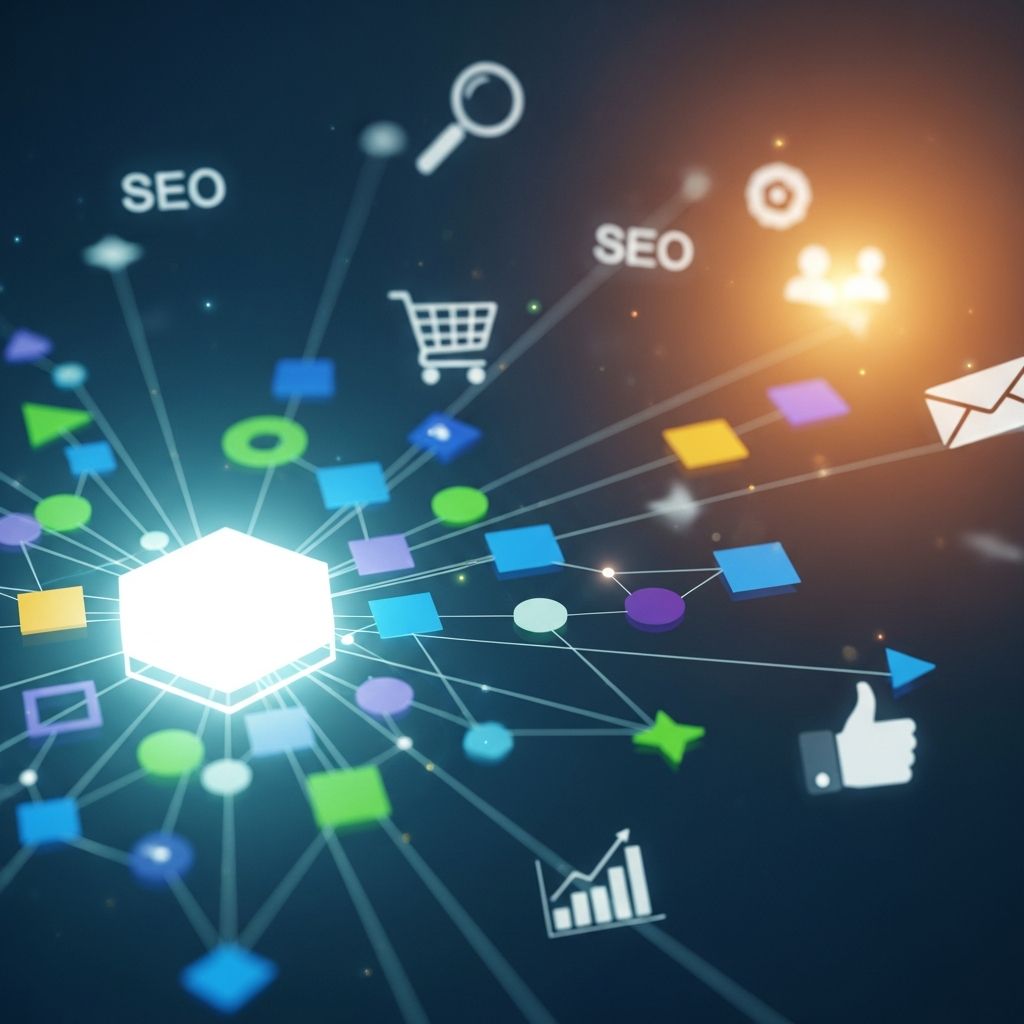
Digital marketing encompasses the use of the internet, mobile devices, social media, search engines, and various online channels to reach and engage consumers. Unlike traditional marketing methods that rely on physical media, digital marketing leverages technology and data-driven insights to connect with audiences where they spend most of their time: online.
In today’s hyperconnected world, consumers engage with brands across multiple digital touchpoints throughout their customer journey. Businesses that understand and effectively utilize digital marketing channels can build stronger relationships with their target audiences, increase brand awareness, and drive conversions at scale.
The Evolution of Digital Marketing
Digital marketing has evolved dramatically over the past two decades. What began as simple banner ads and email campaigns has transformed into a sophisticated ecosystem of interconnected channels and strategies. The rise of social media platforms, mobile technology, and advanced analytics has fundamentally changed how businesses approach marketing.
Today’s marketers have access to unprecedented amounts of consumer data and powerful tools that allow them to understand customer behavior, preferences, and purchasing patterns in real time. This shift has enabled companies to move from broad, one-size-fits-all messaging to highly personalized, targeted campaigns that speak directly to individual consumer needs.
Core Digital Marketing Channels
Successful digital marketing strategies typically involve a combination of multiple channels working together to create a cohesive brand experience. Understanding each channel’s unique strengths helps marketers allocate resources effectively and maximize return on investment.
Search Engine Optimization (SEO)
Search engine optimization is a fundamental component of digital marketing that focuses on improving website visibility in organic search results. This involves optimizing website content, structure, and technical elements using strategic keywords, quality inbound links, and proper site architecture.
Effective SEO drives organic traffic to websites without requiring paid advertising investment. By ranking higher for relevant search queries, businesses can attract consumers who are actively searching for their products or services, resulting in higher-quality leads and conversions.
Social Media Marketing
Social media platforms provide direct channels for businesses to connect with customers on a personal level. Effective social media marketing involves creating engaging content, fostering community discussions, and building brand loyalty through consistent interaction.
Businesses can leverage both organic social media posts and paid advertising options. Paid social media ads use sophisticated platform algorithms and analytics to target specific audience segments based on demographics, interests, behaviors, and past interactions with the brand.
Content Marketing
Content marketing focuses on creating valuable, relevant, and engaging content that attracts and retains customers. This includes blog posts, videos, infographics, white papers, case studies, webinars, and e-books.
Quality content serves multiple purposes in digital marketing: it establishes brand authority, improves search engine rankings through SEO benefits, provides value to prospective customers, and creates opportunities for lead generation through content upgrades and opt-in offers.
Email Marketing
Email remains one of the most effective digital marketing channels, offering high return on investment when executed properly. Email marketing enables businesses to deliver personalized messages directly to interested subscribers, nurturing leads through the sales funnel.
Modern email marketing goes beyond generic newsletters, incorporating segmentation, personalization, automation, and analytics to deliver the right message to the right person at the right time.
Paid Advertising
Digital paid advertising includes pay-per-click (PPC) search engine ads, banner ads, display advertising, video ads, and other sponsored content across various online platforms. These tactics provide immediate visibility and traffic while organic strategies develop.
Paid advertising offers sophisticated targeting capabilities, detailed performance tracking, and flexible budget controls that make it accessible for businesses of all sizes.
Inbound Versus Outbound Marketing
Understanding the distinction between inbound and outbound marketing is crucial for developing balanced digital marketing strategies.
Outbound Marketing
Outbound marketing pushes messages to consumers through interruptive channels such as television commercials, radio ads, billboards, display ads, and cold calling. This approach relies on reaching large audiences with the assumption that a percentage will be interested in the message.
While outbound marketing can still generate results, it often creates a less favorable user experience and typically produces lower engagement rates compared to more customer-centric approaches.
Inbound Marketing
Inbound marketing takes a customer-centric approach by pulling consumers in with content and experiences tailored to their interests and needs. Rather than interrupting consumers, inbound marketing attracts them through valuable content, helpful resources, and genuine engagement.
This approach builds brand awareness organically, generates higher-quality leads, and creates positive impressions that foster brand loyalty. When executed effectively, inbound marketing encourages customers to become brand advocates who share positive experiences through word-of-mouth and online reviews.
Key Digital Marketing Strategies
Website Optimization
A well-designed website serves as the cornerstone of digital marketing efforts. Whether a simple blog or a sophisticated e-commerce platform, websites must be user-friendly, visually appealing, and optimized for conversions.
Modern websites should be mobile-responsive, load quickly, provide clear navigation, and deliver compelling value propositions that encourage visitors to take desired actions.
Data Analytics and Performance Measurement
Modern digital marketing relies heavily on data analytics to understand campaign performance and consumer behavior. Key performance indicators (KPIs) such as click-through rates, conversion rates, customer acquisition costs, lifetime value, and return on ad spend provide insights into marketing effectiveness.
Analytics tools enable marketers to track the complete customer journey, identify bottlenecks, understand which tactics drive results, and continuously optimize strategies based on real-world performance data.
Personalization and Segmentation
Personalized marketing messages significantly outperform generic communications. Digital marketing enables sophisticated audience segmentation based on demographics, behavior, purchase history, engagement level, and other variables.
By tailoring messages, offers, and experiences to specific audience segments, businesses can increase engagement rates, improve customer satisfaction, and drive higher conversion rates.
Customer Journey Mapping
Understanding the complete customer journey from awareness through purchase and beyond is essential for effective digital marketing. Successful strategies address customer needs and preferences at each stage of the journey.
Mapping touchpoints and optimizing experiences at each stage ensures consistent messaging, reduces friction in the purchasing process, and builds stronger customer relationships that extend beyond the initial transaction.
Benefits of Digital Marketing for Businesses
Digital marketing offers numerous advantages that make it an essential component of modern business strategy:
Reach and Accessibility
Digital channels enable businesses to reach audiences globally, breaking geographic limitations that constrain traditional marketing. Small businesses can compete effectively with larger enterprises by targeting niche audiences efficiently.
Cost Efficiency
Digital marketing typically requires lower upfront investment compared to traditional channels. Businesses can start with limited budgets and scale spending based on performance and results.
Measurability and Transparency
Unlike traditional marketing, digital campaigns provide detailed, real-time performance data. Marketers know exactly how much they’re spending, what results they’re generating, and return on every marketing dollar invested.
Targeting Precision
Advanced targeting capabilities allow marketers to reach specific audience segments with relevant messages, reducing wasted advertising spend and improving overall campaign efficiency.
Speed and Flexibility
Digital campaigns can be launched quickly and adjusted in real time based on performance data. This agility enables businesses to respond rapidly to market changes and consumer preferences.
Digital Marketing vs. Traditional Marketing
| Aspect | Digital Marketing | Traditional Marketing |
|---|---|---|
| Reach | Global, targeted audience | Local or regional, broad audience |
| Cost | Lower initial investment, scalable | Higher upfront costs |
| Measurement | Real-time data and analytics | Difficult to measure precisely |
| Targeting | Highly specific segments | General demographic targeting |
| Engagement | Interactive, two-way communication | One-way messaging |
| Flexibility | Easily adjustable in real time | Fixed campaign duration |
Emerging Digital Marketing Trends
The digital marketing landscape continues to evolve rapidly with new technologies and consumer behaviors shaping strategy. Artificial intelligence, marketing automation, voice search optimization, and video content are increasingly important.
Successful digital marketers stay informed about emerging trends, continuously test new channels and tactics, and adapt strategies based on changing consumer preferences and technological advancements.
Frequently Asked Questions
Q: What is the main goal of digital marketing?
A: The primary goal of digital marketing is to reach and engage target audiences through online channels to build brand awareness, generate leads, drive sales, and foster customer loyalty. Specific goals vary by business but typically involve increasing conversions, improving customer lifetime value, and achieving measurable return on marketing investment.
Q: How do I measure the success of digital marketing campaigns?
A: Success is measured using key performance indicators (KPIs) relevant to your specific goals. Common KPIs include website traffic, conversion rates, cost per acquisition, customer lifetime value, engagement rates, click-through rates, and return on ad spend. Use analytics tools to track these metrics and continuously optimize campaigns based on performance data.
Q: Which digital marketing channels should my business prioritize?
A: Channel selection depends on your target audience, industry, budget, and business goals. Most successful strategies combine multiple channels—typically including a strong website, SEO, content marketing, and social media as foundations, with paid advertising and email marketing as complementary tactics. Start by understanding where your target customers spend time online.
Q: How much should I budget for digital marketing?
A: Digital marketing budgets vary widely based on business size, goals, and competitive landscape. Small businesses might start with $500–$2,000 monthly, while larger enterprises spend significantly more. Rather than focusing on absolute spending, prioritize return on investment by testing channels, measuring results, and allocating more resources to high-performing tactics.
Q: What skills do I need to succeed in digital marketing?
A: Key skills include data analysis, content creation, SEO knowledge, social media proficiency, understanding of marketing analytics tools, customer psychology, and adaptability to changing technologies. Many professionals benefit from formal training, certifications, or business education programs specializing in digital marketing strategy.
Q: How has digital marketing changed consumer behavior?
A: Digital marketing has fundamentally altered how consumers research, evaluate, and purchase products. Today’s consumers expect personalized experiences, seek recommendations through social media and reviews, and conduct extensive online research before making purchase decisions. Businesses must adapt to these changed expectations to remain competitive.
References
- What Is Marketing? — Investopedia. 2024. https://www.investopedia.com/terms/m/marketing.asp
- What Is Digital Marketing? — Youngstown State University Online. 2024. https://online.ysu.edu/degrees/business/mba/marketing/look-at-digital-marketing/
- The Beginner’s Guide to Digital Marketing — HubSpot Academy. 2024. https://blog.hubspot.com/marketing/digital-marketing
- What Is Inbound Marketing? — HubSpot. 2024. https://www.hubspot.com/inbound-marketing
- Digital Marketing Strategy and Planning — U.S. Small Business Administration. 2024. https://www.sba.gov/
Similar Articles








Read full bio of Sneha Tete