Digital Insurance Solutions: Your Complete Guide
Discover how modern technology simplifies auto insurance purchasing

The landscape of consumer purchases has transformed dramatically over the past decade, with digital channels now dominating how people acquire everything from everyday groceries to major financial products. Car insurance stands as a prime example of this digital revolution, offering consumers unprecedented convenience and accessibility. Rather than scheduling appointments with local agents or spending hours on phone calls, individuals can now obtain comprehensive auto insurance coverage from their computers or mobile devices within minutes.
The Evolution of Insurance Accessibility
Traditional insurance purchasing involved multiple steps that consumed significant time and required in-person interaction. Consumers had to visit agency offices during business hours, meet with agents, and review documents physically. This process created barriers for busy individuals, those with transportation challenges, and people seeking flexibility in their shopping experience. The digital transformation of insurance has eliminated these obstacles, democratizing access to coverage options and pricing information.
Today’s online insurance ecosystem provides multiple pathways for acquiring coverage, each tailored to different consumer preferences and needs. Whether someone prefers self-directed shopping, personalized agent assistance, or comprehensive comparison tools, digital platforms accommodate all these preferences through various channels.
Essential Information for Online Insurance Acquisition
Before beginning the digital purchase process, gathering necessary documentation streamlines the entire experience. Having key information prepared eliminates interruptions and ensures accuracy in quotes and policy details. Organize the following items before initiating your online search:
- Valid driver’s license number with current status information
- Vehicle Identification Number (VIN), typically visible on the dashboard or vehicle registration
- Make, model, year, and current mileage of vehicles requiring coverage
- Driving history details including accidents, violations, or insurance claims from the previous five years
- Social Security number for verification purposes (often optional but recommended for accurate quotes)
- Estimated annual driving distance and primary use of vehicles
Having this information readily available transforms the online shopping process from a potentially frustrating experience into an efficient transaction. Most digital platforms require these details to generate accurate quotes and determine appropriate coverage levels.
Pathways for Digital Insurance Acquisition
The modern insurance marketplace offers distinct approaches for purchasing coverage online, each with particular advantages and limitations. Understanding these options helps consumers select the method best aligned with their preferences.
Direct Company Platforms
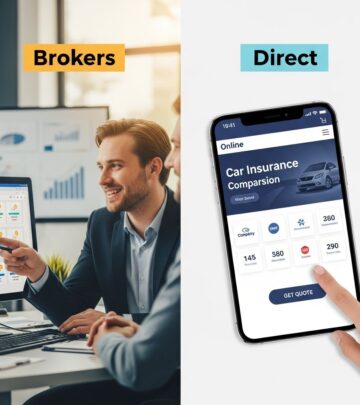
Purchasing directly through an insurance company’s website provides a straightforward approach when consumers have already identified a preferred carrier. This method offers simplicity and transparency regarding that specific company’s coverage options and pricing. However, direct purchase platforms only present one company’s offerings, requiring consumers to manually compare multiple insurers if they desire competitive analysis. This approach works well for individuals with brand loyalty or those satisfied with a company’s previous service.
Comprehensive Comparison Marketplaces
Online insurance marketplaces have emerged as increasingly popular options, aggregating quotes from multiple carriers simultaneously. These platforms function similarly to travel booking websites, allowing consumers to view dozens of options based on identical criteria. This approach dramatically reduces the time and effort required to compare rates, coverage options, and discounts across carriers. Comparison marketplaces typically provide side-by-side analysis tools, making identification of the most economical option substantially easier.
Agent-Mediated Digital Services
Many traditional insurance agents now offer digital consultation services, combining professional guidance with online convenience. This hybrid approach allows consumers to benefit from agent expertise while leveraging digital tools for faster processing. Some agencies specialize in specific niches or regions, offering tailored services despite digital delivery methods.
The Step-by-Step Digital Purchase Process
Understanding the typical workflow for online insurance acquisition demystifies what can initially seem like a complex process. Most platforms follow a consistent structure designed to collect necessary information progressively.
Initiating Your Digital Search
Begin by accessing your chosen platform’s website or application. Enter your ZIP code or state information to identify available carriers in your region, as coverage options and regulations vary by location. When searching for insurance providers, focus on official company websites rather than clicking prominent advertisements, which may represent comparison sites or third-party brokers rather than direct insurers.
Responding to Coverage Questionnaires
Digital platforms present questionnaires requesting personal information, vehicle details, and driving history. Answer these questions accurately, as dishonest responses could affect coverage validity or claim eligibility. The questionnaire typically progresses logically, building a comprehensive profile of your insurance needs. Some advanced platforms use artificial intelligence to prioritize important questions and automate routine data entry through saved profiles or synchronization services.
Reviewing Coverage Options and Customization
After providing initial information, platforms present multiple coverage tiers and policy options. Each option typically includes liability coverage (protecting against damages you cause others), comprehensive coverage (protecting against theft, weather, or vandalism), and collision coverage (protecting your vehicle in accidents). Premium prices vary based on coverage levels selected. Review the available options carefully, considering both your budget and the protection level appropriate for your vehicle and circumstances.
Comparing Deductibles and Additional Features
Digital platforms allow customization of deductible amounts—the out-of-pocket costs you’d pay before insurance coverage begins. Higher deductibles reduce monthly premiums but increase potential expenses during claims. Additionally, many platforms offer supplementary features like roadside assistance, rental car coverage, or gap insurance. Evaluate these options based on your specific needs and risk tolerance.
Applying Discount Opportunities
Modern insurance platforms identify available discounts based on information provided during the application process. Common discounts include multi-policy bundling, safety feature discounts (for vehicles with anti-theft devices or GPS trackers), good driver discounts, and low-mileage discounts. Some platforms automatically apply applicable discounts, while others require manual selection. Carefully review available savings before finalizing your purchase.
Completing Payment and Policy Activation
Once you’ve selected a policy, choose your preferred payment method to complete the transaction. Digital platforms typically accept credit cards, debit cards, and electronic bank transfers. Many offer discounts for automatic payment setup or full-policy prepayment. After successful payment processing, the platform instantly generates your proof of insurance card—a document required by law when driving. Download, print, or save this card to your mobile device for immediate access.
Comparing Insurance Options Strategically
Effective comparison extends beyond simply selecting the lowest price. A comprehensive approach considers multiple factors that directly impact your insurance experience.
| Comparison Factor | Why It Matters | How to Evaluate |
|---|---|---|
| Coverage Types | Different policies emphasize different protections | Compare liability limits, comprehensive coverage, collision options |
| Discount Availability | Discounts dramatically affect final costs | Note all applicable discounts each insurer offers |
| Deductible Flexibility | Affects both premiums and out-of-pocket expenses | Calculate total cost (premium plus potential deductible) |
| Claims Processing | Determines satisfaction during stressful incidents | Research customer reviews and claims satisfaction ratings |
| Digital Tools | Impacts convenience for policy management | Check for mobile apps, online claims, document access |
Understanding Payment Structures and Terms
Insurance policies operate under specific payment frameworks that consumers should understand before committing to purchase. Most carriers offer policy terms of either six or twelve months, with different payment options available for each term length. Some companies provide discounts for paying the entire policy term upfront, while others offer incentives for setting up automatic monthly payments. Understanding these structures allows you to select the approach best suited to your financial situation and preferences.
Key Advantages of Digital Insurance Acquisition
- 24/7 Accessibility: Online platforms operate continuously, allowing policy acquisition at any hour without business hour restrictions
- Rapid Quote Generation: Instant comparison quotes take minutes rather than hours or days with traditional methods
- Comprehensive Comparison: Comparison marketplaces allow simultaneous evaluation of dozens of carriers
- Personalization Options: Digital tools enable detailed customization of coverage and deductibles
- Immediate Documentation: Proof of insurance generates instantly upon purchase completion
- Transparent Pricing: Online platforms display exact costs before commitment, eliminating surprise fees
- Convenient Management: Digital accounts allow policy adjustments, payment tracking, and claims filing online
Important Considerations Before Purchasing
While digital insurance offers substantial convenience, several factors deserve careful attention to ensure optimal selection.
Accuracy of Information: Ensure all details provided during the application process match your actual driving history and vehicle specifications. Inaccuracies could complicate future claims or result in policy cancellation.
Coverage Adequacy: Resist the temptation to select coverage levels based solely on cost. Insufficient coverage could leave you financially vulnerable following accidents or other incidents. Consider your financial situation and risk tolerance when determining appropriate protection levels.
Policy Term Comparisons: When comparing quotes across platforms, ensure all comparisons reflect identical policy terms, coverage levels, and deductibles. Slight variations can dramatically affect comparison accuracy.
Claims Support Evaluation: Research how carriers handle claims processing before purchasing. Some companies offer superior digital claims filing or faster processing times. Customer satisfaction ratings regarding claims handling provide valuable insights.
Frequently Asked Questions About Digital Insurance Purchasing
Is it safe to provide personal information on insurance websites?
Reputable insurance company websites and established comparison platforms employ encryption and security measures protecting sensitive information. Verify website security by checking for “https://” in the URL and looking for security badges. Avoid entering information on suspicious or poorly designed websites.
How quickly can I obtain coverage after online purchase?
Most digital platforms provide instant policy activation upon payment completion. Your proof of insurance card downloads immediately, allowing you to drive legally within minutes of purchase. This represents a significant advantage over traditional methods requiring processing delays.
Can I modify my policy after online purchase?
Yes, digital platforms typically allow modification of coverage, deductibles, and other policy details through online account management. Changes generally take effect immediately or on your specified date.
What happens if I need to file a claim?
Most insurers now offer online and mobile app-based claims filing, allowing documentation submission without phone calls or office visits. Claims representatives typically contact you to discuss details and initiate the settlement process.
Optimizing Your Digital Insurance Experience
Maximize the benefits of online insurance acquisition through strategic planning and attention to detail. Schedule dedicated time for comparison shopping rather than rushing through the process. Use comparison tools systematically, noting all discounts and options before making final decisions. Save your digital proof of insurance in multiple locations—printed copies, mobile wallet storage, and email—ensuring accessibility whenever needed.
The digital transformation of insurance purchasing represents a genuine advancement in consumer convenience. By understanding available platforms, gathering necessary information in advance, and approaching comparison strategically, individuals can secure appropriate coverage efficiently while potentially achieving significant cost savings.
References
- Buy Instant Car Insurance Online — Nationwide. Accessed 2026. https://www.nationwide.com/lc/resources/auto-insurance/articles/car-insurance-online
- How to Buy Car Insurance in 6 Steps — Policygenius. 2024. https://www.policygenius.com/auto-insurance/how-to-buy-car-insurance/
- How to Get Car Insurance — NerdWallet. https://www.nerdwallet.com/insurance/auto/learn/how-to-buy-car-insurance
- How to Shop for Car Insurance — Progressive. https://www.progressive.com/answers/how-to-shop-car-insurance/
- 4 Tips for Buying Car Insurance Online — TruStage. https://www.trustage.com/learn/property-insurance/buying-car-insurance-online
- How to Shop for Car Insurance Online — Allstate. https://www.allstate.com/resources/car-insurance/buying-car-insurance-online
Similar Articles








Read full bio of medha deb