Digital Banking Revolution: Benefits and Drawbacks
Explore the advantages and limitations of neobanking in today's financial landscape
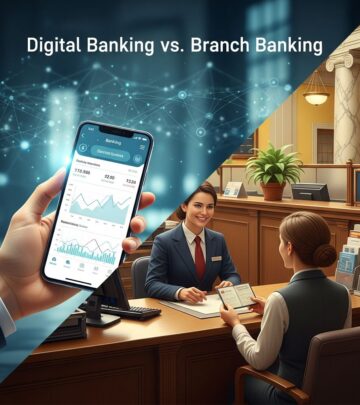
The financial services landscape has undergone a dramatic transformation over the past decade. Traditional brick-and-mortar banking institutions now compete with cloud-based financial platforms that operate entirely through mobile applications and web interfaces. These digital-first companies, commonly referred to as neobanks, have fundamentally reshaped how millions of people manage their finances. However, like any financial solution, neobanks present both compelling advantages and notable limitations that prospective users should carefully evaluate before making the transition from conventional banking.
Understanding the Neobanking Ecosystem
Before examining the specific advantages and disadvantages of neobanking, it is essential to understand what distinguishes these platforms from traditional financial institutions. A neobank is a fintech company that delivers comprehensive banking services exclusively through digital channels, operating without physical branch networks or, in most cases, without holding its own banking license. Instead of maintaining full banking infrastructure, most neobanks operate under the Banking-as-a-Service (BaaS) model, partnering with licensed banks that handle regulatory compliance, deposit holding, and FDIC insurance protection. This operational structure enables neobanks to focus resources on user experience design, technological innovation, and customer-centric features rather than navigating the complex regulatory requirements associated with traditional banking charters.
The Advantages: Why Users Are Embracing Digital Banking
Significantly Lower Fee Structures
One of the most compelling reasons consumers migrate to neobanks involves the dramatically reduced fee environment. Traditional banks often impose monthly maintenance fees, overdraft charges, transfer fees, and minimum balance requirements that accumulate throughout the year. Neobanks fundamentally restructure their pricing models, typically offering checking and savings accounts with zero monthly maintenance fees. Many platforms have eliminated overdraft fees entirely or replaced them with transparent, flat-rate alternatives. This fee-conscious approach particularly benefits cost-conscious consumers, students, and individuals living paycheck-to-paycheck who previously watched small charges erode their account balances.
Streamlined Account Opening and Verification
The traditional account opening process at conventional banks can consume hours and involve extensive paperwork. Neobanks have reimagined this experience through fully automated digital onboarding workflows. Users can complete account setup, identity verification, funding, and debit card activation entirely within a mobile application in just minutes. Advanced image processing technology verifies identity documents and checks automatically through smartphone camera capture. This elimination of friction dramatically reduces barriers to entry, particularly for tech-savvy consumers and those in remote areas lacking convenient branch access.
Superior Mobile-First User Experience
Neobanks were born in the digital age and therefore design their platforms with mobile-first principles embedded throughout. The user interface is typically cleaner, more intuitive, and faster than legacy banking apps that layer modern features onto decades-old backend systems. Users can execute virtually all banking functions directly through the mobile application—deposits, transfers, bill payments, balance inquiries, and card management—without requiring phone support or branch visits. The seamless mobile experience extends to check deposits through photo capture technology, real-time balance tracking, and instant transaction notifications.
Advanced Financial Analytics and Budgeting Tools
Many neobanks integrate sophisticated financial analysis capabilities that empower users to understand their spending patterns and improve financial habits. Automatic spending categorization analyzes transactions and organizes them into meaningful categories such as dining, entertainment, travel, and subscriptions. Users receive personalized insights about their cash flow trends and can identify opportunities for expense reduction. Some platforms offer automated savings rules that transfer predefined amounts to separate savings accounts or “pockets” following direct deposits or specific purchase triggers, making consistent saving effortless. These built-in financial management tools often rival or exceed those offered by traditional banks.
Rapid Peer-to-Peer and International Transfers
Sending money to friends, family members, or international recipients has historically involved delays, high fees, and complex processes. Neobanks have streamlined these transactions through instant peer-to-peer (P2P) and account-to-account (A2A) transfer capabilities. Users can transfer funds by providing account numbers, email addresses, or phone numbers with transactions settling nearly instantaneously. International remittance services support diverse currencies and eliminate many intermediaries that traditionally inflated transfer costs. This capability particularly benefits freelancers, remote workers, and individuals with international financial obligations.
Enhanced Security and Fraud Protection
Modern neobanks employ cutting-edge artificial intelligence and machine learning technologies to detect fraudulent activities faster than traditional human analysts. These AI-driven systems identify anomalies in transaction patterns and flag suspicious activities in real time, protecting customers from sophisticated scams while maintaining frictionless user experiences. Additionally, neobanks provide instant digital card freezing capabilities through mobile apps, enabling customers to deactivate compromised cards immediately without waiting for physical replacement processes. Some platforms implement multi-factor authentication approaches, geofencing for large transactions, and trusted contact verification systems that add layers of security without creating friction.
Flexible Subscription and Bill Management
Many consumers struggle to track recurring subscription charges that accumulate silently across various services. Neobanks address this pain point through integrated subscription management dashboards that display all recurring bills and charges. Users can effortlessly cancel unwanted subscriptions, adjust billing frequencies, or optimize payment schedules directly from their banking app. This transparency helps prevent wasteful spending and simplifies financial administration.
The Disadvantages: Limitations and Considerations
Restricted Product and Service Offerings
While neobanks excel at delivering core banking services, they typically lack the comprehensive product suites available through full-service traditional banks. Most neobanks focus on checking accounts, savings accounts, debit cards, and payment services. Consumers seeking personal loans, business lending, mortgages, investment accounts, or credit cards often must look elsewhere, as many neobanks do not offer these products. This limitation requires users to maintain relationships with multiple financial institutions, complicating financial consolidation and management.
Limited Customer Support Infrastructure
Traditional banks offer multifaceted customer support through phone lines, branch staff, and digital channels. Most neobanks operate digital-first support systems exclusively, relying on live chat, email, and chatbots. While these channels often provide competent assistance, they may not adequately serve customers requiring complex financial guidance or those who prefer conversational phone support. Individuals facing account issues or complicated situations may experience longer resolution times compared to traditional banking environments where specialized staff members can address problems comprehensively.
Reduced Personalization and Financial Advisory Services
Traditional banks employ relationship managers and financial advisors who develop personalized strategies aligned with individual circumstances, goals, and risk profiles. Neobanks, operating at scale through automated systems, typically cannot provide this level of personalization. Consumers seeking guidance on retirement planning, investment strategies, or complex financial situations will not find comprehensive advisory services through most neobanking platforms. The technology-driven approach, while efficient, lacks the human touch that some customers value.
Variable FDIC Protection Structures
While reputable neobanks partner with FDIC-insured institutions and display insurance signage within their applications, the insurance structure differs from direct bank relationships. Some platforms use multiple partner banks to extend coverage beyond standard FDIC limits, but this complexity requires users to understand their specific coverage levels. Consumers must verify that their neobank genuinely provides FDIC protection rather than assuming it automatically applies.
Regulatory Uncertainty and Institutional Instability
The neobanking sector remains relatively young, and regulatory frameworks continue evolving globally. While established neobanks maintain strong operational standards, emerging platforms may lack the institutional stability and regulatory oversight of century-old traditional banks. Customer concerns about platform discontinuation, partner bank relationships changing, or regulatory interventions remain valid considerations, particularly for new or less-established neobanks.
Limited Access to Credit and Wealth-Building Products
Traditional banks serve as primary credit providers through personal loans, mortgages, and credit cards. Most neobanks cannot originate loans or extend credit lines, limiting their utility for customers building credit histories or seeking financing for major purchases. Users cannot consolidate their credit-building activities within a single neobanking platform, requiring external relationships for credit access.
Technology Dependency and Digital Divide Concerns
Neobanks require stable internet connectivity and smartphone access. Individuals lacking reliable internet infrastructure or comfort with technology face barriers to accessing these services. Additionally, older consumers or those preferring human interaction may find the fully digital model unsatisfying or frustrating.
Comparative Analysis: Neobanks Against Traditional and Digital Banks
| Factor | Neobank | Digital Bank | Traditional Bank |
|---|---|---|---|
| Licensing Structure | Fintech without own license; partnerships via BaaS | Fully licensed bank | Full banking license and charter |
| Fee Environment | Low, transparent, subscription-based | Varies; may include maintenance or overdraft fees | Higher fees; multiple charge categories |
| Account Setup | Fully online, minutes | May involve manual review | Branch or online, potentially hours |
| Core Services | Checking, savings, cards, payments | Full suite including loans and investments | Comprehensive products and credit |
| User Experience | Mobile-first, clean interface | Functional but legacy systems | Improving but often outdated |
| Innovation Speed | Agile, rapid feature deployment | Slower but battle-tested | Slowest; regulatory-bound |
| Customer Support | Digital-only: chat, email, bots | Hybrid: phone, branch, digital | Extensive: phone, branch, specialists |
Strategic Considerations for Potential Users
Evaluating Your Financial Needs
Prospective neobank users should honestly assess their financial requirements. Individuals whose banking needs center on checking, savings, and straightforward payments benefit tremendously from neobanks. However, those requiring loans, investment management, or comprehensive financial advisory services should either combine a neobank with complementary financial institutions or remain with traditional providers offering complete service ecosystems.
Technology Comfort and Accessibility
Successful neobank experiences require comfort with technology and reliable internet access. Individuals struggling with digital platforms or lacking consistent connectivity should carefully consider whether a fully digital banking model aligns with their capabilities and circumstances.
Security and Institutional Trust
While modern neobanks maintain strong security standards, users should verify FDIC insurance structures, review platform security certifications, and assess the financial health and regulatory standing of partner institutions. Established neobanks with years of operational history present lower risk profiles than newer entrants.
Frequently Asked Questions
Are neobank deposits truly protected by FDIC insurance?
Yes, deposits at reputable neobanks are protected through FDIC insurance provided by their licensed partner banks, typically up to $250,000 per account. However, coverage structures vary by platform, and users should verify their specific coverage levels through their neobank’s transparency tools.
Can I obtain loans through a neobank?
Most traditional neobanks cannot originate loans or extend credit lines. Some platforms partner with lenders to offer limited credit products, but comprehensive loan services typically remain unavailable through neobanks.
What happens if my neobank’s partner bank fails?
FDIC insurance protects deposits even if partner banks fail, ensuring customers retain access to their funds. Additionally, most neobanks work with multiple partner institutions to diversify institutional risk.
Are neobanks suitable for business banking?
Yes, many neobanks now offer specialized business accounts with automated payroll, expense management, and tax categorization features designed for small business owners. These platforms streamline administrative work and provide features tailored to entrepreneurial needs.
How do neobanks generate revenue if fees are so low?
Neobanks earn revenue through debit card interchange fees, premium subscription tiers offering enhanced features, cryptocurrency trading commissions, and partnerships with fintech services integrated into their platforms. This diversified revenue model enables low customer fees while maintaining profitability.
The Future Landscape of Digital Banking
As the neobanking sector matures, the distinction between neobanks, digital banks, and traditional banks continues blurring. Established neobanks are expanding product offerings, traditional banks are enhancing digital capabilities, and the competitive landscape intensifies. By 2026, consumers can expect continued innovation in AI-driven financial management, cryptocurrency integration, and business banking features across platforms.
The neobanking revolution represents a fundamental democratization of financial services. By eliminating geographical limitations, reducing fees, and prioritizing user experience, these platforms have extended sophisticated banking capabilities to populations previously underserved by traditional institutions. However, neobanks function best as components of comprehensive financial strategies rather than complete replacements for traditional banking relationships. Informed consumers who understand both the compelling advantages and genuine limitations of neobanks can leverage these platforms strategically to optimize their financial management while maintaining access to products and services that neobanks do not provide.
References
- Essential Features for Neobanks in 2026: Revolutionizing Banking — SoftJourn Insights. 2026. https://softjourn.com/insights/essential-features-for-neobanks
- What is a Neobank? Key Differences from Digital Banks in 2026 — Innowise. 2026. https://innowise.com/blog/neobank-guide/
- What Is a Neobank? Definition, Examples, and Market Trends — InnReg. 2026. https://www.innreg.com/blog/what-is-a-neobank
- What Is a Neobank? Your Complete 2026 Guide — Recharge.com. 2026. https://www.recharge.com/blog/en-gb/what-is-a-neobank-your-complete-2026-guide
- What is a Neobank? How fintech is transforming banking — Plaid. 2026. https://plaid.com/resources/fintech/what-is-a-neobank/
Similar Articles








Read full bio of Sneha Tete