Digital Banking Capabilities: Comparing Modern Financial Institutions
Explore how modern digital banks stack up against established financial institutions.
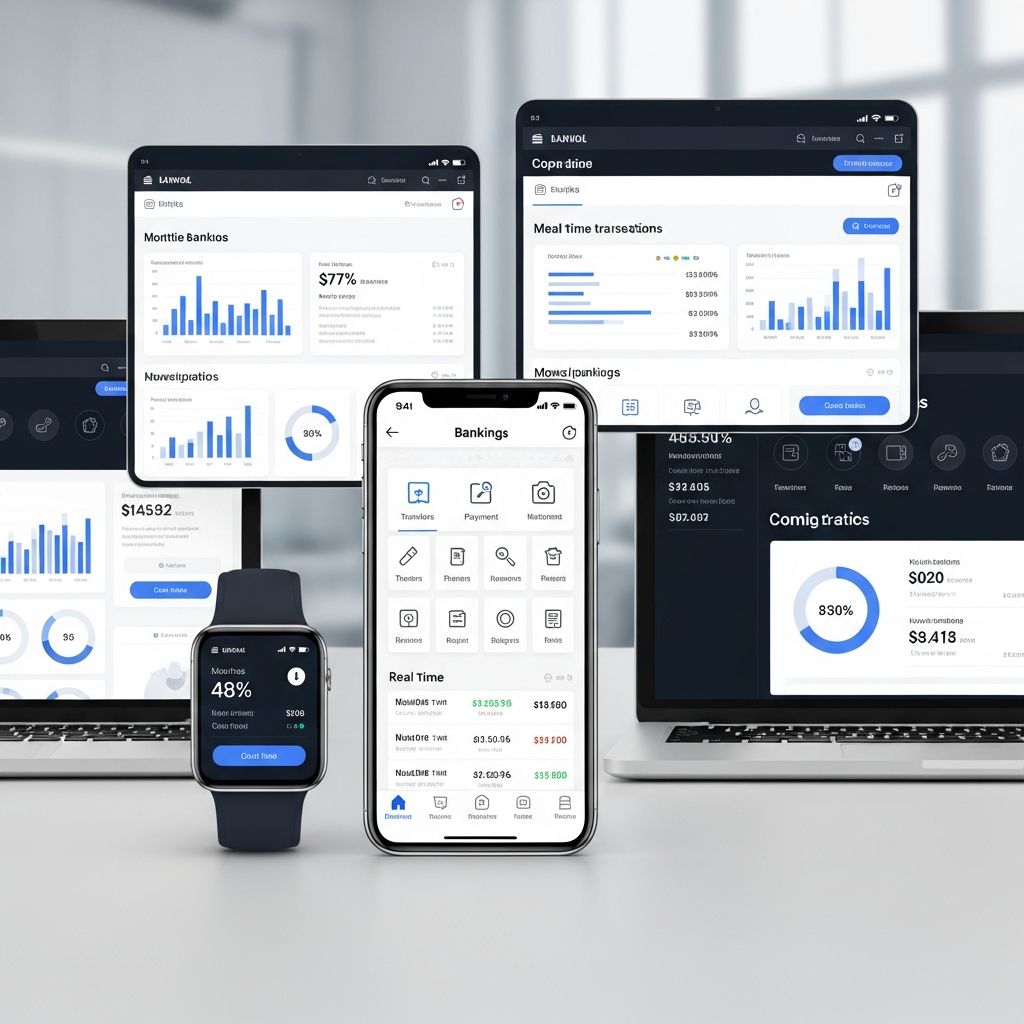
The banking landscape has undergone a significant transformation over the past decade, with digital-first institutions challenging the traditional banking model. Understanding the functional differences between these two approaches helps consumers and businesses make informed decisions about where to place their financial trust and deposits.
The Fundamental Distinction Between Banking Models
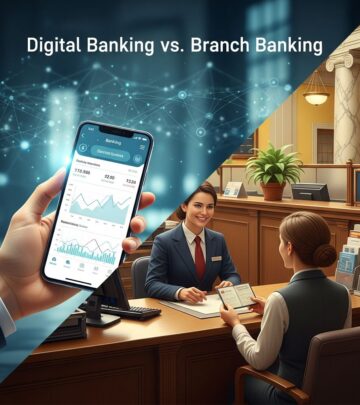
The primary distinction between digital banking platforms and conventional financial institutions lies in their operational infrastructure. Traditional banks maintain extensive networks of physical branch locations where customers conduct face-to-face transactions, while digital-first banks operate entirely through web-based and mobile platforms. This architectural difference creates ripple effects throughout the entire customer experience, from fee structures to available services.
Traditional banks employ substantial staff across multiple locations and invest heavily in real estate, branch maintenance, and physical security systems. Digital banking institutions eliminate these overhead expenses by consolidating operations into centralized digital infrastructure. The financial savings generated by this streamlined approach often translate into tangible benefits for customers through lower fees and more competitive interest rates.
Interest Rate Advantages in the Digital Banking Sector
One of the most compelling reasons customers migrate to digital banking platforms involves interest rate differentials. Digital banks consistently offer substantially higher annual percentage yields on both savings and checking accounts compared to their traditional counterparts.
Consider a practical comparison: traditional banks frequently pay 0.01% on business savings accounts, while digital banks regularly offer rates between 0.5% and 2.0% or higher depending on market conditions. For a business maintaining a $50,000 balance, this difference translates to earning approximately $250 annually at digital bank rates versus just $5 at traditional rates—a differential that effectively covers an entire year of traditional banking fees.
This advantage extends across personal accounts as well. A customer with $10,000 saved at a traditional bank earning 0.01% APY would accumulate merely $1 in interest over twelve months. The same deposit at a digital bank offering competitive rates could generate substantially more earnings, making the choice particularly significant for those with larger account balances.
Fee Structure and Transparency Comparison
Digital banking institutions have revolutionized fee transparency in the financial services industry. These platforms typically eliminate or substantially reduce traditional banking fees that accumulate throughout the year.
- Monthly maintenance fees: Digital banks generally waive these charges entirely, while traditional banks often assess $10-15 monthly
- Minimum balance requirements: Digital platforms typically eliminate these thresholds, removing financial barriers to account opening
- ATM fees: Many digital banks reimburse out-of-network ATM charges, while traditional banks assess fees ranging from $2-5 per transaction
- Overdraft fees: Digital banks frequently offer more favorable overdraft policies or eliminate these charges altogether
- Wire transfer costs: Digital platforms often charge lower fees for domestic and international transfers
Traditional banks maintain more complex, sometimes opaque fee structures that can confuse customers and result in unexpected charges. Digital institutions have prioritized fee transparency as a competitive differentiator, clearly communicating all costs upfront.
Loan Products and Borrowing Rates
Beyond deposit accounts, digital banking platforms have extended competitive advantages into lending products. Personal loans through digital banks frequently feature rates below 6%, while traditional bank personal loans average above 10%. Some digital banking providers, such as Marcus by Goldman Sachs, offer personal loans with zero origination fees, further reducing borrowing costs for customers.
This pricing advantage reflects the efficiency gains digital banks realize through automated underwriting systems and reduced administrative overhead. The lower borrowing costs make digital banks particularly attractive for consumers seeking personal loans, home equity lines of credit, or other credit products.
Technology Integration and Business Banking Features
Digital banking platforms excel at integrating modern technological capabilities directly into core banking functionality. These systems automatically categorize transactions without manual entry, provide real-time analytics dashboards displaying cash flow patterns, and incorporate budgeting features that track spending against customer-defined targets.
For business customers, the integration ecosystem represents a significant competitive advantage. Digital banks offer seamless connections to popular accounting software platforms including QuickBooks, Xero, and FreshBooks, eliminating the manual transaction entry that traditionally consumed hours of bookkeeping time. Advanced digital banks provide API access that enables tech-savvy businesses to construct custom workflows, generate specialized reports, and create unified dashboards incorporating payment platforms like Stripe and PayPal.
These integrations fundamentally reduce the administrative burden associated with financial management, allowing business owners to focus on core operations rather than bookkeeping tasks.
Security Infrastructure and Regulatory Protection
A common concern among consumers considering digital banking involves security and deposit protection. Research demonstrates that reputable digital banking institutions implement security measures that match or exceed traditional bank standards. Military-grade encryption protects data transmission, multi-factor authentication requires both passwords and secondary verification methods, and real-time fraud monitoring systems identify suspicious transactions within seconds, frequently blocking fraudulent charges before they clear.
Federal deposit insurance coverage extends identical protection across both banking models. The FDIC insures deposits up to $250,000 per depositor at both traditional and digital banks, with the federal agency making no distinction between institutions with physical branches and purely digital platforms. This parity in regulatory protection removes a significant barrier that previously prevented account holders from confidently transitioning their deposits to digital platforms.
Physical Banking Services and Cash Handling
Despite their technological advantages, digital banking platforms face meaningful limitations regarding physical banking services. Customers requiring regular cash deposits face challenges, as most digital banks either prohibit cash deposits or assess fees for this service. This limitation particularly affects businesses handling significant cash volume and individuals who prefer cash-based transactions.
Traditional banks maintain expansive ATM networks that enable free cash withdrawals and deposits near customers’ homes, workplaces, and travel destinations. For businesses requiring daily cash handling, nearby ATM access remains critical infrastructure. Additionally, traditional banks offer services including safe deposit boxes, notary services, and in-person financial advisory consultations that digital platforms typically cannot provide.
Customer Service Delivery Models
Customer support represents an area where traditional and digital banking models diverge significantly. Traditional banks provide immediate assistance through in-branch visits, enabling face-to-face interactions with trained financial professionals. Digital banks primarily deliver support through digital channels including website FAQs, email correspondence, live chat functionality, and telephone support.
This structural difference creates trade-offs: digital banks offer 24/7 availability and rapid response through automated systems, while traditional banks provide personalized expertise through human interaction. Customers preferring direct human assistance for complex financial matters may find traditional banking relationships more satisfactory, while those comfortable with self-service and digital support channels appreciate digital banks’ accessibility.
Account Opening and Onboarding Experience
Digital banking platforms have dramatically accelerated the account opening process. Many digital banks enable customers to establish fully functional accounts within 5-10 minutes through mobile applications, requiring minimal documentation and no branch visits. Traditional banks typically require 2-5 days for account establishment, often necessitating in-person branch visits to complete identity verification procedures.
This speed differential reflects the technological sophistication digital banks have embedded into their operational infrastructure. Automated identity verification systems, real-time background checks, and digital document submission eliminate the bottlenecks that characterize traditional account opening processes.
Mobile and Digital Experience Capabilities
Digital banking platforms inherently prioritize mobile-first design, with sophisticated applications serving as the primary interface for all customer interactions. These applications incorporate AI-driven personalization features, real-time spending insights, and gamified reward systems that encourage user engagement.
Traditional banks have invested substantially in digital capabilities to compete with digital-native institutions, enabling online banking services for existing customers. However, these digital offerings frequently operate as supplementary features built atop legacy infrastructure rather than foundational design principles. This architectural difference results in traditional bank applications sometimes featuring slower performance and less intuitive user experiences compared to digital-first platforms.
Trust, Reputation, and Customer Satisfaction
Traditional banks leverage decades of establishment and regulatory oversight to maintain strong customer trust and perceived security. Digital banking institutions, while increasingly regulated and insured identically to traditional banks, continue building trust through transparent operations and consistently positive customer experiences.
Recent data indicates that digital banking customers report higher satisfaction rates compared to traditional bank customers, with digital banking platforms achieving 92% customer satisfaction compared to 76% for traditional institutions. This satisfaction differential reflects the cumulative impact of superior interest rates, lower fees, faster transactions, and more intuitive technology platforms.
Selecting the Appropriate Banking Model
The optimal banking choice depends on individual circumstances and priorities:
- For rate-focused savers: Digital banks offer compelling advantages through superior interest rates on deposit products
- For fee-conscious customers: Digital banks typically provide lower overall annual costs through reduced or eliminated charges
- For cash-dependent users: Traditional banks provide essential ATM networks and deposit capabilities
- For complex financial needs: Traditional banks offer personalized advisory services and comprehensive physical banking solutions
- For technology-oriented users: Digital banks provide superior digital experiences and integration capabilities
- For business owners: Digital banks offer advanced accounting integration and automated financial management tools
The Evolving Banking Landscape
The distinction between banking models continues evolving as traditional institutions enhance digital capabilities and digital platforms expand their service offerings. Many customers utilize hybrid approaches, maintaining relationships with both traditional and digital banks to leverage the particular strengths each model offers. As technology adoption accelerates and competitive pressures mount, the gap between banking models narrows, though fundamental differences in fee structures, interest rates, and service delivery approaches persist.
Digital banking has fundamentally demonstrated that customers value transparency, competitive rates, accessible technology, and lower costs. Traditional banks increasingly recognize these preferences and continue modernizing operations accordingly, creating a banking environment where customers benefit from continuous innovation and competitive improvement across all segments.
References
- Online vs. Traditional Banking: Differences, Pros, and Cons — Brex. 2026. https://www.brex.com/spend-trends/business-banking/online-banking-vs-traditional-banking
- Brick-And-Mortar Banks Vs. Online Banks: Pros And Cons — Bankrate. 2026. https://www.bankrate.com/banking/savings/online-vs-brick-and-mortar-banks/
- FinTech vs Traditional Banks: Growth & CX Shift 2026 — Novus Loyalty. 2026. https://www.novus-loyalty.com/blog/fintech-growth-vs-traditional-banks/
- Neo Banks vs Traditional Banks vs Fintechs: The Complete 2026 Comparison — Bleap Finance. 2026. https://www.bleap.finance/blog/neo-banks-vs-traditional-banks-vs-fintechs
- Online Banks vs. Traditional Banks: Pros & Cons in 2026 — Breeze. 2026. https://www.meetbreeze.com/blog/online-banks-vs-traditional-banks/
- Best Online Banks of 2026 Compared — Chime. 2026. https://www.chime.com/blog/best-online-banks-2026/
Similar Articles








Read full bio of Sneha Tete