Finance vs Economics: Key Differences Explained
Understand the fundamental distinctions between finance and economics and how they interconnect.
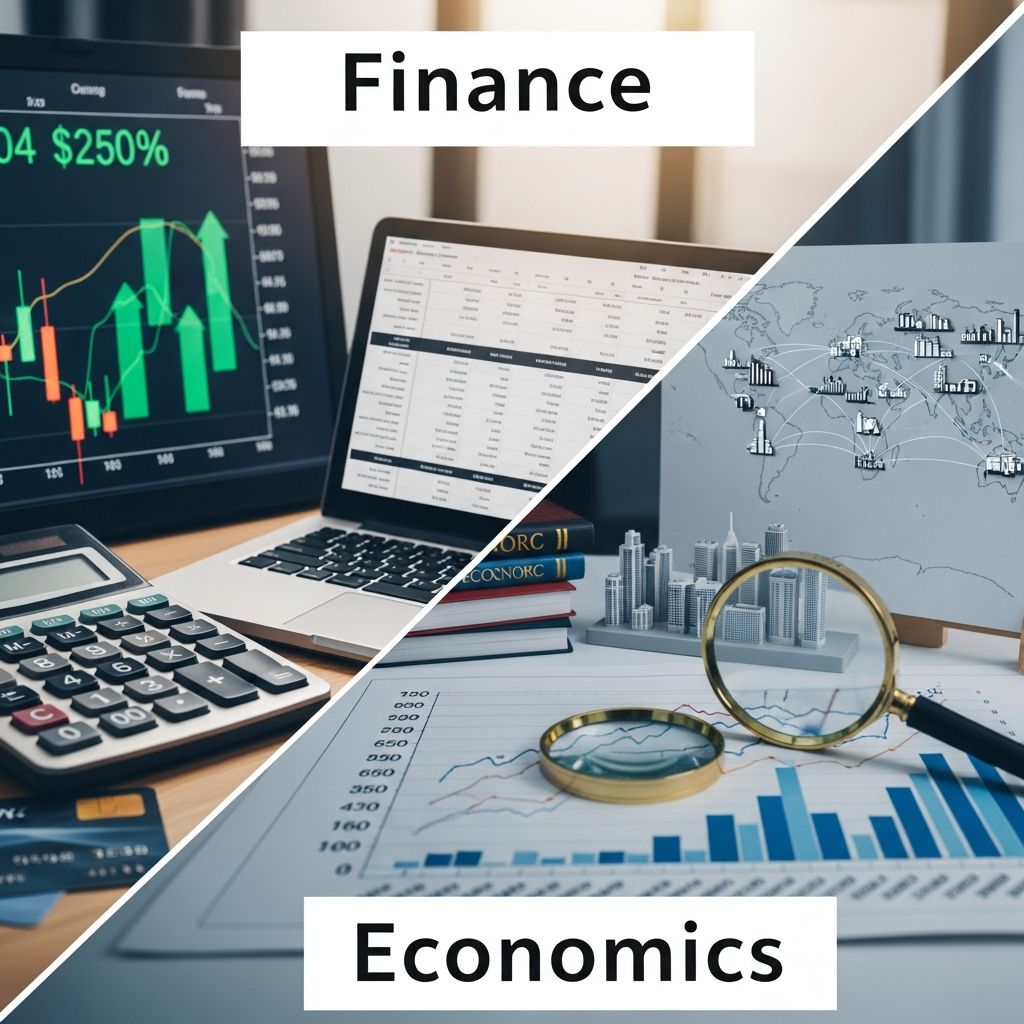
Understanding Finance and Economics
Finance and economics are often taught as separate subjects in academic institutions, yet they represent interrelated disciplines that profoundly influence one another in numerous ways. While many people use these terms interchangeably, they have distinct meanings, applications, and focuses that are important to understand for investors, business professionals, policymakers, and anyone seeking financial literacy. This comprehensive guide explores the fundamental differences between these two fields, their relationship, career opportunities, and practical implications in the modern economy.
What is Economics?
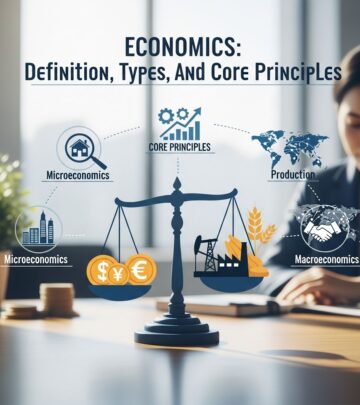
Economics is fundamentally a social science that examines the production, consumption, and distribution of goods and services across society. Rather than focusing narrowly on money management, economics takes a broader perspective on human behavior, resource allocation, and societal interactions. It studies how individuals, households, businesses, and governments make decisions about resource allocation when faced with scarcity and unlimited wants.
The discipline encompasses several critical areas including inflation, recession, supply and demand dynamics, employment levels, and economic growth. Economics also explains fundamental governmental functions such as how governments tax their citizens and spend revenues. Beyond these practical applications, economics provides a valuable analytical framework for understanding how policy decisions and external events can influence business conditions, competitive landscapes, and market dynamics. This makes economics an indispensable tool for investors analyzing companies and markets.
The Scope of Economics
Economics addresses macroeconomic questions such as how entire nations are performing economically, what drives national growth, and how monetary and fiscal policies affect populations. It examines inflation trends, unemployment rates, gross domestic product (GDP), and the overall health of national and international economies. Economists study the incentives that drive human behavior, the consequences of policy decisions, and how markets function at scale.
Career Paths in Economics
Professional economists typically pursue careers in teaching and academic research, where they contribute to our understanding of economic principles and test new theories. However, economists are also highly valued in the private sector. Banks and major corporations actively employ economists to forecast critical metrics including economic growth rates, inflation trajectories, interest rate movements, and employment trends. These forecasts help organizations make informed strategic decisions and allocate capital effectively. Many investors and financial professionals monitor economic analyses closely to inform their investment strategies, though not all market participants place equal weight on economist predictions.
What is Finance?
Finance, in many respects, represents an offshoot or specialized application of economic principles. While economics examines broad societal systems, finance narrows its focus to the study of money, prices, interest rates, money flows, and financial markets specifically. Finance is fundamentally concerned with how financial assets are priced, how capital is allocated, and how risks are managed in a monetary economy.
The stakes in finance are extraordinarily high, with billions of dollars contingent on accurate pricing of loans, investments, and insurance products. Finance provides the analytical and practical means to understand pricing mechanisms and calculate the valuation of future cash flows. This capability is essential for investors and business managers who must evaluate investment proposals, compare alternative uses of capital, and make allocation decisions that maximize value. Finance bridges theory and practice, providing concrete methodologies for assessing financial instruments and strategic opportunities.
The Scope of Finance
Finance encompasses the practical management and analysis of monetary resources. It involves understanding how markets price securities, how interest rates are determined, how capital flows through financial systems, and how investment returns are generated. Finance professionals work with specific tools and techniques designed to maximize returns, minimize risks, and optimize financial outcomes. The discipline requires deep knowledge of financial instruments, valuation models, and market mechanics.
Career Paths in Finance
Finance degrees are particularly common among professionals working on Wall Street, in investment banking, and in fund management roles. Wall Street analysts use financial expertise to research securities, evaluate companies, and make investment recommendations. Investment bankers employ finance knowledge to structure deals, value companies, and advise clients on mergers and acquisitions. Fund managers use financial analysis to select investments and construct portfolios. Commercial bankers and insurance brokers also frequently have finance backgrounds, as their roles require understanding credit analysis, risk assessment, and product valuation. Finance professionals often become leading figures in their organizations, as the ability to accurately value assets and manage capital effectively drives profitability and shareholder value.
Key Differences Between Finance and Economics
Focus and Scope
Historically, economics has been more concerned with the big picture—understanding how entire countries and regions are performing economically. Economics examines national factors like GDP growth, unemployment rates, inflation, and aggregate demand. Finance, conversely, focuses on companies, industries, and individual financial instruments. While an economist might analyze why unemployment is rising nationally, a finance professional focuses on how a specific company’s profitability might be affected and how this impacts stock valuation.
Methodology and Application
Economics is primarily descriptive and analytical, seeking to understand economic phenomena and predict future trends based on theoretical models and empirical data. Finance is more prescriptive and practical, applying theories to make specific financial decisions. An economist produces forecasts about future economic conditions; a finance professional uses those forecasts (or develops their own) to decide whether to buy or sell a security.
Time Horizon
Economics often examines long-term trends and structural changes in economies. Finance frequently operates on shorter time horizons, particularly in trading and investment contexts where decisions must be made based on current market conditions and near-term expectations.
Complexity and Interconnection
While the two disciplines have distinct focuses, individuals with strong economics backgrounds have made some of the most notable achievements in finance. Economic theory provides the intellectual foundation for financial models and frameworks. Financial markets themselves serve as important mechanisms through which economic policies are transmitted and economic expectations are revealed.
The Relationship Between Finance and Economics
How They Influence Each Other
Finance and economics are deeply interconnected despite their different focuses. Economic conditions directly influence financial markets—recessions typically depress stock prices, while strong economic growth often produces rising market values. Conversely, financial market dynamics can influence economic activity; stock market crashes can reduce consumer wealth and spending, potentially triggering economic slowdowns.
Central banks represent a key intersection of economics and finance. Their monetary policy decisions, influenced by economic analysis, directly affect interest rates, credit availability, and financial market conditions. When the Federal Reserve raises interest rates to combat inflation (an economic decision), this directly impacts bond prices, mortgage rates, and the attractiveness of stocks relative to fixed-income securities (financial market consequences).
The 2020 Pandemic as a Case Study
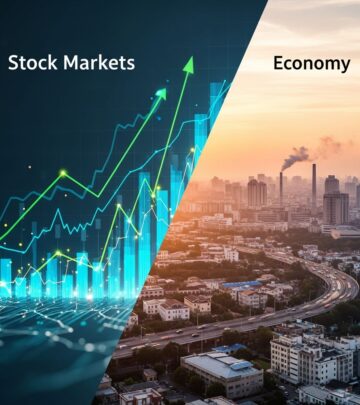
The 2020 pandemic highlighted the important distinction between economics and finance. During the initial pandemic shock, the stock market experienced significant declines. However, as central banks and governments implemented massive stimulus measures, financial markets recovered substantially. Yet the economic recovery was much slower and more uneven. Millions of Americans lost jobs and income sources. The disconnect demonstrated a critical reality: the stock market (a financial measure) and the economy (which affects Main Street) do not always move in lockstep.
While central bank interventions bolstered financial markets, they did not prevent widespread job losses or immediately stimulate consumer spending and economic growth. This illustrated how policy interventions designed to support financial systems may not fully address underlying economic weaknesses. It also demonstrated that financial wealth (reflected in rising investment portfolios for existing investors) can diverge substantially from earned income and employment conditions for working people.
Practical Implications for Investors and Businesses
Investment Decision Making
Successful investors and portfolio managers must understand both economics and finance. Economic analysis helps investors anticipate future business conditions, earnings trends, and market-wide factors. Finance provides the tools to value securities based on these expectations and identify mispricings in the market. A comprehensive investment approach integrates economic forecasting with financial valuation techniques.
Business Strategy
Corporate managers benefit from understanding both disciplines. Economic analysis helps them anticipate changes in their competitive environment, customer demand, and regulatory landscape. Financial analysis helps them evaluate strategic options, assess capital expenditure proposals, and allocate resources to maximize shareholder value. The interplay between macro-level economic forces and micro-level financial decisions determines business success.
Policy and Regulation
Policymakers must balance economic and financial considerations. Government regulations often aim to protect individual investors and small businesses (Main Street), but can sometimes constrain profitability for large financial institutions (Wall Street). Conversely, policies beneficial to large corporations and financial markets may not translate into job creation, wage growth, or improved conditions for average workers. Navigating these tensions requires understanding both the economic impact and financial market implications of policy choices.
Frequently Asked Questions
Q: Can I study finance without understanding economics?
A: While finance can be studied independently, understanding economics provides crucial context for financial decision-making. Economic forecasts inform financial analysis, and economic conditions drive financial market movements. A complete understanding of finance benefits greatly from economic literacy.
Q: Why do economists and financial markets sometimes disagree?
A: Economists and financial markets operate on different time horizons and use different methodologies. Markets reflect current expectations about future conditions and immediately incorporate new information. Economists may take a longer-term perspective or emphasize structural factors that markets overlook. Markets can also be influenced by sentiment and momentum in ways that pure economic analysis wouldn’t predict.
Q: Which field offers better career prospects?
A: Both fields offer strong career opportunities, though with different trajectories. Finance typically offers higher immediate compensation, particularly in investment banking and asset management. Economics offers intellectual fulfillment through research and policy influence, along with diverse career paths in academia, government, and corporations. The choice depends on individual preferences regarding compensation, work environment, and career goals.
Q: How do central banks relate to both finance and economics?
A: Central banks operate at the intersection of economics and finance. They use economic analysis to set monetary policy, aiming to achieve objectives like price stability and full employment. These policy decisions directly affect financial markets through interest rates, liquidity, and credit conditions. Understanding central bank decisions requires knowledge of both disciplines.
Q: Can economic indicators predict financial market performance?
A: Economic indicators provide useful context for understanding financial markets, but they do not perfectly predict short-term market movements. Markets are forward-looking and incorporate economic expectations into current prices. Strong economic fundamentals support long-term market returns, but financial markets can move independently of economic data due to sentiment, technical factors, and other considerations.
Conclusion
Finance and economics, while distinct disciplines with different focuses and methodologies, are fundamentally interconnected in the modern economy. Economics provides the broader context for understanding how societies produce and distribute resources, how policies affect populations, and what macroeconomic forces drive business conditions. Finance provides specific tools and techniques for managing money, valuing assets, and making capital allocation decisions. Both have valid uses and applications, and both are important for anyone seeking to understand financial markets, make sound investment decisions, or lead organizations effectively. The most successful professionals in financial markets, business leadership, and policymaking typically combine strong knowledge of economic principles with sophisticated understanding of financial markets and valuation techniques. Rather than viewing finance and economics as competing disciplines, the most productive approach recognizes them as complementary fields that together provide comprehensive insight into how modern economies function.
References
- The Difference Between Finance And Economics — Investopedia. 2015-12-03. https://www.investopedia.com/video/play/difference-between-finance-and-economics
- Economics and Finance: A Measurement of Two Different Things — Thrive Financial Services. https://thrivefinancialservices.com/economics-and-finance/
- Macroeconomics Overview — Federal Reserve System. https://www.federalreserve.gov
Similar Articles








Read full bio of medha deb