Deutsche Mark: Germany’s Historic Currency
Explore the Deutsche Mark: Germany's iconic post-war currency and its legacy in European economic history.
Deutsche Mark: Germany’s Official Currency and Its Historical Significance
The Deutsche Mark (DM), commonly abbreviated as “D-Mark,” stands as one of the most significant currencies in modern European history. Serving as the official currency of West Germany from 1948 until 1990, and later as the currency of unified Germany until 2002, the Deutsche Mark represented far more than a medium of exchange—it embodied Germany’s economic recovery, resilience, and integration into the global financial system. Understanding the Deutsche Mark’s history provides valuable insights into post-World War II European economics and the eventual transition to the eurozone.
Understanding the Deutsche Mark: Definition and Overview
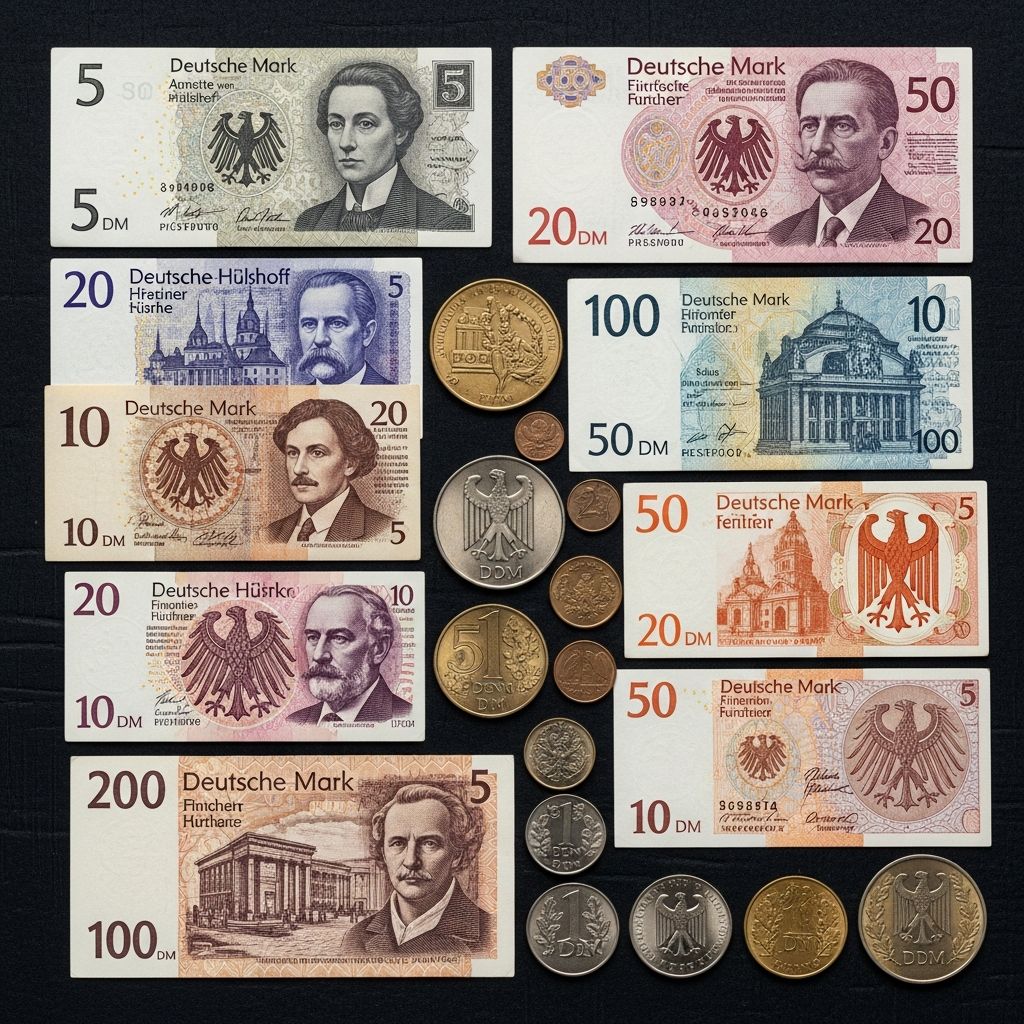
The Deutsche Mark was the official monetary unit of Germany, functioning as the country’s primary currency for over five decades. The term “Deutsche Mark” translates directly to “German mark” in English, with “DM” serving as its standard abbreviation. The currency was subdivided into 100 pfennig, making transactions across various denominations straightforward for consumers and businesses alike. The Deutsche Mark earned international recognition as a stable and reliable store of value, particularly during periods when other national currencies experienced significant inflation or depreciation.
Early History: The Evolution of the Mark in Germany
The origins of the mark as a monetary concept trace back centuries in German financial history. The term “mark” itself dates back at least to the 11th century, when it referred to a unit of weight, typically equivalent to approximately eight ounces, used primarily for measuring gold and silver. During the medieval period, the mark evolved from a simple weight measurement into a more formal unit of account, particularly employed for recording large financial transactions.
The Gold Mark Era (1873-1918)
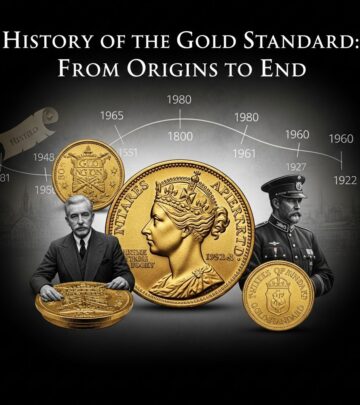
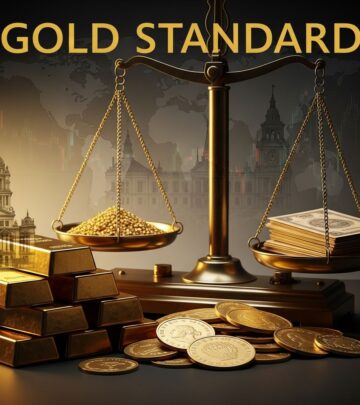
In 1873, following the establishment of the German Empire, the gold mark (Goldmark) was officially introduced as the standard currency. This currency replaced earlier monetary units such as the taler and guilder, creating unified financial standards across German states. The gold mark was established at a value of 100 pfennig and served as Germany’s primary currency through the late 19th and early 20th centuries. During this period, the mark maintained relative stability, backed by Germany’s gold reserves and industrial growth.
Hyperinflation and Currency Collapse (1918-1924)
The post-World War I period proved catastrophic for German currency. Following Germany’s defeat and the subsequent economic penalties imposed by the Treaty of Versailles, the mark experienced unprecedented hyperinflation. The currency transitioned from the gold standard, becoming what was known as the Papiermark (paper mark). By 1923, hyperinflation had reached such extreme levels that the U.S. dollar was worth approximately 4.2 billion marks. To combat this economic crisis, the Rentenmark (RM) was introduced on November 15, 1923, representing an emergency currency backed by real estate and industrial assets. This temporary measure was followed by the introduction of the Reichsmark in 1924, which provided greater stability during the subsequent Weimar and Nazi periods.
The Post-War Currency Reform: Birth of the Deutsche Mark (1948)
The Deutsche Mark’s story as a modern currency begins in 1948, emerging from the ashes of World War II. Following Germany’s unconditional surrender and the subsequent Allied occupation, the victorious powers recognized the necessity of implementing currency reform to stabilize the German economy and prevent another cycle of hyperinflation.
The June 1948 Currency Reform
On June 20, 1948, Ludwig Erhard officially introduced the Deutsche Mark as part of a comprehensive currency reform. This historic reform, managed by Edward A. Tenenbaum and a group of 11 economic experts, represented a crucial turning point in Germany’s post-war reconstruction. The reform involved a substantial exchange rate: 10 Reichsmarks were exchanged for 65 Pfennig in the new Deutsche Mark currency. Additionally, each German citizen received a per capita allowance of DM 60, distributed in two installments of DM 40 and DM 20, effectively providing immediate liquidity to the population.
The primary objectives of this currency reform were multifaceted. First, it aimed to protect western Germany from a potential second wave of hyperinflation that could devastate the recovering economy. Second, it sought to eliminate the widespread barter and black market trading systems that had dominated the German economy during the immediate post-war period, when cigarettes often served as the primary medium of exchange. The introduction of a stable, trustworthy currency restored confidence in financial transactions and enabled proper price discovery in the marketplace.
Geopolitical Ramifications: The Berlin Blockade
The introduction of the Deutsche Mark in the three western occupation zones, and subsequently in West Berlin, carried significant geopolitical consequences. Soviet authorities perceived the currency reform as a direct threat to their control over eastern Germany and Berlin. In response, the Soviet Union promptly severed all road, rail, and canal connections between the three western zones and West Berlin, initiating the Berlin Blockade. This Cold War crisis prompted the United States and Britain to launch an unprecedented airlift operation, delivering food, coal, and currency to sustain West Berlin’s population. Despite Soviet pressure, the Western powers distributed the Deutsche Mark in West Berlin as well, cementing the currency’s association with Western democracy and capitalism.
Institutional Development and Monetary Management
The Deutsche Mark’s success depended upon strong institutional frameworks and prudent monetary management. Following the currency’s introduction, the Bank deutscher Länder (“Bank of the German States”) assumed responsibility for currency administration in 1948. This institution was later superseded by the Deutsche Bundesbank in 1957, which became the primary central bank for the Deutsche Mark until German monetary policy merged with the European Central Bank system.
The Deutsche Bundesbank earned international acclaim for its strict monetary discipline, anti-inflationary policies, and commitment to currency stability. The bank’s conservative approach to money supply management ensured that the Deutsche Mark maintained its purchasing power over decades, in stark contrast to many other national currencies that experienced significant depreciation. This reputation for sound monetary management transformed the Deutsche Mark into a trusted global currency, often serving as a reserve currency for other nations and international institutions.
The Economic Miracle: The Wirtschaftswunder Years
The Deutsche Mark became inextricably linked with Germany’s remarkable economic recovery during the 1950s and 1960s, a period known as the Wirtschaftswunder (economic miracle). As German industry rebuilt and productivity soared, the Deutsche Mark’s strength reflected the nation’s economic vitality. The currency became a source of national pride and a symbol of West Germany’s successful transformation from a war-torn, occupied nation into a prosperous, democratic society. The stability of the Deutsche Mark provided businesses with the confidence necessary for long-term investment and international trade expansion, facilitating Germany’s integration into the global economy.
Deutsche Mark and German Reunification (1990)
The Deutsche Mark played a pivotal role in facilitating the reunification of Germany, one of the most significant geopolitical events of the late 20th century. Following the fall of the Berlin Wall in November 1989, the prospect of German reunification became increasingly tangible. Economic integration between East and West Germany proceeded rapidly, with the Deutsche Mark serving as a crucial instrument for this process.
Currency Conversion and Exchange Rates
In July 1990, several months before formal political reunification occurred on October 3, 1990, the Deutsche Mark was introduced as the official currency of East Germany. This decision required converting the East German mark (Mark der DDR) into Deutsche Marks at specific exchange rates. The conversion process employed a tiered exchange rate system: East German marks were converted at parity (1:1) for the first 4,000 marks per person, while amounts exceeding this threshold were converted at a disadvantageous rate of 2:1. This approach sought to balance equity concerns with fiscal prudence, though it generated considerable political debate.
Welcome Money and Popular Support
To facilitate the emotional and practical integration of East and West Germans, the government distributed welcome money (Begrüßungsgeld) to East German citizens visiting the West. Each East German received a per capita allowance of DM 100 in cash, providing immediate purchasing power and symbolizing Western hospitality and prosperity. This gesture proved psychologically significant in demonstrating the material benefits of the market economy to citizens accustomed to centrally planned economics.
International Negotiations and Trade-offs
German reunification negotiations involved complex discussions between German leaders, Allied powers, and other European nations. France and the United Kingdom initially opposed rapid German reunification, fearing the emergence of a dominant unified German state. However, in late 1989, France agreed to support German reunification in exchange for German commitment to deeper European monetary integration, ultimately leading to the creation of the European Union’s monetary union. This diplomatic trade-off demonstrated how the Deutsche Mark and future currency arrangements became intertwined with broader European political objectives.
Deutsche Mark as Reserve Currency and Global Asset
Throughout its existence, the Deutsche Mark achieved status as one of the world’s leading international currencies. Its strength rivaled the U.S. dollar and British pound sterling in many respects, with central banks and international investors holding substantial Deutsche Mark reserves. The currency’s reputation for stability, backed by Germany’s industrial strength and the Bundesbank’s credible commitment to price stability, made it an attractive choice for international transactions and reserves. This global role enhanced Germany’s economic influence and provided advantages in international trade and finance.
Transition to the Euro (1999-2002)
Despite its historical success and the nationalist sentiment surrounding the Deutsche Mark, Germany participated in the creation of the European monetary union and the adoption of the euro. This transition represented a complex political and economic decision that reflected Germany’s commitment to European integration.
The Transition Timeline
On December 31, 1998, the Council of the European Union established the irrevocable exchange rate between the Deutsche Mark and the euro, effective January 1, 1999. The official rate was fixed at DM 1.95583 = €1.00. This exchange rate remained constant throughout the subsequent transition period. Initially, the euro existed as a virtual currency used for electronic transactions and accounting purposes, while the Deutsche Mark remained in physical circulation as legal tender.
The transition progressed in stages. In 1999, the Deutsche Mark transitioned to being defined in terms of euros rather than maintained as an independent currency. Physical euro notes and coins entered circulation on January 1, 2002, marking the beginning of the final transition phase. Notably, Germany’s approach to this transition differed from other eurozone members: the Deutsche Mark ceased to be legal tender immediately upon the introduction of euro notes and coins, rather than allowing a period of dual circulation as occurred in most other member states. Mark coins and banknotes continued to be accepted as valid payment until March 1, 2002, after which date they could only be exchanged through banks and financial institutions.
Rationale for Monetary Union
Germany’s participation in the monetary union served multiple objectives. The transition aimed to simplify trade and foster deeper economic integration among European Union member states by eliminating exchange rate risks and reducing transaction costs. For Germany specifically, the euro represented a commitment to European peace and cooperation, transcending the nationalist currency sentiments that had previously characterized German monetary policy. The adoption of the euro further cemented Germany’s position as a central actor in European economic and political affairs.
Economic Legacy and Historical Impact
The Deutsche Mark’s legacy extends far beyond its role as a medium of exchange. The currency became intrinsically linked with Germany’s post-war economic success, its democratic transformation, and its integration into the Western economic system. The Deutsche Mark’s reputation for stability provided a foundation upon which German exporters built competitive advantages in global markets. The currency’s strength reflected and reinforced Germany’s industrial prowess and economic efficiency.
Furthermore, the Deutsche Mark served as a benchmark for other European currencies and monetary policies throughout much of the post-war period. The Bundesbank’s approach to monetary management, which prioritized price stability over full employment, influenced central banking practices across Europe and provided a model for the European Central Bank’s subsequent monetary policy framework. The lessons learned from managing the Deutsche Mark shaped how European policymakers approached the common currency.
Frequently Asked Questions About the Deutsche Mark
Q: What does “Deutsche Mark” mean?
A: “Deutsche Mark” is German for “German mark.” The term combines “Deutsche” (German) and “Mark” (a unit of currency). It was commonly abbreviated as “DM” or “D-Mark” and served as Germany’s official currency from 1948 to 2002.
Q: Why was the Deutsche Mark introduced in 1948?
A: The Deutsche Mark was introduced following World War II as part of a currency reform designed to replace the hyperinflated Reichsmark and stabilize the German economy. The reform aimed to eliminate black market trading, restore confidence in the financial system, and establish a foundation for economic recovery in occupied Germany.
Q: What was the exchange rate between the Deutsche Mark and the Euro?
A: The irrevocable exchange rate between the Deutsche Mark and the euro was fixed at DM 1.95583 = €1.00 on December 31, 1998, and this rate remained constant until the Deutsche Mark’s replacement in 2002.
Q: How did the Deutsche Mark play a role in German reunification?
A: The Deutsche Mark was introduced in East Germany in July 1990, replacing the East German mark and facilitating economic integration between East and West. The currency conversion process, combined with welcome money distributions, helped integrate the two German economies and populations.
Q: Is the Deutsche Mark still used today?
A: No, the Deutsche Mark is no longer legal tender in Germany. It was replaced by the euro on January 1, 2002. However, Deutsche Mark banknotes and coins can still be exchanged for euros at German financial institutions and the Bundesbank indefinitely.
Q: Why did Germany adopt the euro despite the Deutsche Mark’s strength?
A: Germany adopted the euro to support European economic integration, reduce transaction costs in cross-border trade, and demonstrate its commitment to European peace and cooperation. The decision represented a political choice prioritizing European unity over maintaining a solely national currency.
References
- Deutsche Mark – Wikipedia — Wikimedia Foundation. 2025. https://en.wikipedia.org/wiki/Deutsche_Mark
- Mark | Euro, Exchange Rate & History — Britannica Money. 2025. https://www.britannica.com/money/mark-german-currency
- Germany’s Currency: Its History, Global Impact, and Future — One Money Way. 2025. https://onemoneyway.com/en/dictionary/germany-currency/
- Deutsche Mark Overview — Study.com. 2025. https://study.com/academy/lesson/deutsche-mark-overview-history.html
- Deutsche Mark – European History 1945 to Present — Fiveable. 2025. https://fiveable.me/key-terms/europe-since-1945/deutsche-mark
Similar Articles








Read full bio of Sneha Tete