Determining Your Home’s Market Value: 5 Expert Steps
Unlock the true worth of your property with proven valuation strategies and digital tools for smart real estate decisions.

Understanding the precise value of your home is crucial whether you’re preparing to sell, refinance, or simply curious about your property’s standing in the current market. Property valuation combines data analysis, market trends, and physical assessments to arrive at a fair estimate. This guide delves into key approaches, digital resources, and influencing elements to equip you with actionable knowledge.
Why Accurate Home Valuation Matters
Knowing your home’s worth influences major financial moves. Sellers use it to set competitive listing prices, avoiding prolonged market time or undervalued sales. Buyers rely on valuations for negotiation leverage and mortgage approvals. Lenders demand appraisals to mitigate risk, ensuring loans align with collateral value. In volatile markets, precise valuations protect against overpaying or underpricing, fostering equitable transactions.
Fluctuations in local economies, interest rates, and buyer preferences can shift values rapidly. For instance, urban areas with strong job growth often see appreciating prices, while rural spots may lag without recent sales data. Regular checks maintain awareness of equity buildup, vital for homeowners eyeing cash-out refinances or equity lines of credit.
Core Valuation Techniques Explained
Several established methods underpin home valuations, each suited to different property types and scenarios. Professionals often blend two or more for robust results, cross-verifying findings against market realities.
Market Comparison Approach
This primary method evaluates your property against recent sales of similar homes, termed comparables or comps. Appraisers select matches based on location, size, age, condition, and features like bedrooms or garages. Adjustments account for differences—adding value for an extra bathroom or subtracting for outdated kitchens.
Ideal for residential single-family homes and condos, it mirrors buyer behavior by reflecting what properties actually sell for, not list prices. In active markets with abundant comps, accuracy peaks; sparse data areas require broader searches, potentially reducing precision.
Income Capitalization for Rental Properties
For investment homes generating rent, this approach capitalizes net operating income (NOI) by dividing it by a capitalization rate (cap rate). NOI subtracts expenses from gross rents, while cap rates derive from similar properties’ sales, indicating yield expectations.
Formula: Property Value = NOI / Cap Rate. A $24,000 annual NOI at a 6% cap rate yields $400,000. This suits multi-family units or commercial-adjacent residences, emphasizing cash flow potential over physical traits.
Cost Approach for New or Unique Builds
Here, value equals land cost plus replacement cost of improvements minus depreciation. Replacement cost estimates rebuilding with current materials, depreciated for age, wear, and obsolescence. Best for new constructions, custom homes, or insurance purposes where comps are scarce.
Land values come from comparable vacant lot sales. Depreciation calculations consider physical deterioration, functional issues, and external factors like neighborhood decline. This method underscores structural integrity.
Leveraging Automated Valuation Models (AVMs)
Digital AVMs provide instant estimates via algorithms processing vast datasets—public records, MLS listings, sales histories, and trends. No site visit needed, making them accessible for quick insights.
| Tool | Strengths | Error Rate (Approx.) | Best For |
|---|---|---|---|
| Redfin Estimator | MLS access, agent integration | Low (urban focus) | Active listings |
| Zillow Zestimate | Broad coverage, AI enhancements | 7.06% off-market | General estimates |
| Realtor.com | Recent sales data | Variable | MLS comparables |
| Chase Tool | Mortgage-focused | Higher in sparse areas | Refinance prep |
Redfin leads in 2026 accuracy for on-market homes, incorporating agent consultations. Zillow’s AI factors climate risks, walkability, and schools. Limitations include non-disclosure states’ data gaps and unique features AVMs overlook, like custom remodels. Cross-check multiple tools for a value range.
Factors That Drive Property Value
- Location Dominance: Proximity to schools, transit, jobs, and amenities boosts appeal. Neighborhood prestige or revitalization adds premiums.
- Physical Attributes: Square footage, lot size, layout efficiency, and updates like modern roofs or HVAC systems elevate worth.
- Market Dynamics: Supply shortages, low rates, and buyer influxes inflate prices; recessions deflate them.
- Economic Indicators: Local employment, wage growth, and inflation influence affordability.
- Risk Elements: Flood zones, poor schools, or crime rates deduct value; green features or smart tech add it.
Curbside appeal—landscaping, paint, staging—can sway 5-10% in showings, indirectly affecting comp-based values.
Professional Appraisals: The Gold Standard
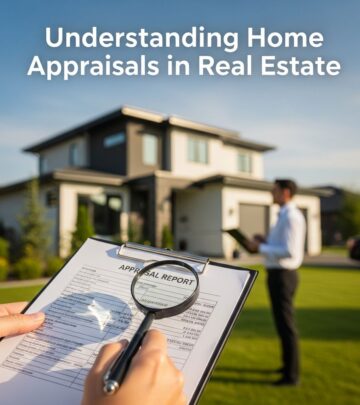
While AVMs suffice for ballparks, licensed appraisers deliver certified reports for loans or disputes. They inspect interiors, measure precisely, and apply dual methods, often sales comparison primary. Fees range $300-$500, taking days to weeks.
Appraisers adhere to standards like NAR’s Code of Ethics, ensuring impartiality—valuations can’t hinge on loan approval. Hire independents via banks or directories for unbiased views. Post-appraisal, challenge lowballs with comp evidence if merited.
Steps to Estimate Your Home’s Value Independently
- Gather Details: Note square footage, beds/baths, build year, upgrades, lot size.
- Research Comps: Use MLS or sites for last 6 months’ sales within 0.5 miles, similar specs.
- Run AVMs: Input address on 3+ platforms; average results.
- Adjust Manually: Add/subtract for superior/inferior features (e.g., +$20K for pool).
- Consult Pros: Agent comparative market analysis (CMA) is free for sellers.
Track quarterly; values can rise 5-15% yearly in hot markets.
Common Valuation Pitfalls to Avoid
Overreliance on single AVMs ignores nuances. Emotional attachments inflate self-views—buyers pay market, not memories. Ignoring maintenance issues like roof age surprises with deductions. Seasonal timing matters; winter sales dip 5-10%.
In low-data zones, expand comp radius cautiously. Tax assessments often lag market reality, undervaluing by 20%+.
FAQs
How often should I check my home’s value?
Quarterly in dynamic markets; annually otherwise. Use AVMs for trends, appraisals for transactions.
Are online estimators reliable for selling?
Good starters, but pair with agent CMA for precision. Redfin excels for listed properties.
What if AVMs differ widely?
Average them and verify with recent comps. Sparse sales cause variance.
Can I boost my home’s appraised value?
Minor fixes like paint, decluttering help; major renos risk over-improvement unless comps support.
Do condos value differently?
Yes—HOA fees, rules factor in; comps must match complexes.
Navigating Valuations in 2026 Markets
With AI advancements, tools like Homesage.ai analyze photos for condition insights. Wage growth draws buyers, per recent forecasts, pressuring values upward. Stay proactive: document upgrades, monitor comps, and blend tech with expertise for optimal outcomes.
References
- Valuation methods for real estate: 5 methods for determining the value of houses and apartments — Lukinski. 2023. https://lukinski.com/valuation-methods-for-real-estate-5-methods-for-determining-the-value-of-houses-and-apartments/
- 6 Most Accurate Home Value Estimators — FastExpert. 2026. https://www.fastexpert.com/blog/best-accurate-home-value-estimators/
- 5 Best Commercial Real Estate Valuation Methods in 2026 — Gower Crowd. 2026. https://gowercrowd.com/real-estate-insights/how-does-commercial-real-estate-valuation-work
- How Zillow REALLY Values Your Home in 2026 — Albermar Property Management (YouTube). 2026-01-29. https://www.youtube.com/watch?v=3TT4_Qtd0Ao
- Best method and tools for commercial property valuation appeals — Avalara. 2023-02. https://www.avalara.com/blog/en/north-america/2023/02/best-method-and-tools-for-commercial-property-valuation-appeals.html
- 2026 Housing Market Expectations — Schwab Network (YouTube). 2026. https://www.youtube.com/watch?v=ivi6XulPFI4
- 2026 Code of Ethics & Standards of Practice — National Association of Realtors. 2026. https://www.nar.realtor/about-nar/governing-documents/code-of-ethics/2026-code-of-ethics-standards-of-practice
Similar Articles








Read full bio of Sneha Tete