Desert Homes: 2025 Complete Guide To Buying And Maintaining
Discover essential strategies for purchasing and thriving in desert properties, from climate adaptations to financing insights.
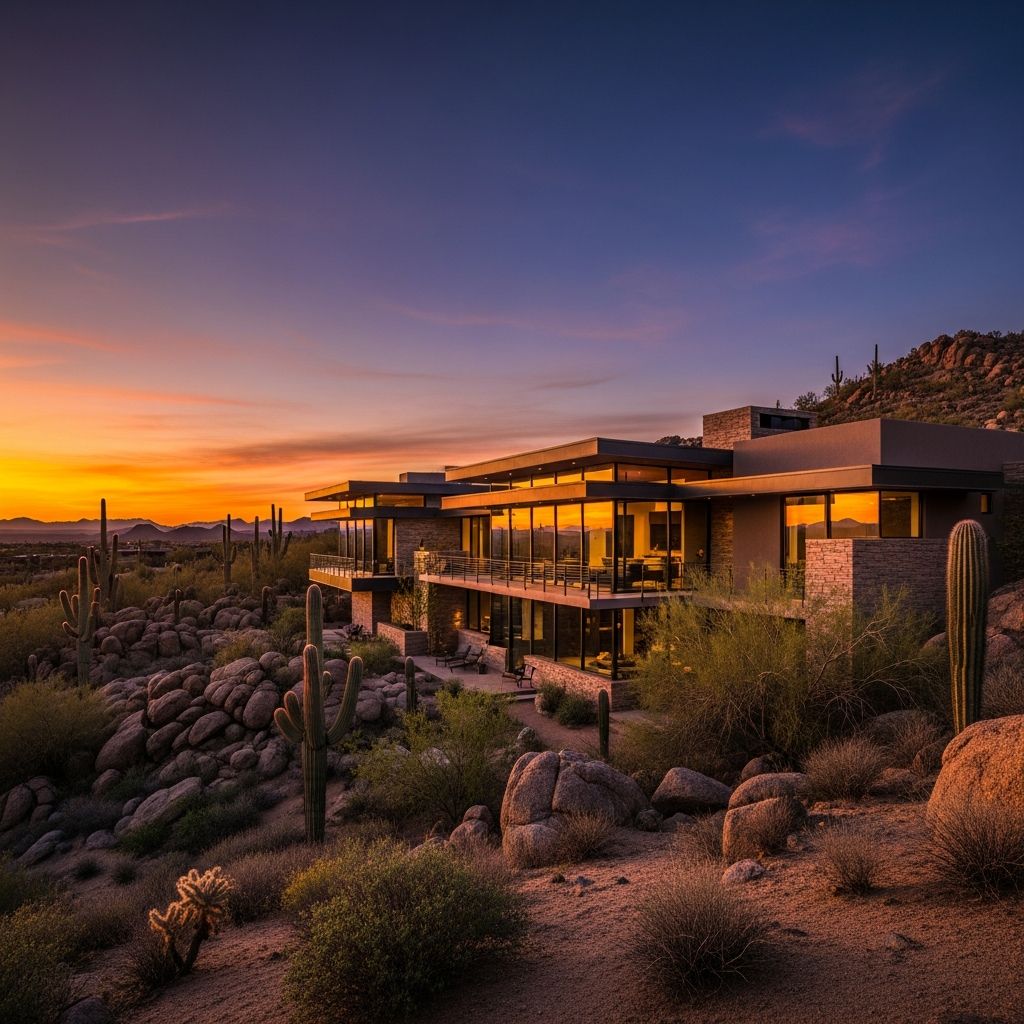
Owning a home in a desert region offers unparalleled tranquility, stunning landscapes, and a lifestyle attuned to nature’s rhythms. However, the extreme climate demands careful planning. This guide provides comprehensive advice on selecting, purchasing, and maintaining properties in arid zones, ensuring your investment withstands heat, scarcity, and environmental demands.
Understanding the Desert Climate’s Impact on Housing
Desert environments feature scorching days, chilly nights, and minimal rainfall, influencing every aspect of home design and functionality. Temperatures can exceed 100°F (38°C) in summer, while winters dip below freezing in some areas. These swings necessitate homes that prioritize thermal regulation and resource efficiency.
Key challenges include intense solar exposure, low humidity leading to rapid evaporation, and dust storms that infiltrate poorly sealed structures. Prospective buyers must prioritize features that mitigate these issues for comfort and longevity.
Critical Features for Desert Property Selection
When evaluating desert homes, focus on elements that combat heat and conserve resources. Here’s what to examine:
- Advanced Cooling Systems: Central air conditioning is essential, but inspect unit age, efficiency ratings (SEER 16+ recommended), and ductwork integrity. High ceilings (10+ feet) and multiple ceiling fans promote air circulation, reducing reliance on AC.
- Window and Shading Solutions: Double- or triple-pane windows with low-E coatings block UV rays. Exterior shades, awnings, or overhangs prevent direct sunlight, keeping interiors cooler.
- Insulation Quality: Attic insulation (R-49 minimum per energy codes), wall cavities filled with foam or fiberglass, and radiant barriers reflect heat away from living spaces.
| Feature | Desert Benefit | Inspection Tip |
|---|---|---|
| HVAC Efficiency | Lowers energy bills by 20-30% | Check service records; test runtime |
| Ceiling Fans | Circulates air effectively | Ensure quiet operation, reversible blades |
| Thermal Windows | Reduces heat gain | Verify argon-filled panes |
Construction Materials Suited for Extreme Heat
Traditional materials falter in deserts; opt for those that resist expansion, cracking, and fading. Stucco exteriors provide a breathable, durable finish that handles temperature fluctuations without warping, unlike wood which absorbs heat and degrades.
Tiles or concrete roofs offer superior insulation compared to asphalt shingles, which crack under UV exposure. Insulated concrete forms (ICFs) create thick, energy-efficient walls. Adobe or rammed earth adds thermal mass, absorbing daytime heat and releasing it at night.
- Exterior: Stucco, stone, or ICFs for heat resistance.
- Roofing: Clay tiles or metal with cool coatings.
- Flooring: Tile or polished concrete for cool surfaces.
Water Management in Water-Scarce Regions
Water scarcity defines desert living. Inquire about sources: municipal supplies, private wells, or rainwater harvesting. Greywater systems recycle shower and sink water for irrigation, complying with local conservation laws.
Drought-resistant landscaping minimizes usage. Replace grass with xeriscaping using gravel, native succulents, and cacti. Drip irrigation delivers water precisely to roots, cutting consumption by 50-75%.
Pool owners should consider covers to reduce evaporation and solar heating systems for efficiency.
Energy Solutions for Off-Grid Potential
Electricity reliability varies; solar panels with battery storage ensure independence. Grid-tied homes benefit from net metering, selling excess power back. Assess panel capacity (5-10 kW typical), inverter quality, and south-facing roof orientation for optimal output.
Energy-efficient appliances (Energy Star rated) and LED lighting further reduce demands. Smart thermostats adjust settings remotely, optimizing usage during peak heat.
Popular Desert Architecture Styles
Desert homes blend aesthetics with functionality:
- Southwest Adobe: Thick earthen walls, flat roofs, courtyards for shade.
- Mid-Century Modern: Flat roofs, large glass walls with overhangs, seen in Palm Springs icons.
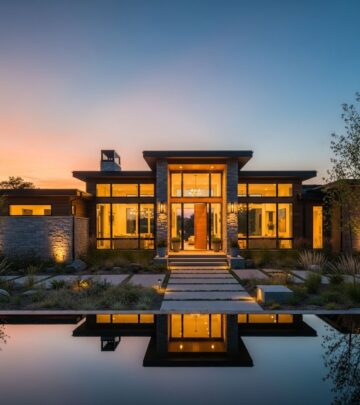
- Contemporary Desert: Sleek lines, sustainable materials, expansive views.
- Ranch Style: Single-story layouts ideal for flat terrains.
These styles evolved to harmonize with the environment, maximizing natural ventilation and views while minimizing exposure.
Step-by-Step Guide to Buying Your Desert Home
Navigating arid real estate requires a structured approach, especially with rising median prices (e.g., over $800,000 in premium areas like Palm Springs).
- Assess Affordability: Calculate budget including 2-5% closing costs, taxes, HOA fees, and insurance. Aim for housing costs under 25-28% of income. Use online calculators for mortgage estimates.
- Secure Pre-Approval: Provide income, debt, and credit details to lenders. This strengthens offers in competitive markets.
- Engage Local Experts: Partner with agents familiar with desert specifics like leased land or flood zones.
- Search Strategically: Tour properties noting cooling, landscaping, and utilities. Prioritize neighborhoods with mountain views or golf access.
- Submit Offers: Include pre-approval, earnest money (1-2%), and contingencies for inspection, appraisal, and financing.
- Conduct Thorough Inspections: Hire specialists for HVAC, roof, pest, and seismic checks. Desert pests like scorpions require attention.
- Appraisal and Insurance: Ensure value matches offer; secure policies covering fire and wind.
- Close Confidently: Final walkthrough, review documents, sign at settlement.
Financial Planning and Mortgage Options
Desert homes qualify for standard loans, but FHA, VA, or USDA programs aid first-timers. Compare 15- vs 30-year terms; shorter saves interest but raises payments. Factor PMI if down payment under 20%.
HOA fees cover communal xeriscaping or solar arrays. Budget for higher utilities initially until efficiencies kick in.
| Mortgage Type | Term | Pros for Desert Buyers |
|---|---|---|
| Conventional | 30-year | Flexible down payments |
| FHA | 15-30 year | Low down (3.5%) |
| VA | 30-year | No down for veterans |
Maintenance Tips for Long-Term Success
Annual HVAC servicing prevents breakdowns. Seal cracks to block dust. Monitor pool chemistry against evaporation. Trim xeriscape to avoid fire hazards—clear 30-foot defensible space.
Upgrade to smart home tech for monitoring energy and water remotely. Regular roof inspections catch tile cracks early.
FAQs: Desert Home Buying Essentials
What makes desert homes more expensive to cool?
Intense sun and poor insulation drive up AC use; efficient designs cut costs by 25%.
Is solar power worth it in deserts?
Yes—abundant sun yields high ROI, often 5-7 years with incentives.
How reliable is water in desert areas?
Depends on location; municipal is stable, wells vary. Conservation is key.
Are tile roofs durable?
Extremely—last 50+ years but inspect for cracks during monsoons.
What about insurance in fire-prone deserts?
Premiums higher; shop early and build fire-resistant features.
References
- Desert Homes: Finding Your Oasis in the Sand — Chase. 2023. https://www.chase.com/personal/mortgage/education/finding-a-home/desert-homes
- What to Look for When Buying a Desert Home — Buy Homes in Palm Desert. 2023. https://www.buyhomesinpalmdesert.com/blog/what-to-look-for-when-buying-a-desert-home/
- The Ultimate Guide to Buying a Home in Palm Springs — Paul Kaplan Homes. 2024. https://www.paulkaplanhomes.com/blog/palm-springs-buying-guide
- Your Essential Home Buying Checklist — Desert Financial. 2025. https://www.desertfinancial.com/en/learn/blog/home/essential-homebuying-checklist
- Buying a Home — U.S. Department of Housing and Urban Development (HUD.gov). 2024. http://www.hud.gov/helping-americans/buying-a-home
Similar Articles








Read full bio of Sneha Tete