It’s Getting Way Cheaper to Sell Clothes on Depop
Depop eliminates 10% seller fees for U.S. sellers, making secondhand fashion resale more profitable than ever.
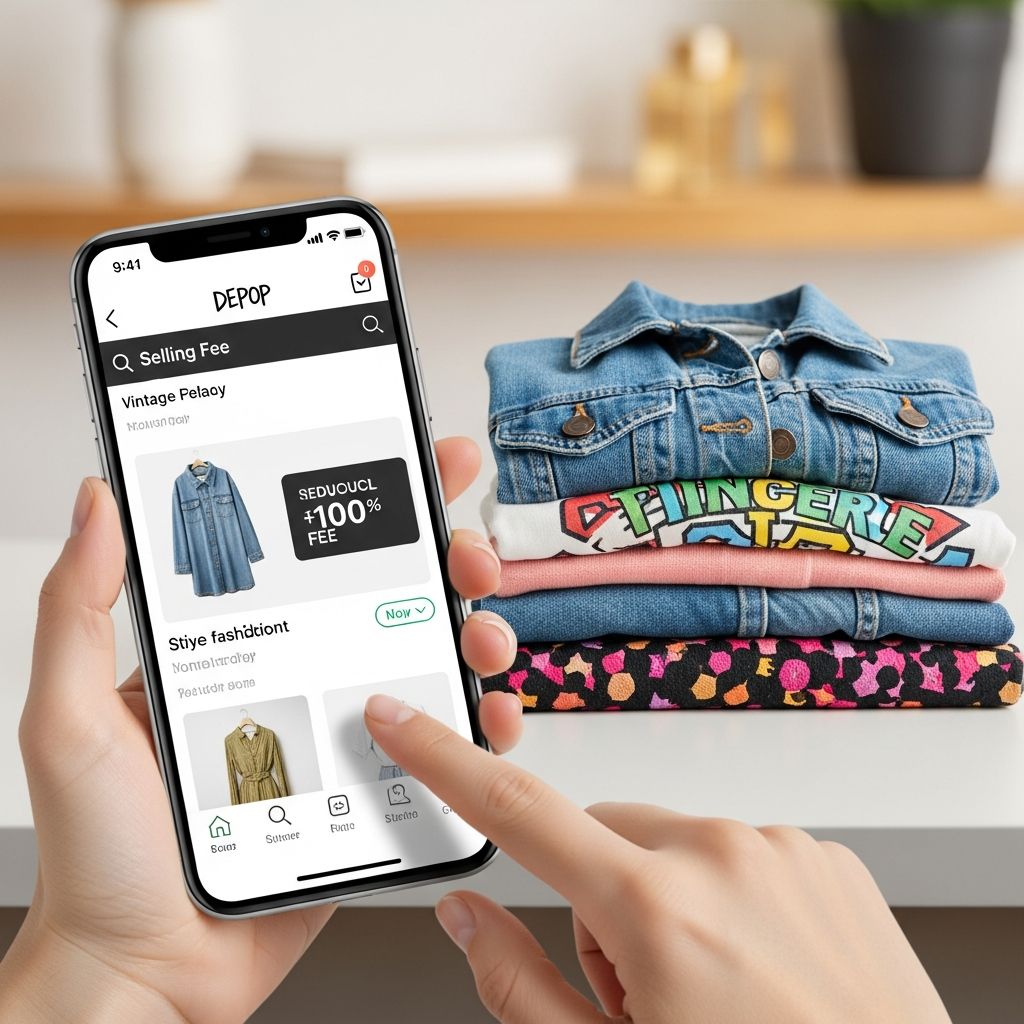
If you’ve been thinking about cleaning out your closet and earning some extra cash, Depop just made it significantly more attractive to sell your gently worn clothing. The popular secondhand fashion marketplace has eliminated its selling fees for U.S.-based sellers, a game-changing move that puts more money directly into sellers’ pockets. This decision represents a major shift in how Depop operates and reflects the growing competition in the online resale industry.
Previously, every time a seller made a transaction on Depop, they paid a 10% fee on the total sale price. As of this week, that substantial fee has been completely removed for U.S.-based sellers, marking a significant turning point for the platform. The announcement comes at a time when the secondhand fashion market is experiencing explosive growth, with consumers increasingly seeking sustainable shopping alternatives and the opportunity to monetize their existing wardrobes.
The New Fee Structure: How Depop Will Generate Revenue
While the elimination of seller fees sounds like an entirely free transaction, Depop has implemented a strategic restructuring of its fee model to maintain revenue and fund platform improvements. The removal of selling fees is part of a broader update to Depop’s fee structure that shifts the financial burden from sellers to buyers through the introduction of a marketplace fee.
Sellers will continue to pay a payment processing fee of 3.3% of the sale price (including shipping and tax) plus an additional fixed charge of 45 cents per transaction. This fee is charged through Depop Payments via Stripe and is deducted before sale proceeds are paid to the seller’s bank account. For those using PayPal as their payment method, the processing fee is handled separately through PayPal’s own payment processing system.
The most significant change for buyers is the introduction of a new marketplace fee that took effect on July 18th. According to Depop’s updated terms of service, this buyer-facing fee will be up to 5% of the item price and an additional fixed amount of up to $1 per transaction. Buyers see this fee clearly displayed during the checkout process. Importantly, when multiple items from the same seller are purchased together in a “bundle,” buyers only pay the fixed amount once, making bulk purchases more attractive and cost-effective.
Why the Fee Elimination Makes Strategic Sense
Depop, owned by Etsy since 2021, has been working to strengthen its position in an increasingly competitive secondhand fashion marketplace. The platform’s sellers have collectively earned over $3.5 billion to date, with the average U.S. seller making more than $450 in their first year. Despite this success, the company recognized that maintaining a competitive edge required adapting its business model.
The move to eliminate seller fees is designed to achieve several key objectives: empowering the growing Depop community to earn more from their wardrobes, offering improved value and choice for buyers, and encouraging a wider audience to attempt selling for the first time. By removing the direct selling fee barrier, Depop aims to attract new sellers who might be hesitant to enter the resale market, thereby increasing the volume of listings available to buyers.
Depop CEO Kruti Patel Goyal stated that the company wants “to invite as many people as possible into Depop’s circular fashion community” by “making the experience easier, more rewarding and more inspiring than ever.” The CEO emphasized that this change gives “sellers more cash in their pocket from each sale, empowering our existing community – as well as those who may be new to resale – to list more, sell more and earn more while contributing to a more circular fashion system.”
Market Positioning and Competitive Landscape
The secondhand fashion marketplace is intensely competitive, with numerous alternatives available to both buyers and sellers. Major platforms including Poshmark, ThredUp, eBay, Vinted, and Mercari all compete for market share. Depop clearly recognized that maintaining its 10% seller fee while competitors were offering more attractive terms would put the platform at a disadvantage.
Notably, Mercari, a platform very similar to Depop, eliminated its 10% seller fee earlier in 2024, claiming it was the first major marketplace to do so. Mercari’s leadership indicated that the company made this change because it was losing sellers who preferred to list their items directly on social media platforms instead of paying transaction fees. This competitive pressure likely influenced Depop’s decision to follow suit.
Depop’s 2024 market performance showed the platform ranking as the 4th most popular online shopping site for U.S. upper-income teens, demonstrating its strong appeal to a key demographic. The platform has given a second life to over 80 million items since its founding, solidifying its position as a significant player in the circular fashion economy. The fee elimination represents Depop’s bet that removing seller friction will help it stand out in this crowded field and attract both new and existing sellers.
Impact on Seller Pricing and Negotiation Dynamics
While the elimination of seller fees benefits sellers directly, the market dynamics may not be entirely straightforward. Industry analysts suggest that sellers may need to brace themselves for potential downward pressure on prices as consumers factor in the new buyer marketplace fee.
Price-sensitive customers will likely adjust their willingness to pay once they understand they must factor an additional 5% marketplace fee plus up to $1 into their total cost. This could result in buyers asking sellers to lower prices to offset the fee increase they’ll experience at checkout. Depop sellers are already familiar with receiving lowball offers through the platform’s “Send offer” feature, and market observers predict this practice may increase as buyers seek to negotiate discounts that compensate for the new marketplace fee.
The net effect for sellers will depend on various factors: how much price-sensitive customers actually adjust their offers, the competitive positioning of sellers’ items, and the overall growth in listing volume and buyer traffic that the fee change generates. While keeping a larger percentage of lower-priced sales may result in the same overall earnings, the increased visibility from more listings could drive higher absolute sales volumes for active sellers.
Platform Improvements Funded by Fee Changes
Depop has committed to using revenue generated by the new marketplace fee to fund continued improvements across the platform. Specific investment areas include Depop Protection, enhanced customer support, general platform improvements, and community growth initiatives. The company describes this as creating a “dynamic marketplace that opens up access to the circular economy.”
Recent data demonstrates Depop’s commitment to platform enhancements. The company achieved a 40% improvement in resolution time for incoming support inquiries and a 48% improvement in average support response times year over year. Product development velocity increased by 70%, enabling the launch of new features like Send Offer and Boosted Listings. On the technical side, Depop implemented AI-powered autofill for listings, which radically improved the listing flow and helped users create listings faster and easier, driving greater choice and variety for buyers.
In the search and discovery realm, Depop invested in technology that powers its search experience, making buyers 42% more likely to find desired items through search functionality. These improvements represent tangible investments in the seller and buyer experience that the marketplace fee revenue will help sustain.
Global Rollout and Regional Variations
The elimination of selling fees and introduction of buyer marketplace fees began with the U.K. market earlier in 2024, before expanding to the United States. The fee structure varies slightly by region: U.K. sellers face the same zero selling fee policy, while the buyer marketplace fee in the U.K. is calculated as up to 5% of the item purchase price plus a fixed amount of up to £1 (compared to $1 in the U.S.).
It’s important to note that these fee changes apply only to sellers with registered addresses in their respective countries and conducting sales in the local currency. U.S.-based sellers benefit from zero selling fees on USD sales only, while U.K.-based sellers enjoy the same benefit for GBP sales. International sellers and those selling across currencies may face different fee structures.
The Broader Context of Resale Industry Growth
Depop’s strategic shift reflects larger trends in the secondhand fashion industry. As more consumers recognize the value of resale—both from financial and environmental perspectives—platforms have become increasingly aggressive in competing for seller attention. The circular fashion movement has gained mainstream acceptance, with fashion-conscious consumers seeking both value and sustainability.
The average seller earning over $450 in their first year on Depop demonstrates the platform’s appeal to those seeking supplemental income or full-time resale businesses. By lowering barriers to entry through fee elimination, Depop aims to tap into this growing segment and capture sellers who might otherwise choose alternative platforms or social media-based selling.
Frequently Asked Questions
Q: When did Depop eliminate its selling fees?
A: Depop eliminated its 10% selling fee for U.S.-based sellers as of this week (from the article’s publication date). The U.K. market saw this change earlier in 2024, starting March 20th for new listings.
Q: Do sellers still pay any fees on Depop?
A: Yes, sellers still pay a payment processing fee of 3.3% of the sale price (including shipping and tax) plus $0.45 per transaction through Depop Payments. The 10% selling fee is eliminated, but this processing fee remains.
Q: What is the new buyer marketplace fee?
A: The buyer marketplace fee, effective July 18th, 2024, is up to 5% of the item purchase price plus a fixed amount of up to $1 per transaction. When buyers purchase multiple items from one seller (a bundle), they only pay the fixed amount once.
Q: How will the fee elimination affect seller pricing?
A: While sellers keep more per sale, price-sensitive buyers may lower their offers to account for the new marketplace fee they must pay. The net effect on seller earnings will depend on pricing adjustments and increased transaction volume.
Q: Why did Depop make this change?
A: Depop eliminated seller fees to remain competitive in the crowded secondhand fashion marketplace, attract new sellers, increase listing volume, and empower existing sellers to earn more. Competitors like Mercari had already made similar moves.
Q: Does this change apply to all countries?
A: No, the fee elimination currently applies to U.S. and U.K. sellers only. Sellers must be registered in these countries and conducting sales in USD or GBP respectively.
References
- It’s Getting Way Cheaper to Sell Clothes on Depop — Money. 2024. https://money.com/depop-seller-fee-eliminated/
- Depop removes selling fees in the United States, evolves fee structure — Depop News. 2024. https://news.depop.com/company-news/depop-removes-selling-fees-in-the-united-states-evolves-fee-structure/
- Evolving our fee structure, with zero selling fees on Depop — Depop News. 2024. https://news.depop.com/company-news/evolving-our-fee-structure-with-zero-selling-fees-on-depop/
- Seller fees and charges – Depop Help Centre — Depop Support. https://depophelp.zendesk.com/hc/en-gb/articles/360001791127-Seller-fees-and-charges
- Depop Fees Explained: A Complete Breakdown for Sellers — Reeva. 2025. https://blog.reeva.ai/resources/depop-fees-explained-a-complete-breakdown-for-sellers/
Similar Articles








Read full bio of Sneha Tete