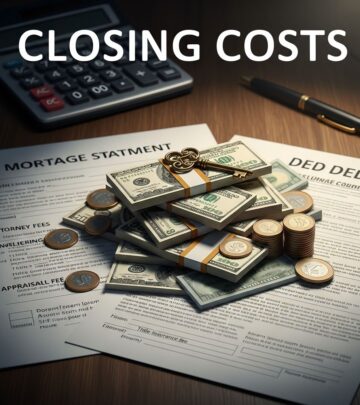
Home Closing Costs: 4 Key Fees Buyers Should Expect
Unlock the secrets of closing costs to budget smarter and close confidently on your dream home purchase.
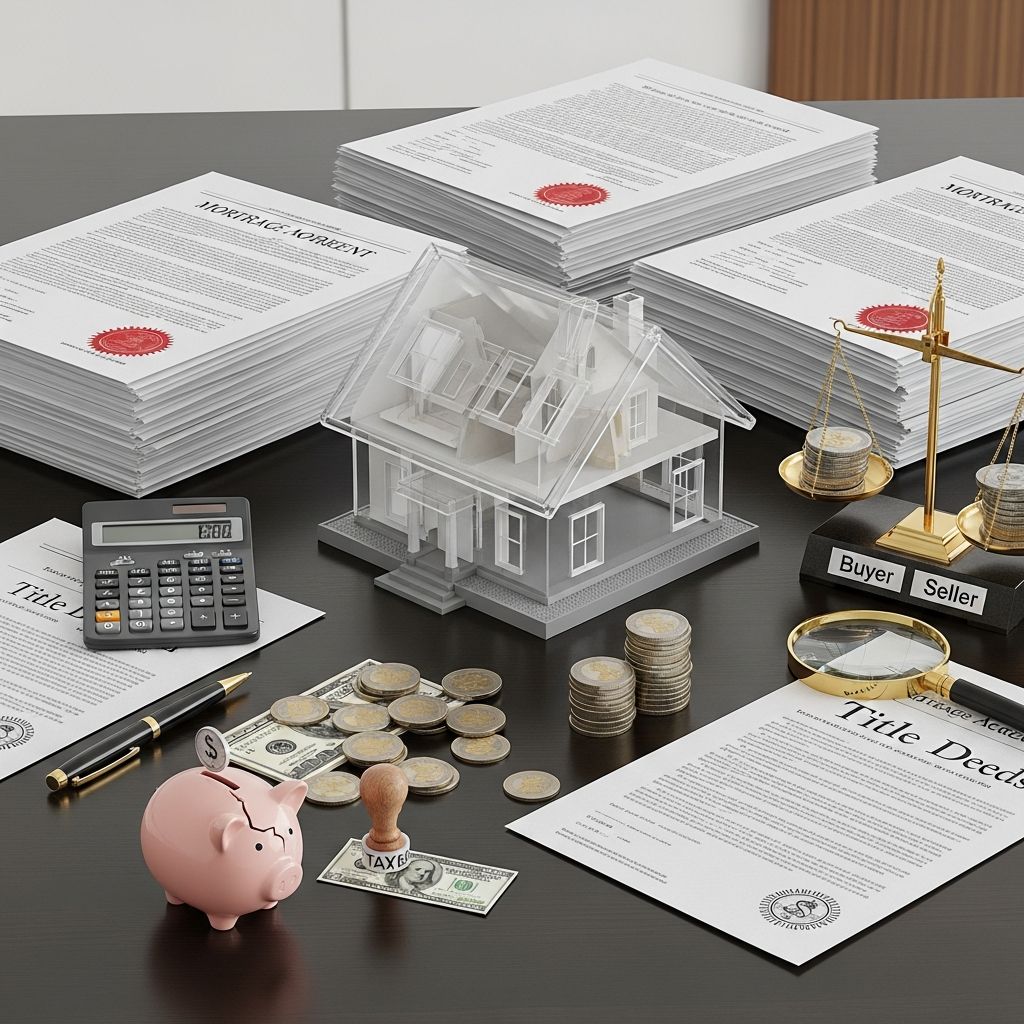
Closing costs represent a critical yet often overlooked expense in the home buying process, typically amounting to 2% to 6% of the loan or purchase price. These fees cover essential services like appraisals, title insurance, and lender charges, paid at the final stages of securing a mortgage and transferring property ownership. Understanding them helps buyers and sellers prepare financially and avoid surprises.
The Scope and Scale of Closing Expenses
Buyers generally face closing costs between 2% and 5% of the home’s price, translating to $6,000-$15,000 on a $300,000 property. Sellers encounter higher totals, often 8%-10%, largely due to agent commissions deducted from sale proceeds. Nationally, averages hover around $4,661 for single-family home purchases, excluding commissions, per recent data, though refinances drop to about $2,403.
Factors influencing these figures include loan type, location, and property value. For loans between $400,000 and $500,000, totals can reach $10,500-$21,000, with prepaids like taxes and insurance comprising half. Paying out-of-pocket is most efficient, though some roll costs into the loan, incurring interest over time.
Buyer Responsibilities: Breaking Down the Fees
Buyers shoulder most lender-related and third-party charges. Common components include:
- Appraisal Fee: $300-$600 to assess property value, ensuring the loan doesn’t exceed worth.
- Loan Origination: Covers lender processing, often 1% of the loan or $500 application fee.
- Title Insurance: Protects against ownership disputes; lender’s policy is mandatory, owner’s optional.
- Prepaid Items: Escrow for taxes, insurance, and HOA dues, forming a large portion of totals.
Other fees encompass credit reports ($80 average), settlement charges, and government recording costs. A few dominate: lender title, transfer taxes, and origination make up 57% for mid-range loans.
Seller Obligations in the Closing Process
Sellers primarily cover real estate commissions (5%-6% total for both agents) and prorated taxes or transfer duties varying by locale. These deduct from proceeds, minimizing cash needs at closing. Additional costs like attorney fees or title policy transfers add 2%-4%.
| Party | Typical Range (% of Price) | Main Fees |
|---|---|---|
| Buyer | 2%-6% | Lender fees, appraisal, title insurance, prepaids |
| Seller | 8%-10% | Commissions, transfer taxes, prorated property taxes |
This table highlights the disparity, with sellers’ burdens tied to negotiated commissions.
Variations by Loan Type
Closing costs differ by mortgage program:
- Conventional: 2%-5%; seller contributions capped at 3%-9% based on down payment size.
- FHA: 2%-6%, plus upfront mortgage insurance premium (UFMIP).
- VA: 1%-5%, featuring a funding fee (0.5%-3.6%) instead of PMI.
Down payments under 20% trigger PMI until equity hits 78% LTV. Tools like Fannie Mae’s calculator estimate based on state and loan details.
Regional Differences Across the U.S.
Costs vary widely by state due to taxes and regulations. Washington, D.C. tops lists at $17,545 average, followed by New York ($13,000+) and Delaware ($12,000+). Low-end states include Missouri ($1,740), Iowa ($1,640), and South Dakota ($1,551). Earlier data showed D.C. at $29,888 high and Missouri at $2,061 low, underscoring location’s impact.
Transfer taxes and local ordinances drive these gaps. Buyers in high-cost areas should budget extra.
Strategies to Lower or Negotiate Costs
Minimize outlays through smart tactics:
- Shop lenders for competitive origination and third-party fees.
- Request seller concessions, within loan limits (e.g., 6% for FHA).
- Opt for no-closing-cost loans, trading higher rates for fee waivers.
- Compare title services and skip optional owner’s insurance if risks are low.
- Use calculators from Bank of America or others for precise estimates.
Timing purchases or refinancing when rates drop can also offset expenses indirectly.
Timeline and Payment Logistics
Most fees settle on closing day via wire transfer or certified check. Pre-closing payments like appraisals occur earlier. Review the Closing Disclosure 3 days prior for accuracy, mandated by TRID rules. This document details all charges, enabling disputes.
Frequently Asked Questions
Who pays closing costs in a home sale?
Buyers cover lender and third-party fees; sellers handle commissions and taxes. Negotiations can shift some buyer costs to sellers.
Can closing costs be financed?
Yes, if lender permits, but interest accrues over the loan term, increasing total cost.
Are closing costs tax-deductible?
Points and mortgage interest may qualify; consult a tax advisor for specifics.
How do I estimate my closing costs?
Use online calculators inputting loan amount, location, and type for tailored projections.
What’s the difference between Closing Disclosure and Loan Estimate?
Loan Estimate is initial; Closing Disclosure is final, provided 3 days before closing.
Preparing Financially for Closing Day
Build a buffer beyond down payment for these fees. Review all documents meticulously and question discrepancies. Engaging a buyer’s agent aids in negotiations. Long-term, these costs secure homeownership, with prepaids advancing routine expenses.
For refinances, expect lower averages since no purchase commissions apply. Always verify with multiple quotes to ensure fairness.
References
- Closing Costs Explained – How Much Are Closing Costs? — Zillow. 2025. https://www.zillow.com/learn/closing-costs/
- What are Mortgage Closing Costs? — NerdWallet. 2025. https://www.nerdwallet.com/mortgages/learn/closing-costs-mortgage-fees-explained
- Mortgage closing costs: What are they, and how much will you pay? — Bankrate. 2025-02-06. https://www.bankrate.com/mortgages/what-are-closing-costs/
- Understanding Mortgage Closing Costs: Essential Guide for Homebuyers — Western Bank. 2025. https://www.westernbank.com/mortgage/understanding-mortgage-closing-costs-essential-guide-for-homebuyers/
- What Components Make Up Closing Costs? — Urban Institute. 2025. https://www.urban.org/urban-wire/what-components-make-closing-costs
- What are closing costs and how much will you pay? — Rocket Mortgage. 2025. https://www.rocketmortgage.com/learn/closing-costs
Similar Articles








Read full bio of medha deb