Demystifying ATMs: Technology Behind Cash Machines
Explore the inner workings of Automated Teller Machines, from hardware essentials to secure transactions and future innovations in everyday banking.
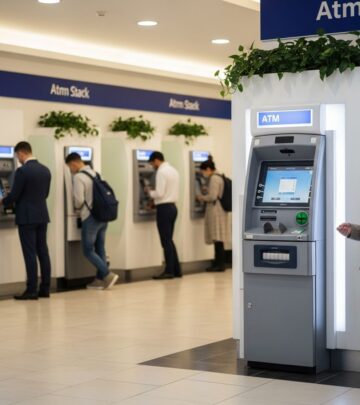
Automated Teller Machines (ATMs) have revolutionized personal banking by providing round-the-clock access to funds and services without needing a teller. These electronic devices connect users to their financial accounts through secure networks, enabling quick transactions like withdrawals and balance checks.
The Evolution of Self-Service Banking
ATMs emerged in the late 1960s as simple cash dispensers but have evolved into multifunctional hubs. Today, they support deposits, transfers, bill payments, and even specialized services such as crop insurance disbursements for farmers. This growth reflects broader shifts toward digital convenience, reducing reliance on branch visits while cutting operational costs for banks.
Early models required physical vouchers, but modern units integrate touchscreens, biometric scanners, and AI for personalized interactions. Despite the rise of mobile apps, ATMs remain vital, especially in underserved areas via mobile units.
Core Hardware Components of an ATM
ATMs combine robust external interfaces with secure internal systems. Externally, users interact via a display screen showing options, a keypad for PIN entry, and slots for card insertion, cash dispensing, and deposits. Speakers and Braille markings ensure accessibility for visually impaired users.
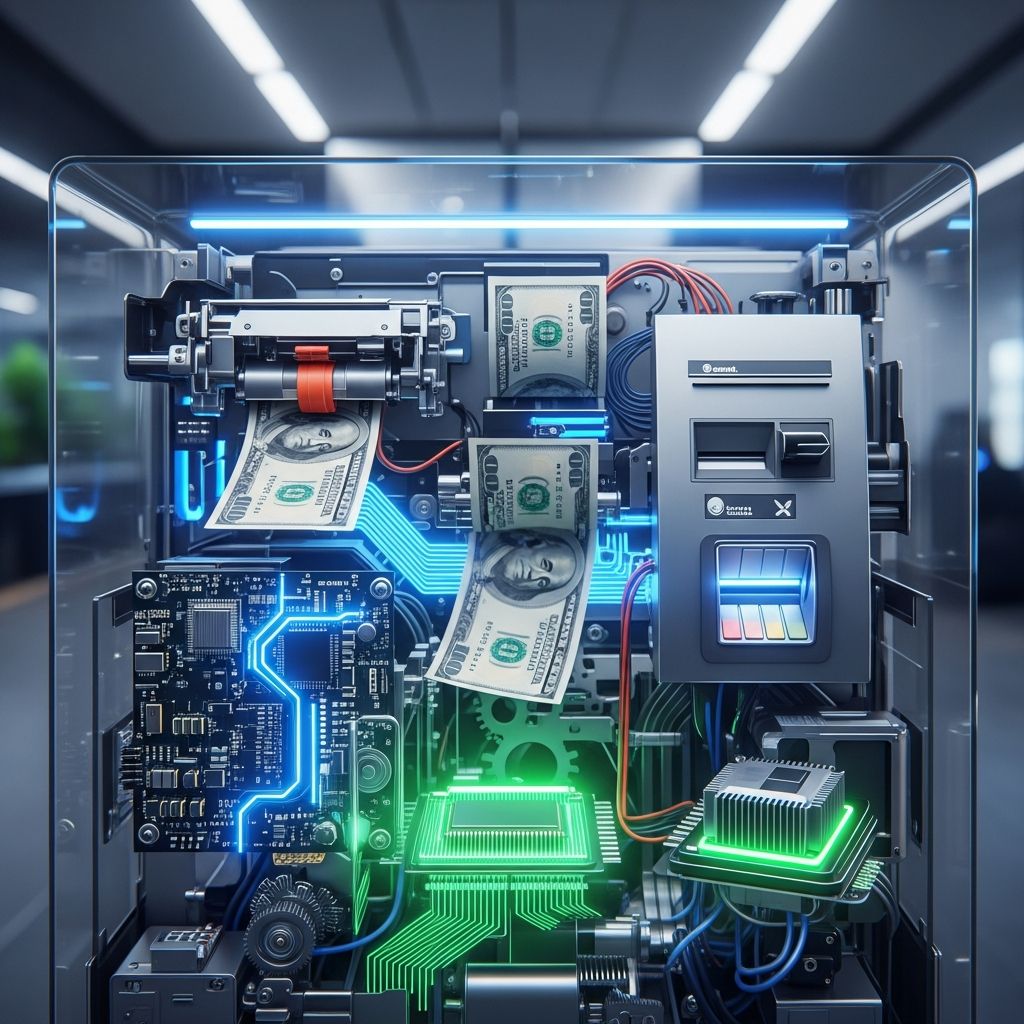
Internally, a central processing unit (CPU) acts as the brain, linking to bank networks via telephone or internet lines buried underground. Cash vaults and mechanical dispensers handle money movement, while receipt printers document transactions.
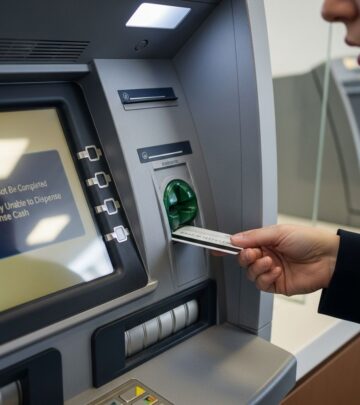
- Card Reader: Scans magnetic stripes or chips to verify account details.
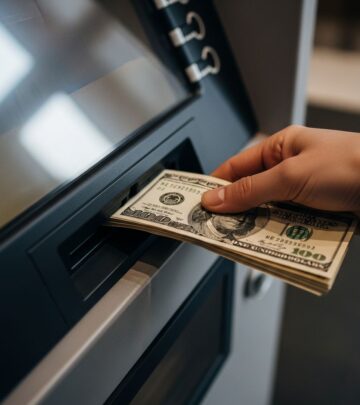
- Cash Dispenser: Uses electronic eyes to count bills accurately, distinguishing denominations and detecting jams.
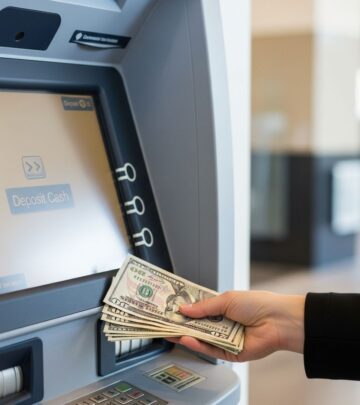
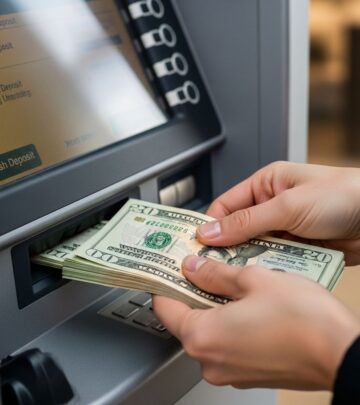
- Deposit Acceptor: Processes envelopes or direct cash/check deposits with imaging tech.
- Secure Vault: Stores cash and envelopes, protected by alarms and reinforced materials.
Step-by-Step: How Transactions Are Processed
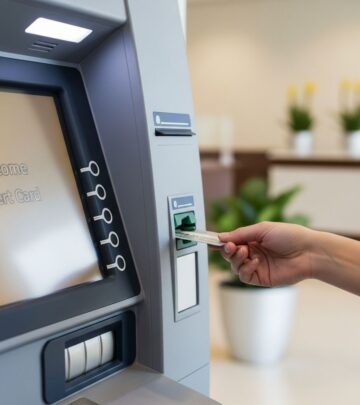
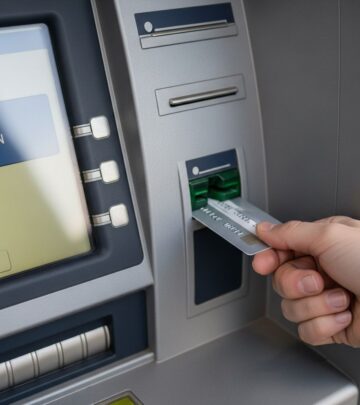
When a user inserts a card, the ATM reads it and prompts for a PIN. The CPU encrypts this data and sends it through routers to the issuing bank for authorization. Approval triggers fund release; denial displays an error.
For withdrawals, the dispenser counts bills via sensors. Deposits are scanned, validated, and credited provisionally. The entire process, from request to receipt, occurs in seconds, with records logged for auditing.
| Transaction Type | Steps Involved | Typical Time |
|---|---|---|
| Cash Withdrawal | Card insert, PIN, amount select, bank approval, dispense | 20-30 seconds |
| Balance Inquiry | Card insert, PIN, select inquiry | 10-15 seconds |
| Deposit | Card insert, PIN, insert envelope/cash, scan/validate | 30-45 seconds |
| Fund Transfer | Card insert, PIN, select accounts, amount | 15-25 seconds |
This table outlines common operations, highlighting efficiency.
Advanced Security Protocols in Modern ATMs
Security is paramount, starting with PIN encryption and card authentication. Biometric options like fingerprint or palm scanners replace or supplement PINs, as personal traits can’t be stolen.
Cameras, alarms, and timed transaction limits (e.g., card retention after inactivity) deter fraud. Well-lit locations and network monitoring further protect users. Emerging AI detects suspicious patterns in real-time.
- EMV chip technology prevents skimming.
- End-to-end encryption secures data transmission.
- Anti-jamming dispensers ensure accurate payouts.
Types of ATMs and Their Capabilities
ATMs vary by function. Basic units handle withdrawals and inquiries; advanced ones support check cashing, loan payments, and account openings. Personal Teller Machines (PTMs) blend ATM self-service with video teller links, offering teller-line services like official check printing.
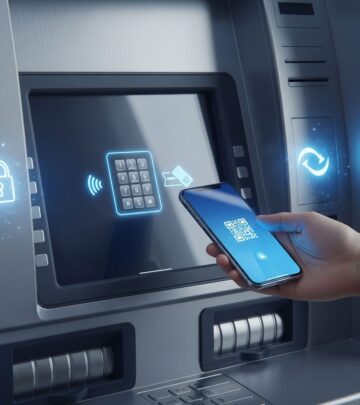
Drive-thru, wall-mounted, and freestanding models cater to different environments. Some integrate with mobile wallets for cardless access.
Network Connectivity and Processing Networks
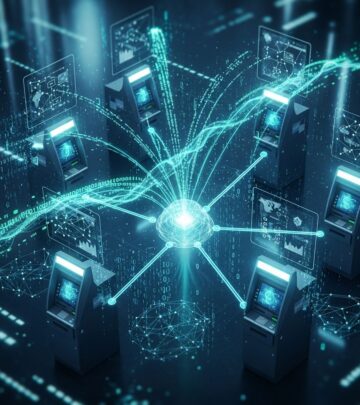
ATMs connect via payment networks like Visa or Mastercard, routing requests to issuers. Processors handle approvals, reimbursing ATM owners post-transaction. This interconnected system ensures global usability.
Interbank fees apply for out-of-network use, incentivizing proprietary ATMs to avoid surcharges.
Accessibility Features for All Users
Designs prioritize inclusivity: adjustable screens, voice guidance, and multilingual interfaces. Braille keypads and headphone jacks aid the visually impaired. Height-adjustable units accommodate wheelchair users.
Costs, Fees, and Smart Usage Tips
Proprietary ATMs are fee-free, but foreign ones charge $2-5 plus issuer fees. Limits vary: $300-$1,000 daily. Tips include checking balances first, using in-network machines, and retaining receipts.
- Opt for cardless withdrawals via apps.
- Monitor accounts post-use for discrepancies.
- Avoid nighttime solitary use in isolated spots.
ATMs vs. Emerging Alternatives
While apps dominate, ATMs excel for cash needs. PTMs enhance branches by automating complex tasks, freeing tellers. Mobile ATMs serve remote areas.
The Future: AI, Contactless, and Beyond
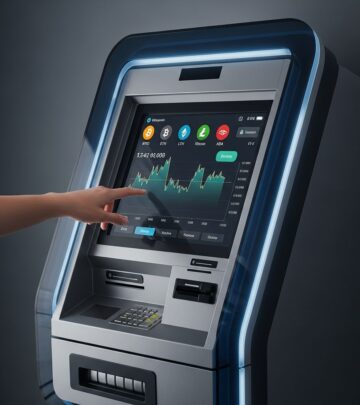
AI enables predictive services, like suggesting transfers. Contactless payments, facial recognition, and cryptocurrency dispensing loom large. Sustainability drives energy-efficient, recycled-material builds.
Frequently Asked Questions (FAQs)
What is an ATM?
An Automated Teller Machine (ATM) is an electronic device for banking tasks like cash access without a teller.
Can I deposit checks at an ATM?
Yes, many feature imaging scanners for remote deposit capture.
How do I avoid ATM fees?
Use your bank’s network and check for surcharge alerts.
Are ATMs safe at night?
Prefer well-lit, monitored locations; use apps for alerts.
What if I forget my PIN?
Cancel the transaction; contact your bank to reset.
References
- ATM Banking — Illinois State Board of Education (ISBE). 2015. https://www.isbe.net/CTEDocuments/E-620195.pdf
- Differences Between ATMs and Personal Teller Machines — Source Technologies. 2023. https://www.sourcetech.com/blog/differences-between-atms-and-personal-teller-machines
- All You Need to Know About ATM Processing — Edge One. 2024. https://www.edgeone.com/everything-you-need-to-know-about-atm-processing/
- What is an ATM? Automated Teller Machine Guide — Blue Point ATM. 2023. https://bluepointatm.com/what-is-an-atm-automated-teller-machine-guide/
- The Enduring Role of ATMs in a Digital-First World — PULSE Network. 2024. https://content.pulsenetwork.com/recent-news/the-enduring-role-of-atm-s-in-a-digital-first-world
- What Is an ATM? — Bankrate. 2025. https://www.bankrate.com/banking/what-is-an-atm/
Similar Articles








Read full bio of Sneha Tete