Delta State University: Profile & College Guide
Explore Delta State University: academics, campus life, admissions, and financial aid.
Delta State University Profile Overview
Delta State University (DSU) stands as a comprehensive public institution located in Cleveland, Mississippi, serving students across the Mississippi Delta region and beyond. With a commitment to accessible higher education and strong community engagement, Delta State has evolved from its founding as a teacher’s college in 1924 into a modern regional university offering diverse academic programs and vibrant campus life. The university maintains a distinctive character as a mid-sized institution, large enough to provide extensive resources and research opportunities while remaining small enough to foster meaningful personal connections between students and faculty.
Academic Programs and Colleges
Delta State University delivers comprehensive academic programming through three primary colleges, each designed to meet specific disciplinary and professional needs. The university’s academic structure reflects its evolution from a teacher-training institution to a multi-purpose university while maintaining excellence in educator preparation.
College of Education, Arts and Humanities
This college encompasses traditional liberal arts disciplines alongside specialized education programs. The institution offers undergraduate degrees in Elementary Education, Biology Education, English Education, Music Education, Social Sciences Education, and Art Education. At the graduate level, the college provides master’s degrees in Elementary Education, Educational Leadership, Special Education, Health and Physical Education and Recreation, and Counselor Education. The college also offers a doctoral program (EdD) in Professional Studies, preparing graduates for leadership positions in junior colleges, community colleges, and administrative roles within state education departments.
College of Business and Aviation
Recognizing the importance of business education and emerging aviation industries, this college delivers programs ranging from traditional business administration to specialized commercial aviation training. The university’s Commercial Aviation program stands as one of its distinctive offerings, providing hands-on training in aviation operations and management alongside core business disciplines.
College of Nursing, Health and Sciences
The School of Nursing, established in 1978, represents a cornerstone of the university’s health professions offerings. This college combines nursing education with programs in biological sciences, physical sciences, and health-related disciplines, preparing students for careers in healthcare and medical research. The nursing program has achieved recognition for producing well-prepared healthcare professionals serving regional and national healthcare systems.
Admissions and Acceptance
Delta State University operates an open admissions policy, welcoming students who demonstrate commitment to higher education regardless of standardized test scores. The university’s 100% acceptance rate reflects its institutional mission to provide educational access while maintaining academic standards through coursework and ongoing student support. This inclusive approach aligns with the university’s historical commitment to making higher education accessible to students from diverse socioeconomic backgrounds.
Standardized Test Scores
For students choosing to submit standardized test scores, Delta State reports an SAT range of 915–1205, providing context for admitted student academic preparation. The university accepts both SAT and ACT scores, allowing students flexibility in demonstrating their academic readiness for college-level coursework.
Cost and Financial Aid
Financial accessibility represents a core institutional value at Delta State University. The average annual cost after financial aid stands at approximately $13,000, making the institution one of the more affordable public university options in the region. This affordability supports the university’s mission to serve students from all economic backgrounds.
Tuition Structure
Total tuition costs are reported at $6,859 annually for undergraduate programs, with additional fees and living expenses factored into the comprehensive cost of attendance. The university participates in federal financial aid programs, state grant opportunities, and institutional scholarship programs designed to reduce student debt burden and increase access to quality higher education.
Campus Life and Student Culture
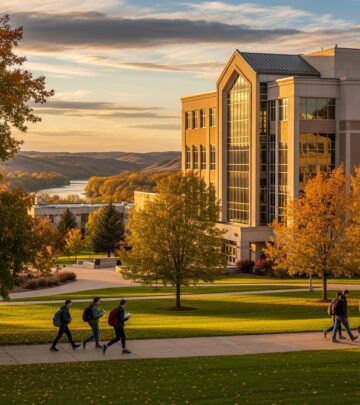
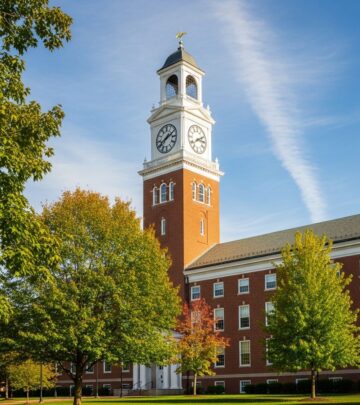
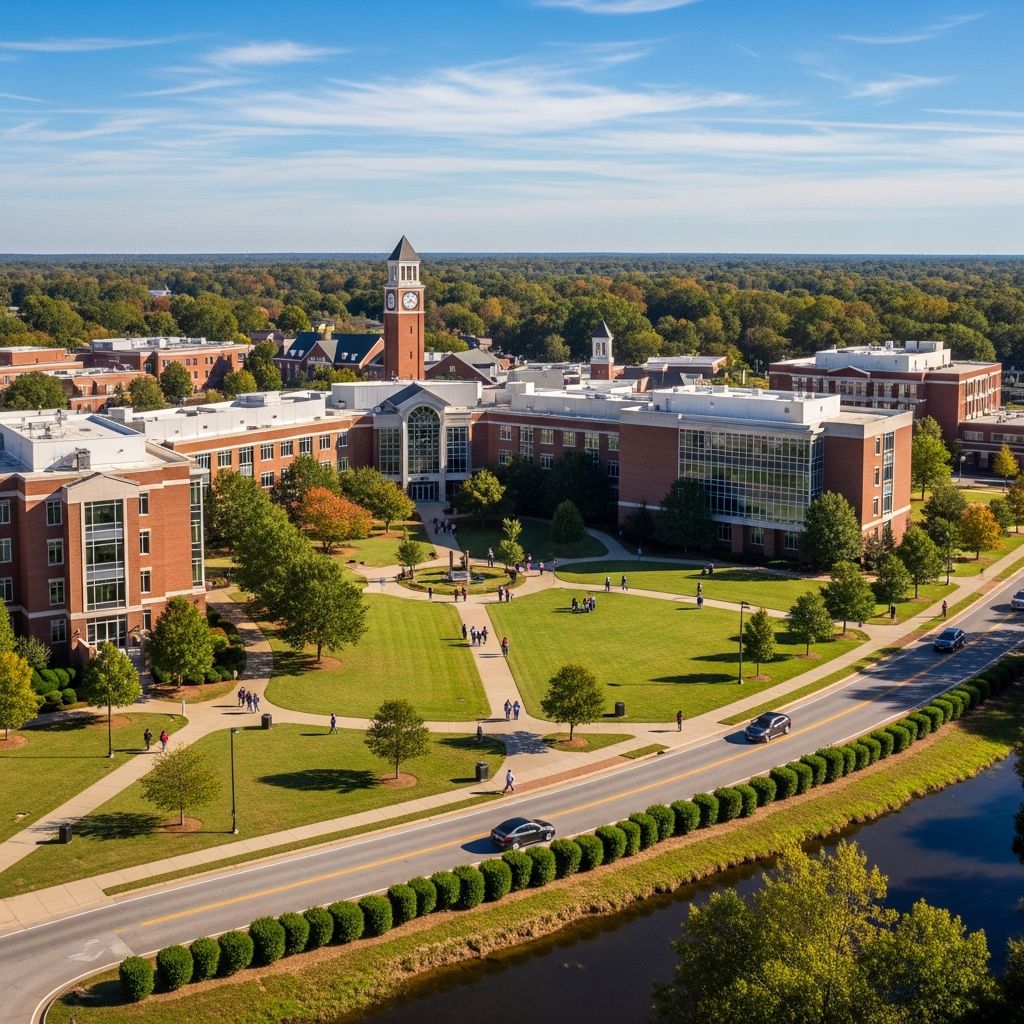
Delta State University cultivates a distinctive campus culture characterized by warmth, inclusivity, and community engagement. The 332-acre campus features 64 buildings constructed with distinctive yellow, orange, and white brick architecture, creating a recognizable and aesthetically cohesive environment. The campus design balances traditional Southern architectural elements with modern facilities, including recently renovated student spaces that enhance community and connection.
Diversity and Inclusion
The university actively fosters a welcoming environment where students from diverse racial, ethnic, and cultural backgrounds feel included and valued. Delta State’s commitment to hospitality extends beyond welcoming statements to concrete actions supporting intercultural dialogue and collaborative learning. While some students have noted desires for increased faculty diversity, the overall institutional culture reflects genuine commitment to creating an inclusive community of scholars.
Safety and Security
Students consistently report feeling safe on the Delta State campus, with campus police actively patrolling facilities and responding effectively to security concerns. The university’s emergency response protocols, tested through various scenarios, have earned student praise for maintaining campus safety while minimizing disruption to academic life and community activities.
Academic Support and Class Size
Small class sizes facilitate meaningful interactions between students and faculty, with professors deeply invested in student success. This personal attention represents a significant advantage for students transitioning to college-level work or those requiring additional academic support. Professors regularly mentor students through research projects, internships, and career planning, ensuring educational experiences extend beyond classroom instruction.
Extracurricular Activities
Delta State provides diverse opportunities for student engagement through Greek life, student clubs, and organized activities. Campus events and cultural programming foster community building, though some students note that event frequency and variety vary across academic semesters. The university continues developing student life programming to enhance residential campus culture and community engagement.
Campus Facilities and Resources
Delta State’s campus encompasses modern academic facilities, residence halls, dining centers, and recreational spaces. Recent renovations to the student union enhanced community gathering spaces, creating environments conducive to both academic collaboration and social connection. The university’s location in Cleveland, Mississippi, provides access to distinctive cultural resources including the state-of-the-art GRAMMY Museum Mississippi and the Bologna Performing Arts Center, both located on or near campus. These facilities enhance student cultural experiences and provide performance and exhibition opportunities for student artists.
Enrollment and Institutional Size
Delta State University serves approximately 2,700 students, with full-time undergraduate enrollment of 1,407 students and part-time undergraduate enrollment of 557 students, representing a small but active undergraduate population. This enrollment scale allows the university to maintain personal attention while offering comprehensive academic programming. About 30 percent of students reside in on-campus housing, with the university providing men’s and women’s dormitories as well as apartments for married students, supporting diverse housing needs.
Graduation Rates and Student Outcomes
Delta State reports a graduation rate of 47%, reflecting the challenges facing regional public universities serving first-generation and non-traditional students. The university works continuously to enhance student retention and completion through academic support services, financial aid coordination, and career services. Graduates pursue careers in education, business, healthcare, aviation, and other fields, with many returning to service northern Mississippi Delta counties and the broader region.
Location and Regional Context
Located at 1003 W Sunflower Road (Highway 8 West) in the northwest area of Cleveland, Mississippi, Delta State occupies a strategic position in the Mississippi Delta. Cleveland, described as a thriving small town with big-city attractions, offers students a balanced environment combining small-town community values with access to cultural and educational resources. The university’s regional focus particularly emphasizes service to northern Delta counties and maintains campus centers in Clarksdale and Greenville, extending educational access throughout the region.
Institutional History and Mission
Founded in 1924 as Delta State Teachers College, the institution has undergone significant evolution while maintaining its commitment to educational excellence. Senate Bill No. 263, sponsored by Senators William B. Roberts and Arthur Marshall on February 19, 1924, officially established the institution using facilities of the former Bolivar County Agricultural High School. The university’s name changed to Delta State College in 1955, then Delta State University in 1974, reflecting expanded academic scope and mission.
As a Southern Association of Colleges and Schools (SACS) accredited Carnegie Master’s I university, Delta State maintains rigorous institutional standards while pursuing its mission as an educational and cultural center in the Mississippi Delta. The university emphasizes quality classroom instruction, small classes, friendly environment, and broad liberal arts foundations, encouraging student intellectual and personal development.
Graduate Education and Doctoral Programs
Delta State University offers master’s degrees in business, commercial aviation, education, natural and social sciences, and nursing. The university also provides Educational Specialist degrees and Doctor of Education degrees in Professional Studies, serving graduate students seeking advanced credentials for leadership and specialized roles. Graduate programming reflects institutional commitment to continuing professional development and advanced research across multiple disciplines.
Specialized Programs and Distinctions
Beyond traditional academic offerings, Delta State provides distinctive programs including the nationally-recognized Geospatial Information Technology program and the Delta Music Institute, reflecting the university’s responsiveness to emerging career fields and regional cultural traditions. The Commercial Aviation program provides specialized training in aviation operations, maintenance, and management, preparing students for careers in commercial aviation industries. These unique programs distinguish Delta State within regional higher education while meeting specific workforce development needs.
Frequently Asked Questions
Q: What is the acceptance rate at Delta State University?
A: Delta State University maintains a 100% acceptance rate through open admissions policies, welcoming students committed to pursuing higher education regardless of standardized test scores.
Q: What is the average cost of attending Delta State University?
A: The average annual cost after financial aid is approximately $13,000, with total tuition at $6,859 annually, making Delta State one of the more affordable public university options in Mississippi.
Q: What are the most popular majors at Delta State University?
A: Popular majors include Nursing, Physical Education Teaching and Coaching, and Elementary Education, reflecting the university’s strengths in health professions and education programs.
Q: What is the graduation rate at Delta State University?
A: Delta State reports a graduation rate of 47%, typical for regional public universities serving first-generation and non-traditional student populations.
Q: Does Delta State University offer graduate programs?
A: Yes, Delta State offers master’s degrees, Educational Specialist degrees, and Doctor of Education degrees across multiple disciplines including business, education, nursing, and aviation.
Q: What percentage of Delta State students live on campus?
A: Approximately 30 percent of Delta State students reside in on-campus housing, with the university providing traditional dormitories and apartments for married students.
Q: Is Delta State University accredited?
A: Yes, Delta State University is accredited by the Southern Association of Colleges and Schools (SACS) Commission on Colleges and classified as a Carnegie Master’s I institution.
References
- Delta State University Institutional Overview — Delta State University. 2024. https://deltastate.edu
- Delta State University College Profile — Niche. 2025. https://www.niche.com/colleges/delta-state-university/
- Delta State University Campus Overview — Delta State University. 2025. https://delta.stateuniversity.com
- Delta State University International Student Information — International Student. 2025. https://www.internationalstudent.com/school-search/524/usa/mississippi/delta-state-university/
- Delta State University College Search Profile — College Board BigFuture. 2025. https://bigfuture.collegeboard.org/colleges/delta-state-university
- Delta State University — Wikipedia. 2025. https://en.wikipedia.org/wiki/Delta_State_University
- Delta State University Admissions and Academics — Magellan Exchange. 2025. https://www.magellanexchange.org/institutions/delta-state-university/
Similar Articles








Read full bio of Sneha Tete