Delivery Duty Paid (DDP): Complete Guide
Master DDP shipping: Understanding seller responsibilities, costs, and international trade obligations.
What is Delivery Duty Paid (DDP)?
Delivery Duty Paid, commonly abbreviated as DDP, is an Incoterm that defines a delivery agreement in international commerce where the seller (exporter) assumes comprehensive responsibility for the shipment until it reaches its final destination. Under a DDP arrangement, the seller bears all costs, risks, and responsibilities associated with transporting goods from the point of origin to the buyer’s specified location. This includes covering transportation expenses, managing customs procedures, and paying all applicable duties and taxes. DDP represents the maximum level of obligation a seller can undertake in an international trade transaction, making it one of the most seller-favorable arrangements for buyers.
Understanding DDP Incoterms
DDP is an Incoterm published by the International Chamber of Commerce (ICC) as part of its International Commercial Terms framework. These standardized rules facilitate international transactions by clearly defining the responsibilities of both buyers and sellers, reducing disputes and ambiguities in cross-border commerce. Under DDP, the buyer’s primary obligation is to accept delivery of the goods once they arrive at the named destination. The buyer is responsible only for unloading the merchandise and transporting it from the port to their warehouse or facility if that constitutes the agreed-upon terminal destination. In some contracts, sellers may even assume responsibility for final-mile delivery to the buyer’s door.
Key Characteristics of DDP
The defining characteristic of DDP is the complete transfer of risk and cost responsibility from the seller to the buyer only at the final destination point. Until goods reach their named destination, the seller maintains full accountability for any losses, damages, or complications that may arise. This comprehensive coverage provides significant peace of mind for buyers, as they face no unexpected costs or complications upon goods’ arrival. The seller must arrange suitable transportation, navigate all customs procedures, secure necessary documentation, and ensure compliance with import regulations in the destination country.
Seller’s Obligations Under DDP
When entering into a DDP agreement, the seller undertakes numerous responsibilities that extend throughout the entire supply chain:
Transportation and Delivery
The seller must arrange and pay for all transportation costs to deliver goods to the named destination. This includes selecting appropriate shipping methods, whether by air, sea, rail, or road, and managing the logistics to ensure timely delivery. The seller also bears responsibility for any delay or loss during transit.
Customs Clearance and Documentation
The seller must handle all export formalities in the origin country and import formalities in the destination country. This involves preparing export documentation, obtaining necessary permits and licenses, and completing customs paperwork. The seller also manages the import clearance process, ensuring all documentation meets destination country requirements.
Duties, Taxes, and Fees
Under DDP, the seller is responsible for paying all applicable customs duties, import taxes, and any other charges imposed by the destination country. This eliminates surprises for the buyer, as all costs are predetermined or clearly understood as seller obligations. The seller may choose to absorb these costs or incorporate them into the product pricing.
Risk and Insurance
While sellers are not strictly required to insure goods under DDP terms, it is highly advisable. The seller bears all risks of loss or damage to goods until delivery at the destination, making insurance a prudent business practice. Comprehensive insurance protects against transit damage, theft, and other unforeseen circumstances.
Notification and Communication
The seller must provide the buyer with all necessary notifications about shipment status, documentation requirements, and delivery schedules. Clear communication ensures the buyer can properly prepare for goods’ arrival and arrange for unloading and subsequent transportation to their facility.
Buyer’s Obligations and Responsibilities
While sellers bear most responsibilities under DDP, buyers have specific obligations they must fulfill:
Payment for Goods
The buyer must pay the agreed-upon price for goods as specified in the sales contract. The Incoterms do not dictate payment timing or method; these details are established separately in the commercial agreement. Buyers may arrange prepayment, payment upon document presentation, or other arrangements mutually agreed with sellers.
Receiving and Unloading
Once goods arrive at the named destination, the buyer assumes responsibility for unloading them from transportation vehicles. If the destination is the buyer’s port or facility, the buyer must arrange for goods removal and transport to their warehouse or operations center. The buyer also assumes all risks and responsibilities for goods once delivery is completed.
Inspection and Acceptance
The buyer should inspect goods upon arrival to verify they match the sales order and are undamaged. While the seller bears responsibility until delivery, prompt inspection helps document any damage or discrepancies for potential claims.
Advantages of DDP Shipping
For Buyers
DDP arrangements offer significant advantages for buyers, particularly those seeking simplified international purchasing processes. Buyers enjoy complete cost transparency, as all fees and charges are either included in the quoted price or clearly identified as seller obligations. This eliminates surprise costs upon goods’ arrival, allowing for accurate budgeting and financial planning. The buyer also benefits from the seller’s expertise in navigating complex customs procedures and regulations in the destination country. DDP provides comprehensive coverage and is considered an excellent customer experience option, as sellers assume maximum responsibility for ensuring successful delivery.
For Sellers
Although DDP places significant obligations on sellers, it offers strategic advantages for companies aiming to provide superior customer service and competitive differentiation. By offering DDP terms, sellers can attract more customers, particularly those who prefer simplified purchasing arrangements. Sellers can choose to absorb DDP costs as part of their business model or pass them to customers through higher pricing, maintaining pricing flexibility. For sellers with strong logistics capabilities and customs expertise, DDP arrangements can enhance their market position and customer relationships.
Disadvantages of DDP Shipping
Challenges for Sellers
The primary disadvantage of DDP for sellers is the extensive cost and risk exposure. Sellers must accurately estimate all potential costs, including variable customs duties and taxes, which can be difficult to predict precisely. Currency fluctuations, changing regulatory requirements, and unexpected transportation complications can erode profit margins. Sellers also lose control over the import process once goods enter the destination country, limiting their ability to manage potential delays or complications. For sellers unfamiliar with destination country regulations, DDP arrangements can expose them to compliance risks and unexpected expenses.
Challenges for Buyers
Although DDP favors buyers, it can present disadvantages for cost-conscious organizations. Some buyers prefer alternative arrangements that provide more control over import procedures and customs clearance processes. Buyers who possess expertise in destination country regulations and can negotiate better duty rates might find DDP arrangements less favorable than alternatives where they control the import process. Additionally, buyers have limited control over shipping methods and logistics providers selected by sellers, potentially affecting delivery speed or handling quality.
DDP vs. Other Incoterms
DDP Compared to FOB (Free on Board)
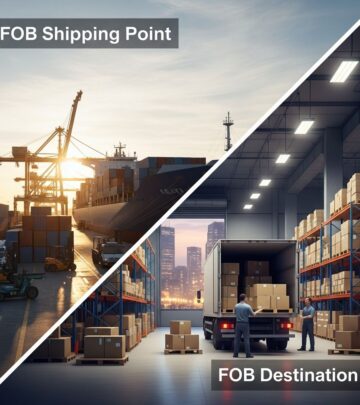
Free on Board (FOB) and DDP represent fundamentally different risk and responsibility allocations. Under FOB, the seller is responsible for goods and transportation costs only until delivery to the shipping port. The buyer then assumes all responsibility, risks, and costs from the port onward, including freight to the final destination, import duties, and customs clearance. With DDP, the seller maintains responsibility for all costs and risks until goods reach the buyer’s facility. Buyers typically prefer DDP for its comprehensive coverage, while cost-conscious organizations may choose FOB to reduce seller prices and assume greater control over the import process.
DDP Compared to DDU (Delivered Duty Unpaid)
Delivered Duty Unpaid (DDU), though largely replaced by Delivered at Place (DAP) in current Incoterms, remains relevant for understanding DDP distinctions. Under DDU, the seller is responsible for delivering goods safely to the destination but does not cover import duties and taxes. The buyer handles import duties, taxes, and customs clearance, potentially facing surprise charges upon arrival. With DDP, the seller covers all duties and taxes, eliminating unexpected costs for buyers. DDU suits buyers wanting greater control over import procedures and those with expertise in destination country regulations. DDP suits buyers preferring straightforward, all-inclusive arrangements.
DDP Compared to DAP (Delivered at Place)
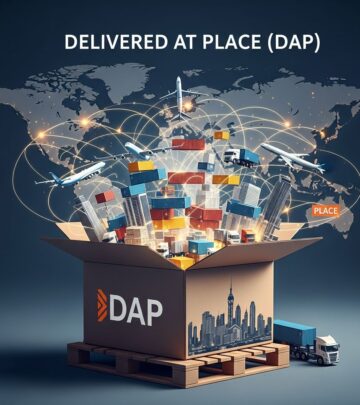
Delivered at Place (DAP), the modern successor to DDU, represents a middle ground between FOB and DDP. Under DAP, the seller covers all transportation costs and risks to the named destination but does not pay import duties and taxes. The buyer assumes responsibility for import duties, taxes, and customs clearance. DAP offers sellers moderate responsibility and cost exposure, while giving buyers more control over import procedures than DDP arrangements provide.
DDP in Different Markets and Scenarios
International Trade Applications
DDP arrangements work effectively for domestic transactions and trade within customs unions where internal borders and duties are eliminated. However, DDP can be problematic for complex international trade involving multiple countries, varying regulatory requirements, and unpredictable customs procedures. Sellers face significant uncertainty regarding ultimate costs when navigating unfamiliar regulatory environments.
Best Practices for DDP Arrangements
Parties entering DDP agreements should establish clear, detailed contracts specifying the exact named destination, acceptable delivery conditions, and procedures for handling unforeseen complications. Insurance coverage is strongly recommended for sellers to mitigate damage and loss risks. Sellers should maintain updated knowledge of destination country regulations and maintain relationships with reliable customs brokers. Buyers should establish clear receiving procedures and inspection protocols to verify goods’ condition upon arrival.
Frequently Asked Questions About DDP
Q: Who bears the risk of damage during transit under DDP?
A: The seller bears all risks of damage or loss to goods during transit until delivery at the named destination. Only after goods are delivered does the buyer assume responsibility for any damage.
Q: Can sellers refuse DDP arrangements?
A: Yes, sellers can decline DDP terms and propose alternative Incoterms such as FOB or DAP. However, offering DDP can provide competitive advantages in attracting customers seeking simplified international purchasing.
Q: How do sellers manage uncertainty regarding destination country duties and taxes?
A: Sellers can research current duty rates and tax schedules for their products, consult with customs brokers, build contingency margins into pricing, or purchase special insurance covering duty and tax fluctuations.
Q: Is insurance mandatory under DDP terms?
A: While not mandatory, insurance is highly advisable for sellers under DDP arrangements. It protects against financial losses from damage, theft, or loss during transit and helps ensure sellers can fulfill their delivery obligations.
Q: Can DDP terms specify delivery to the buyer’s warehouse rather than port?
A: Yes, contracts can specify any mutually agreed location as the named destination. Sellers are responsible for delivering to that specific location, whether it is a port, warehouse, or facility entrance.
Q: How do DDP arrangements work in e-commerce and small shipments?
A: E-commerce sellers increasingly offer DDP-like terms, handling all shipping, duties, and taxes to provide seamless customer experiences. For small shipments, sellers often work with international logistics providers and customs brokers to manage DDP obligations efficiently.
References
- What is Delivery Duty Paid (DDP)? — Windward. 2025. https://windward.ai/glossary/delivery-duty-paid-ddp/
- DDP Incoterms: Delivery Duty Paid Guide — Trade Finance Global. 2025. https://www.tradefinanceglobal.com/incoterms/ddp-delivery-duty-paid/
- Delivered Duty Paid (DDP): Meaning, Uses, Obligations & Advantages — GeeksforGeeks. 2025. https://www.geeksforgeeks.org/finance/delivered-duty-paid-ddp-meaning-uses-obligations-advantages/
- Delivered Duty Paid (DDP) — Corporate Finance Institute. 2025. https://corporatefinanceinstitute.com/resources/commercial-lending/delivered-duty-paid-ddp/
- International Commercial Terms (Incoterms) — International Chamber of Commerce. 2020. https://iccwbo.org/business-solutions/incoterms/
Similar Articles








Read full bio of Sneha Tete