Delinquent: Definition, Types, and Financial Impact
Understand delinquency: What it means, consequences, and prevention strategies.
Understanding Delinquency: A Comprehensive Financial Guide
Delinquency is a critical concept in personal finance that occurs when a borrower fails to make required payments on a loan or credit obligation by the agreed-upon due date. Whether it involves mortgage payments, credit card bills, student loans, or other forms of debt, delinquency represents a breach of the lending agreement and can have serious consequences for both the borrower and the lender. Understanding what constitutes delinquency, how it develops, and its implications is essential for maintaining good financial health and creditworthiness.
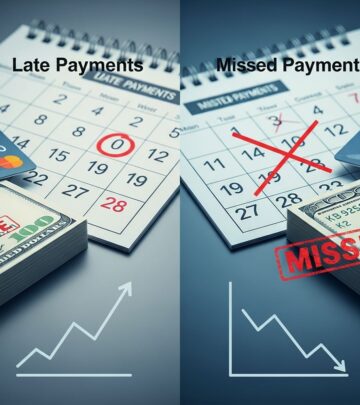
The term “delinquent” is used to describe accounts that are overdue, meaning payments have not been made within the specified timeframe. Unlike a default, which is typically declared after an extended period of non-payment, delinquency can begin as early as one day after a payment is due. However, most lenders and credit reporting agencies don’t formally report an account as delinquent until it is 30 days past due. This distinction is important because even brief periods of delinquency can negatively affect a borrower’s credit profile.
Definition of Delinquent
A delinquent account is one in which a borrower has failed to make a required payment on their obligation by the due date specified in the lending agreement. The status of delinquency is triggered when a payment is missed, and the account enters a state where the borrower is in violation of the loan terms. Financial institutions and credit reporting agencies track these missed payments carefully, as they serve as indicators of financial responsibility and creditworthiness.
The key characteristics of a delinquent account include:
- Missed payment on or after the due date
- Failure to pay the minimum required amount
- Account status reported to credit bureaus when significantly overdue
- Accrual of late fees and potential interest rate increases
- Possible impact on credit score and future borrowing ability
It’s important to note that delinquency exists on a continuum. An account that is 30 days late is delinquent, but so is one that is 60, 90, or 120 days late. As time passes without payment, the severity of the delinquency increases, and so do the consequences for the borrower.
Types of Delinquent Accounts
Delinquency can apply to various types of debt obligations. Understanding the different types of delinquent accounts helps borrowers recognize where they may be at risk and what specific consequences might apply to their situation.
Mortgage Delinquency
Mortgage delinquency occurs when a homeowner fails to make their required monthly mortgage payment. This is one of the most serious forms of delinquency because the consequence can ultimately result in foreclosure, where the lender takes back the property. Mortgage delinquency typically progresses through stages: 30 days late, 60 days late, 90 days late, and finally foreclosure proceedings may begin. Lenders are often required to send notices to borrowers and may offer options such as loan modification or forbearance to help prevent foreclosure.
Credit Card Delinquency
Credit card delinquency occurs when a cardholder fails to make at least the minimum required payment by the due date. Credit card companies begin tracking late payments immediately and typically report the delinquency to credit bureaus after 30 days. Credit card delinquency can result in late fees, higher interest rates, and a negative impact on credit scores. Additionally, the credit card issuer may freeze the account or reduce the available credit line.
Student Loan Delinquency
Student loan delinquency happens when a borrower misses scheduled loan payments. Federal student loans have specific protocols for delinquency, with serious consequences beginning at 90 days past due, including default status which can trigger wage garnishment and offset of tax refunds. Private student loans may have different terms and consequences.
Auto Loan Delinquency
Auto loan delinquency occurs when a car owner fails to make the required monthly payment. Unlike mortgages, auto lenders can repossess vehicles relatively quickly, sometimes after just 60-90 days of delinquency. This type of delinquency can result in the loss of transportation and significant financial consequences.
Utility Bill and Other Account Delinquency
Delinquency is not limited to traditional loans and credit products. Utility bills, medical bills, and other obligations can also become delinquent. While these may not directly affect credit scores in the same way, they can result in service disconnection, collection action, and legal consequences.
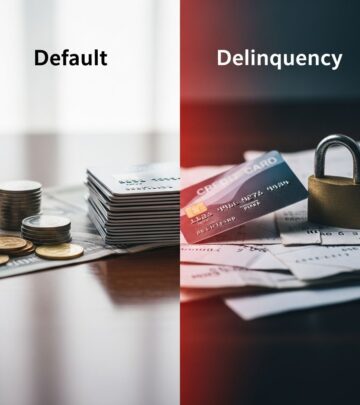
The Difference Between Delinquency and Default
While these terms are often used interchangeably, delinquency and default are distinct concepts with different implications. Understanding the difference is crucial for borrowers navigating financial difficulties.
Delinquency refers to the status of being past due on a payment obligation. An account becomes delinquent when a payment is not made by the due date. The timeline for formal reporting begins at 30 days past due for most accounts. Delinquency is a temporary state that can potentially be resolved by making the overdue payment and any associated late fees.
Default, on the other hand, is a more serious status that typically occurs after a prolonged period of delinquency. For most loans, default is declared when an account is 120-180 days past due, although this timeline can vary by loan type and lender. Once an account is in default, the lender may pursue aggressive collection actions, including legal proceedings, and may declare the entire outstanding balance immediately due. For mortgages, default can lead to foreclosure, and for federal student loans, it can trigger wage garnishment and tax refund offset.
Impact on Credit Scores and Reports
One of the most significant consequences of delinquency is its negative impact on credit scores and credit reports. Credit bureaus track payment history, which accounts for approximately 35% of a credit score calculation. A single late payment can cause a substantial drop in a borrower’s credit score.
Key impacts include:
- Immediate Damage: Late payments are reported to credit bureaus and can cause immediate score reductions
- Long-term Impact: Late payment information remains on credit reports for up to seven years
- Severity Effect: The more recent the delinquency, the greater the impact on credit scores
- Account Status: Delinquent accounts are marked with negative notations that creditors and lenders can see
- Future Borrowing: Lower credit scores result in higher interest rates, reduced credit limits, and potential loan denials
Consequences of Delinquency
Beyond credit score impacts, delinquency carries multiple serious financial and legal consequences that borrowers should understand.
Financial Penalties
Delinquent accounts typically incur late fees, which vary depending on the type of debt and the lender’s policies. Additionally, many lenders reserve the right to increase interest rates on delinquent accounts, making the debt more expensive and harder to repay. Some lenders may also impose penalties or reduce available credit, further limiting borrowing options.
Collection Action
After a certain period of delinquency, creditors may turn accounts over to collection agencies. These agencies employ aggressive collection tactics, including repeated phone calls, letters, and potentially legal action. Collection accounts can significantly damage credit scores and may appear on credit reports for seven years.
Legal Consequences
Creditors may file lawsuits against delinquent borrowers, seeking judgments to collect the debt. A court judgment can result in wage garnishment, bank account levies, and property liens. These legal consequences can severely impact a borrower’s financial situation.
Loss of Assets
For secured debts like mortgages and auto loans, delinquency can result in foreclosure or repossession. This means the loss of the collateral property, which can have devastating financial and personal consequences.
Recovery from Delinquency
The good news is that delinquency is not permanent, and borrowers have several options to recover and rebuild their financial standing.
Making Up Missed Payments
The most straightforward recovery option is to make the delinquent payment plus any accumulated late fees and interest as soon as possible. Bringing the account current stops further damage and demonstrates financial responsibility to creditors. However, the payment history notation will remain on the credit report for a specified period.
Loan Modification or Forbearance
For mortgages and student loans, lenders may offer modifications or forbearance agreements that temporarily reduce or suspend payments to help borrowers get back on track. These options can prevent default and foreclosure while allowing time to improve financial circumstances.
Debt Consolidation
Some borrowers benefit from consolidating multiple debts into a single loan with a lower interest rate and more manageable payment schedule. This can help bring delinquent accounts current and reduce overall monthly obligations.
Credit Counseling and Debt Management Plans
Non-profit credit counseling agencies can help develop debt management plans and negotiate with creditors on behalf of borrowers. These services provide education on financial management and may help establish more sustainable payment arrangements.
Prevention Strategies
The best approach to delinquency is prevention. By implementing sound financial management practices, borrowers can avoid the negative consequences altogether.
- Budget Carefully: Create a detailed budget that accounts for all debt obligations and ensures sufficient income to cover payments
- Set Up Automatic Payments: Automate minimum payments to ensure they are never missed
- Communicate with Lenders: If financial hardship occurs, contact lenders proactively to discuss options before accounts become delinquent
- Maintain Emergency Savings: Build an emergency fund to cover unexpected expenses and temporary income loss
- Prioritize Debt: Focus on paying obligations that are most critical first, such as mortgages and utilities
- Monitor Credit Reports: Regularly review credit reports for errors and unauthorized accounts that could lead to unintended delinquency
Rebuilding Credit After Delinquency
Once delinquency has occurred and the account is brought current, rebuilding credit requires time and consistent responsible financial behavior. Negative payment history will continue to impact credit scores but with diminishing severity over time. Borrowers can accelerate credit recovery by maintaining perfect payment history on all current obligations, reducing credit utilization ratios, and possibly obtaining secured credit products designed for credit building.
The timeline for credit recovery varies depending on the severity and recency of the delinquency, but most borrowers can see meaningful improvement within 12-24 months of demonstrating responsible financial behavior.
Frequently Asked Questions (FAQs)
Q: When does a missed payment become delinquent?
A: A payment is technically delinquent the day after the due date passes. However, most lenders and credit bureaus don’t formally report delinquency until an account is 30 days past due, though late fees may apply immediately.
Q: How long does delinquency stay on a credit report?
A: Delinquent payment information typically remains on credit reports for up to seven years from the original delinquency date. The impact on credit scores diminishes over time, but the notation will remain visible throughout this period.
Q: Can I remove a delinquency from my credit report?
A: Accurate delinquency information cannot be removed before the seven-year period expires. However, you can dispute inaccuracies with credit bureaus, and creditors may sometimes agree to remove or modify reporting in exchange for payment settlements.
Q: What’s the difference between 30, 60, and 90 days delinquent?
A: These represent progressive stages of delinquency. At 30 days late, the account is reported to credit bureaus and late fees apply. At 60 days, the consequences intensify. At 90 days, many lenders declare the account in default and pursue aggressive collection action.
Q: Will delinquency affect my ability to get a loan?
A: Yes, delinquency significantly impacts creditworthiness. Lenders may deny loan applications from those with recent delinquencies or offer loans only at much higher interest rates. The impact decreases over time with improved payment history.
Q: Can I negotiate with creditors about delinquent accounts?
A: Yes, creditors may be willing to negotiate payment arrangements, settlements, or modifications to help borrowers avoid default. It’s often beneficial to contact creditors proactively before accounts become severely delinquent.
References
- Federal Reserve – Financial Delinquency Information — Board of Governors of the Federal Reserve System. 2024. https://www.federalreserve.gov/
- Consumer Financial Protection Bureau – Debt Collection — CFPB. 2024. https://www.consumerfinance.gov/
- Fair Credit Reporting Act Guidelines — Federal Trade Commission. 2024. https://www.ftc.gov/
- Federal Student Aid – Student Loan Delinquency — U.S. Department of Education. 2024. https://studentaid.gov/
- National Foundation for Credit Counseling – Financial Education — NFCC. 2024. https://www.nfcc.org/
- Equifax – Credit Score Impact Guide — Equifax. 2024. https://www.equifax.com/
Similar Articles








Read full bio of medha deb