Definition of Grantor: Complete Guide to Grantors
Understand what a grantor is and their critical role in property transfers, trusts, and legal transactions.

What Is a Grantor?
A grantor is a person or entity who transfers ownership or an interest in property to another party, known as a grantee. The term “grantor” comes from the Latin word “grant,” meaning to give or bestow. In legal and financial contexts, a grantor plays a fundamental role in various types of transactions, from real estate sales to estate planning arrangements. Understanding the definition and responsibilities of a grantor is essential for anyone involved in property transfers, trust creation, or real estate dealings.
Grantors can be individuals, corporations, trusts, or government entities, depending on who holds the legal title to the property or assets being transferred. The grantor must have legal capacity and lawful ownership to convey title to another party. When a grantor transfers property, they do so through a legal document, typically a deed in real estate transactions or a trust agreement in estate planning scenarios.
Understanding the Grantor’s Role in Different Contexts
The term “grantor” appears in multiple legal and financial contexts, each with slightly different applications and responsibilities. Whether you’re buying property, establishing a trust, or applying for a grant, understanding the grantor’s role is crucial to navigating the transaction successfully.
Grantor in Real Estate Transactions
In real estate, a grantor is the seller or property owner who transfers title to a buyer through a deed. The grantor is typically the person whose name appears on the existing title document and who signs the deed transferring ownership to the grantee. In a home sale, for example, the property owner (grantor) executes a deed conveying ownership to the buyer (grantee).
The grantor’s responsibilities in real estate transactions include ensuring clear title, resolving any liens or encumbrances, providing accurate documentation, and signing the deed for recordation. The grantor must verify that there are no undisclosed encumbrances or title defects that could affect the buyer’s ownership rights. This careful attention to detail protects both parties and ensures a smooth property transfer.
Grantor in Trust and Estate Planning
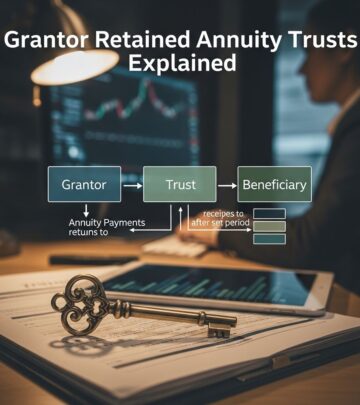
In estate planning, a grantor is the person who creates and funds a trust, also known as the settlor or trustor. The grantor transfers their personal assets into the trust and makes critical decisions about how these assets will be managed and distributed. As the grantor, this individual retains significant control over the trust’s structure and governance during the initial setup phase.
The grantor’s role in trust creation involves appointing a trustee to manage the assets, naming beneficiaries who will receive the assets, and determining the terms under which beneficiaries will receive distributions. A key benefit of establishing a trust is that assets held in the trust don’t have to go through probate, which is the court-supervised legal process of distributing property to beneficiaries.
Grantor in the Nonprofit Grants Sector
In the nonprofit world, a grantor is an entity that provides funding to a nonprofit through a grant, often with specific requirements for use and reporting. Grantors in this context can be individuals, organizations, or government agencies. The grantor gives the funds, while the grantee is the recipient organization that uses the funds for approved purposes.
The relationship between grantor and grantee in the nonprofit sector involves specific grant agreements that outline how funds should be used, what outcomes are expected, and what reporting requirements the grantee must fulfill. Proper tracking and compliance with these requirements ensures trust between the parties and increases the chances for future funding.
Grantor Responsibilities and Legal Requirements
Grantors bear significant legal responsibilities depending on the context of their transfer. Understanding these obligations is essential for anyone serving as a grantor.
Responsibilities in Real Estate Transfers
In real estate transactions, the grantor must have legal ownership and authority to convey the title. The grantor’s signature on the deed finalizes the transfer and represents their intent to pass ownership to the grantee. Before closing a real estate transaction, the grantor must ensure clear title, resolve any liens or encumbrances, provide accurate documentation, and sign the deed for recordation.
The type of deed used—such as a general warranty deed, special warranty deed, or quitclaim deed—determines the level of protection the grantor offers the grantee. A general warranty deed provides the highest level of protection, as the grantor warrants that they hold clear title. A special warranty deed limits the grantor’s warranty to the period during which they owned the property. A quitclaim deed provides the least protection, as the grantor makes no warranties about the title.
Responsibilities in Trust Creation
When creating a trust, the grantor works with an estate planning attorney or uses online estate planning software to set up a trust and title their assets in the trust’s name. The grantor must decide how assets will be managed, who will manage them, and how and when beneficiaries will receive distributions. Transferring assets to a trust may make the grantor subject to gift tax, depending on the value and nature of the assets transferred.
The grantor must also designate a trustee to administer the assets in the trust unless they’re serving as their own trustee, which is called a grantor trust. A trustee can be a person, bank, or trust company. The grantor’s written instructions to the trustee, outlined in the trust document, determine what powers the trustee has and how they should manage and distribute assets.
Tax Implications for Grantors
Grantors are subject to the federal gift tax when transferring property to a grantee without sufficient consideration. The amount of gift tax owed depends on the value of the property transferred and whether the grantor has exceeded their lifetime gift tax exemption. However, transfers to spouses or qualified charitable organizations may be exempt from gift tax.
In trust contexts, if the grantor retains control over the trust assets or has the power to revoke the trust, they may still be taxed on trust income. This is known as a grantor trust for tax purposes. Understanding the tax implications of serving as a grantor is crucial for effective estate planning and minimizing tax liability.
State-Specific Requirements: Florida Example
Legal requirements for grantors can vary significantly by state. Florida provides a useful example of state-specific grantor regulations. Under Florida law, a grantor is defined as the person or entity transferring an interest in real estate to another through a duly executed and delivered deed.
According to Chapter 689, Florida Statutes, the grantor must have legal capacity and lawful ownership to convey title. Florida law requires deeds to be signed by the grantor, witnessed by two individuals, and acknowledged before a notary public. Once recorded, the conveyance becomes part of the public record, providing notice of the ownership change. These requirements ensure the validity and legitimacy of property transfers within Florida.
Grantor vs. Grantee: Key Differences
Understanding the distinction between a grantor and a grantee is fundamental to comprehending property transfers and legal transactions.
| Aspect | Grantor | Grantee |
|---|---|---|
| Definition | The party transferring property or rights | The party receiving property or rights |
| Role | Seller, donor, or originator of transfer | Buyer, recipient, or new owner |
| Documentation | Signs the deed or transfer document | Receives the deed or transfer document |
| Responsibility | Ensures clear title and legal authority to transfer | Receives property and assumes ownership rights |
| Legal Position | Listed second on legal documents (bottom position) | Listed first on legal documents (top position) |
The grantor is essentially the originating party in any transfer, while the grantee is the receiving party. In real estate transactions, when “vs.” appears on legal documents, the grantor is on the bottom, and the grantee is on the top. The grantor must have the legal right to transfer the property, while the grantee acquires whatever rights the grantor transfers through the deed or legal document.
Types of Grantors
Grantors come in many forms, depending on the nature of the transfer and the entity holding the property or assets.
Individual Grantors
The most common type of grantor is an individual person who owns property or assets. Individual grantors might be homeowners transferring property through a sale, individuals creating trusts for estate planning purposes, or individuals making charitable donations.
Corporate Grantors
Corporations can serve as grantors when they own property or provide grants. Corporate grantors in real estate transactions must ensure they have proper authorization to transfer property. In the nonprofit sector, foundations and corporations often serve as grantors, providing funding to nonprofit organizations for various causes and initiatives.
Government and Foundation Grantors
Government agencies at federal, state, and local levels frequently serve as grantors, providing grants for education, research, social causes, and other public purposes. Private foundations and nonprofit organizations also act as grantors, funding other nonprofits and charitable initiatives.
Trust Grantors
In some cases, a trust itself can serve as a grantor when the trust holds property and transfers it to another party. When a trust acts as a grantor, the trustee typically signs the deed on behalf of the trust.
The Importance of Clear Title and Proper Documentation
For any grantor, ensuring clear title and proper documentation is essential to the validity of the transfer. In real estate, a grantor’s failure to disclose title defects, liens, or encumbrances can result in legal disputes and financial liability. Title insurance often protects grantees against hidden defects, but the grantor has a legal obligation to disclose known issues.
Proper documentation ensures that the transfer is legally valid and enforceable. In real estate transactions, this means preparing a deed with accurate legal descriptions of the property, having it properly witnessed and notarized if required by state law, and recording it with the appropriate government office. In trust contexts, proper documentation means creating a comprehensive trust agreement that clearly outlines the grantor’s intentions and the trustee’s powers and responsibilities.
Grantor Rights and Protections
While grantors bear significant responsibilities, they also have certain rights and protections. In real estate transactions, a grantor has the right to receive fair market value for their property, unless they’re making a gift. Grantors also have the right to work with qualified professionals, such as real estate attorneys and title companies, to ensure their interests are protected.
In trust contexts, a grantor can retain certain rights and powers, such as the right to amend or revoke the trust, receive income from trust assets, or serve as the trustee. These retained powers should be clearly outlined in the trust document to avoid confusion or disputes with beneficiaries.
Common Challenges and Considerations for Grantors
Grantors face several potential challenges and considerations depending on the context of their transfer. In real estate, grantors must navigate complex title issues, obtain necessary signatures and acknowledgments, and comply with state and local recording requirements. Grantors must also be aware of potential tax implications, including capital gains tax on appreciated property or gift tax on large transfers.
In trust contexts, grantors must carefully consider the structure of the trust, the selection of trustees and beneficiaries, and the tax implications of transferring assets into the trust. Grantors should work with qualified estate planning attorneys to ensure their trusts are properly drafted and funded.
In the nonprofit sector, grantors must establish clear grant agreements that specify how funds should be used, what outcomes are expected, and what reporting requirements apply. This clarity helps ensure that grants achieve their intended purposes and maintain trust between grantor and grantee.
Frequently Asked Questions
Q: Can an individual serve as a grantor in the nonprofit sector?
A: Yes, individuals can serve as grantors by providing funding directly to nonprofit organizations through grants or donations. Individuals with significant wealth or those passionate about specific causes often establish private foundations or donor-advised funds to grant money to nonprofits.
Q: What is the difference between a grantor and a settlor?
A: In estate planning, “grantor” and “settlor” mean the same thing. A settlor is the person who creates a trust, including funding the trust and making important decisions about its management and beneficiaries. The term “trustor” is also used interchangeably with grantor and settlor.
Q: What happens if a grantor transfers property they don’t legally own?
A: If a grantor attempts to transfer property they don’t own or don’t have the authority to transfer, the transfer is typically void or voidable. The grantee may have legal recourse against the grantor for breach of warranty, depending on the type of deed used and applicable state law.
Q: Can a grantor retain any control over property after transferring it?
A: In trust contexts, yes. A grantor can retain significant control over transferred assets by using a revocable trust, serving as trustee, or including specific powers in the trust document. However, in real estate sales, once the deed is executed and recorded, the grantor typically retains no ownership rights.
Q: Are there tax implications for serving as a grantor?
A: Yes, grantors may face gift tax when transferring property without receiving fair market value in return, subject to annual exclusion amounts and lifetime exemptions. In trust contexts, if the grantor retains control of the trust, they may be taxed on trust income even though they don’t directly receive it.
Q: What should a grantor do before transferring property?
A: A grantor should obtain clear title insurance, resolve any liens or encumbrances, have the property professionally appraised if necessary, consult with legal and tax professionals, and ensure all documentation is accurate and properly executed.
References
- Grantor: Definition & Role in Nonprofit Grants — Aplos. https://www.aplos.com/glossary/grantor
- grantor | Wex | US Law | LII / Legal Information Institute — Cornell Law School. 2023-01. https://www.law.cornell.edu/wex/grantor
- Grantor – Legal Glossary Definition 101 — Barnes Walker. https://barneswalker.com/legal-glossary/g/grantor/
- Understanding Trusts and Grantors — Legal Norcal. https://legalnorcal.com/understanding-trusts-and-grantors/
- What Is a Grantor? Roles, Types and Estate Planning — NerdWallet. https://www.nerdwallet.com/estate-planning/learn/grantor
Similar Articles








Read full bio of medha deb