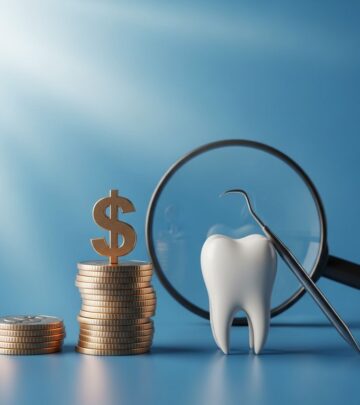
Defensive Dentistry: Avoid Expensive Dental Problems
Master preventive strategies to safeguard your smile and wallet from costly dental emergencies and treatments.

Defensive dentistry emphasizes proactive measures to prevent dental issues before they escalate into costly treatments like root canals, crowns, or extractions. By adopting these strategies, individuals can maintain optimal oral health while minimizing expenses associated with advanced procedures.
Understanding Defensive Dentistry
Defensive dentistry refers to a patient-centered approach where individuals take responsibility for their oral health through consistent preventive practices. This contrasts with reactive care, which addresses problems only after they arise, often leading to higher costs and discomfort. Primary prevention focuses on stopping issues before they start via hygiene education and fluoride; secondary involves early detection through checkups; and tertiary manages existing damage non-invasively. Studies show dentists widely recommend sealants, fluoride, and hygiene counseling, though patient compliance remains a challenge.
1. Brush and Floss Properly
Effective brushing and flossing form the foundation of defensive dentistry. Brush twice daily for two minutes using fluoride toothpaste with a soft-bristled toothbrush at a 45-degree angle to remove plaque from enamel and below the gumline. Floss daily to clear interdental spaces where brushes can’t reach, preventing cavities and gum disease.
- Use proper technique: Circular motions for brushing, gentle sawing for flossing to avoid gum trauma.
- Replace toothbrushes every 3-4 months or after illness to ensure efficacy.
- Incorporate interdental tools like picks or water flossers for thorough cleaning.
Incorrect habits contribute to 80% of dental issues; mastering them reduces caries risk significantly.
2. Use Fluoride Products
Fluoride strengthens enamel, remineralizes early decay, and inhibits bacterial acid production. Use fluoridated toothpaste daily and consider professional applications or prescription rinses for high-risk patients. Dentists prescribe fluoridated remineralization as the top caries prevention strategy (69% usage).
- Adults: 1,000-1,500 ppm fluoride toothpaste; children: pea-sized amount.
- Professional treatments: Varnish or gel every 3-6 months for cavity-prone individuals.
- Mouthwashes: Alcohol-free versions with 0.05% sodium fluoride for overnight protection.
Evidence confirms fluoride reverses early lesions, making it essential for all ages.
3. Eat a Tooth-Friendly Diet
Diet directly impacts oral health; sugars and acids feed bacteria, eroding enamel. Limit sugary foods/drinks, acidic beverages, and sticky snacks to prevent decay. Opt for crunchy fruits/vegetables, dairy, and water to neutralize acids and promote saliva flow.
| Foods to Limit | Tooth-Friendly Alternatives |
|---|---|
| Soda, candy, citrus juices | Water, cheese, nuts |
| Sticky carbs (chips, dried fruit) | Apples, carrots, yogurt |
| Acidic snacks | Leafy greens, milk |
Rinse with water post-meals and chew sugar-free gum with xylitol to boost saliva, reducing decay risk. Diet counseling is a standard preventive measure.
4. Get Regular Dental Checkups
Bi-annual visits enable early detection via exams, cleanings, and X-rays. Hygienists remove tartar brushing misses, while dentists screen for hidden issues like bone loss or occult caries. Regular recalls (6-12 months) are universally recommended.
- Exams: Check bite, gums, oral cancer screening.
- Cleanings: Scaling/polishing for smooth, bacteria-resistant surfaces.
- X-rays: Digital low-radiation images detect problems invisibly.
Preventive checkups save thousands by averting emergencies.
5. Consider Dental Sealants
Sealants are thin coatings sealing molar pits/fissures where decay starts. Painless and quick, they’re ideal for children/teens but beneficial for adults too. They reduce cavity risk by 80% on chewing surfaces.
- Application: Etch, apply resin/GIC, cure with light.
- Durability: Last 5-10 years; monitor/replace as needed.
- Cost-effective: One-time prevention vs. repeated fillings.
82.8% of dentists endorse sealants for early enamel breakdown.
6. Protect Your Teeth from Trauma
Mouthguards prevent sports injuries and bruxism damage. Custom-fitted ones offer superior protection over boil-and-bite types. Nightguards for grinders reduce wear, fractures.
- Sports: Wear during contact activities; FIFA/ADA recommend.
- Bruxism: Soften jaw muscles, preserve enamel.
- Children: Essential for rough play.
Trauma accounts for many expensive repairs; prevention is straightforward.
7. Quit Smoking and Limit Alcohol
Tobacco stains teeth, causes gum disease, delays healing; alcohol dries mouth, promoting decay. Quitting improves outcomes and halts progression.
- Effects: Increased periodontitis risk (2-6x), oral cancer.
- Alternatives: Nicotine replacement, counseling.
- Benefits: Whiter teeth, fresher breath within weeks.
Preventive counseling includes tobacco cessation.
8. Stay Hydrated and Chew Sugar-Free Gum
Water rinses acids/food particles; saliva buffers pH. Xylitol gum stimulates saliva, starves bacteria.
- Aim: 8 glasses water daily.
- Gum: 100% xylitol, post-meals.
- Avoid: Sugared varieties worsening decay.
Simple habits amplify hygiene efficacy.
9. Monitor for Early Warning Signs
Self-exams detect issues early: Check for white spots, bleeding gums, sensitivity. Report changes promptly to avoid escalation.
- Mirrors/tongue depressors for monthly checks.
- Symptoms: Persistent pain, swelling signal urgency.
Early intervention is cheaper and less invasive.
10. Choose a Preventive-Focused Dentist
Seek providers emphasizing prevention over procedures. Ask about sealant programs, fluoride protocols, patient education.
- Questions: Sealant philosophy? Hygiene instruction methods?
- Reviews: Look for conservative, communicative practices.
Partnering right ensures long-term savings.
Frequently Asked Questions (FAQs)
Q: What are the three levels of prevention in dentistry?
A: Primary (hygiene/fluoride to prevent onset), secondary (checkups for early detection), tertiary (managing damage non-operatively).
Q: How often should I get dental sealants?
A: Apply once on permanent molars; check annually, reapply every 5-10 years as needed.
Q: Can adults benefit from fluoride treatments?
A: Yes, especially with dry mouth, recession, or cavity history; strengthens enamel effectively.
Q: What’s the most prescribed caries prevention by dentists?
A: Fluoridated remineralization (69%), followed by sealants and hygiene counseling.
Q: How does diet impact dental health?
A: Sugars/acids cause demineralization; balanced diets with calcium/phosphorus promote remineralization.
Implementing defensive dentistry yields a lifetime of healthy teeth without exorbitant bills. Consistency across hygiene, diet, and professional care is key.
References
- What are the Three Levels of Prevention in Dentistry? — DK Dental South Bend. 2023. https://www.dkdentalsouthbend.com/what-are-the-three-levels-of-prevention-in-dentistry/
- 10 Essential Steps for Preventive Dentistry — Grand Mission Dentistry. 2024. https://grandmissiondentistry.com/10-essential-steps-for-preventive-dentistry-at-grand-mission-dentistry/
- What preventive strategies do dentists prescribe for dental caries? — PMC/NCBI (Peer-reviewed). 2023-05-29. https://pmc.ncbi.nlm.nih.gov/articles/PMC10247871/
- Preventive Dentistry: Your Best Defense Against Tooth Decay — Pascack Dental. 2024. https://pascackdental.com/preventive-dentistry-your-best-defense-against-tooth-decay/
- What Are the Principles of Preventive Dentistry? — Geis Dentistry. 2023. https://www.geisdentistry.com/principles-of-preventive-dentistry/
Similar Articles








Read full bio of medha deb