Defeating Phishing Scams In 2026: AI-Era Defense Guide
Master proven strategies and cutting-edge tools to outsmart AI-driven phishing attacks and safeguard your digital life in 2026.
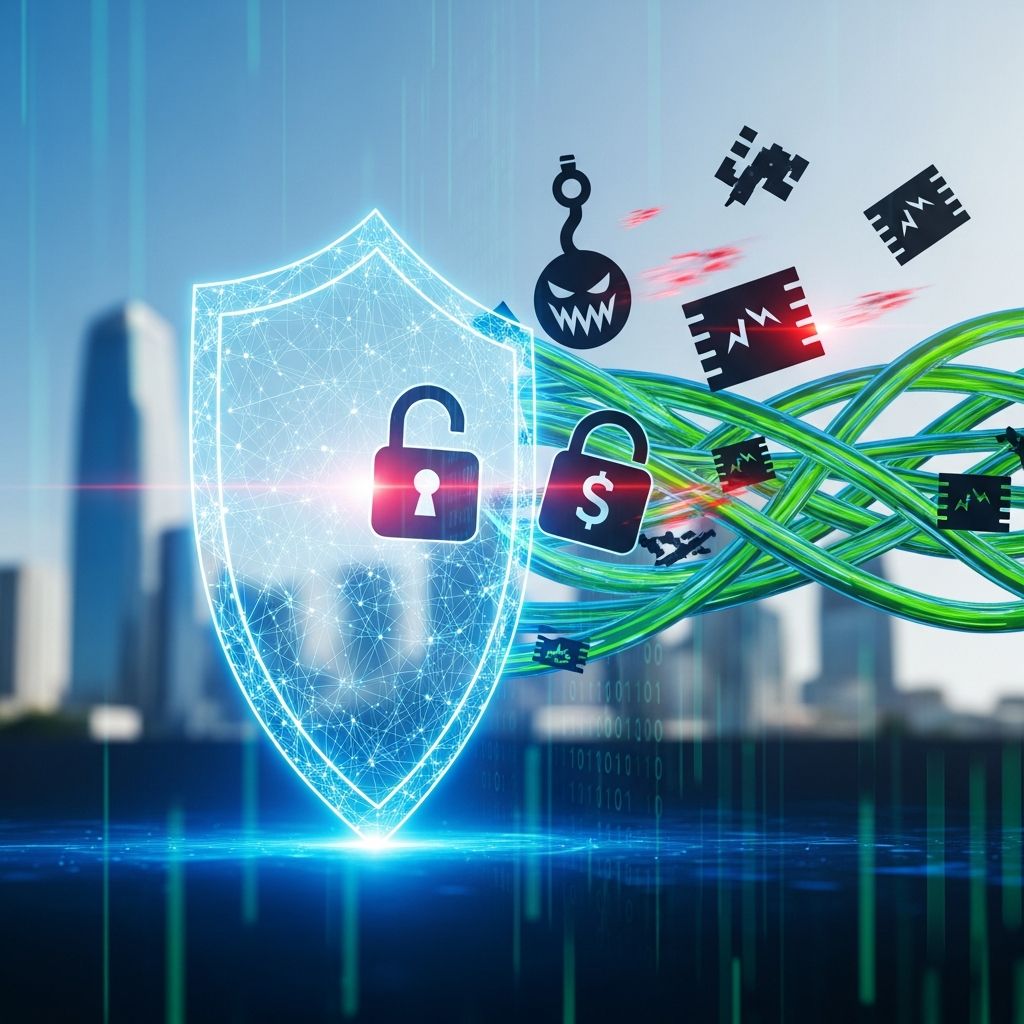
Phishing remains one of the most pervasive cyber threats, evolving rapidly with artificial intelligence to become more sophisticated and personalized. In 2026, attackers leverage AI for hyper-personalized emails, deepfake voices, and fake websites that mimic legitimate ones, making detection challenging. This guide equips individuals and organizations with actionable strategies to identify, prevent, and respond to these threats effectively.
The Rise of Advanced Phishing Tactics
Phishing attacks have transformed from crude spam to precision strikes enabled by AI. Attackers now automate the creation of thousands of customized messages in seconds, evading traditional filters by varying language and content slightly. Hyper-personalization draws from social media, public records, and data breaches to craft messages that reference personal details, job roles, or recent events, building false trust.
Deepfakes add another layer: AI clones voices of family members or executives for vishing (voice phishing), while automated tools generate convincing fraudulent sites with brand-accurate designs. Emerging techniques like ‘vibe hacking’ analyze behavioral patterns to exploit emotions, creating urgency or fear. QR code tampering and smishing (SMS phishing) also surge, directing users to malicious links via tampered codes in public spaces.
Key Indicators of Phishing Attempts
Spotting phishing requires vigilance for subtle red flags, even in AI-crafted attacks. Common signs include psychological pressure—urgency, threats of account closure, or secrecy demands—that prompt hasty actions.
- Unexpected requests: Legitimate entities rarely demand immediate sensitive information via email or text.
- Tone inconsistencies: Messages may mimic style but feel off in phrasing, formality, or warmth.
- Link and domain checks: Hover over links to reveal true destinations; mismatched domains (e.g., bank-support.com vs. bank.com) are dead giveaways.
- Deepfake clues: In calls or videos, watch for lip-sync issues, unnatural pauses, or odd eye contact.
- Payment warnings: Sites demanding single payment methods like wire transfers or gift cards signal fraud.
Shortened URLs hide malice; use expansion tools to inspect them. Always verify via official channels.
Building a Bulletproof Personal Defense
Individuals can significantly reduce risks through layered protections. Start with device security: Install reputable antivirus software like Norton or TotalAV, which use AI to detect threats proactively, and enable automatic updates.
| Protection Layer | Action Steps | Benefits |
|---|---|---|
| Device Security | Antivirus install, auto-updates on phones/computers | Blocks malware from phishing links/attachments |
| Account Security | Enable MFA everywhere, use password managers | Requires second factor even if password stolen |
| Data Backup | Regular cloud/external backups | Recovers data post-infection |
| Info Hygiene | Remove data from brokers (e.g., Incogni), limit social shares | Reduces personalization ammo |
MFA, using apps or hardware keys, is phishing-resistant and essential. Password managers generate unique, strong credentials. Activate spam filters and call blockers. For QR codes, scan only trusted sources and avoid public displays.
Organizational Strategies for Enterprise Resilience
Businesses face amplified risks from targeted attacks. Deploy AI-native email gateways that analyze language patterns, sender reputation, and anomalies. Shift from annual training to ongoing simulations and reminders, fostering a report-first culture without blame.
- Adopt zero-trust models: Verify every access request.
- Implement least-privilege access to limit breach impact.
- Simulate real-world phishing, including vishing and deepfakes.
- Streamline reporting: One-click buttons forward suspects to security teams.
Combine tech with human focus: Employees trained to pause and verify reduce click rates dramatically.
Responding Swiftly if Targeted
If you engage a phishing attempt, act immediately to minimize damage. Change passwords across accounts, scan devices with updated antivirus, and run full system checks.
- Isolate and notify: Disconnect devices, alert banks/issuers to freeze accounts.
- Monitor and alert: Place fraud alerts with credit bureaus (Experian, Equifax, TransUnion); enable transaction notifications.
- Report: Forward details to FTC at IdentityTheft.gov, APWG (reportphishing@apwg.org), and impersonated parties.
- Document: Screenshot everything for potential claims or investigations.
Identity theft protection services like Aura provide monitoring and recovery aid. Learn from incidents to refine habits.
FAQs: Common Phishing Questions Answered
What is the most effective way to stop phishing?
The best defense combines MFA, antivirus, awareness training, and verification habits. No single tool suffices against AI evolution.
Are deepfake phishing calls common in 2026?
Yes, voice-cloning AI makes vishing highly convincing. Always confirm via alternate channels.
How do I safely check suspicious links?
Hover without clicking, use link scanners, or type the official URL manually.
Can businesses eliminate phishing entirely?
No, but simulations, AI tools, and clear reporting cut incidents by focusing on people and processes.
What if I lose money to a scam?
Contact your bank immediately to dispute; report to authorities for recovery options.
Future-Proofing Against Emerging Threats
As AI advances, stay proactive: Monitor 2026 trends like automated phishing farms and multimodal attacks (text+image+behavior). Use phishing-resistant MFA like passkeys. Regularly audit privacy settings and data exposure. Education evolves defenses—treat security as ongoing, not one-off.
Phishing exploits trust, but knowledge empowers. Implement these steps to navigate 2026’s digital minefield securely.
References
- AI-Powered Phishing Detection & Prevention Strategies for 2026 — USC Cybersecurity Institute. 2026. https://www.uscsinstitute.org/cybersecurity-insights/blog/ai-powered-phishing-detection-and-prevention-strategies-for-2026
- How To Recognize and Avoid Phishing Scams — FTC Consumer Advice. 2025-01-15. https://consumer.ftc.gov/articles/how-recognize-avoid-phishing-scams
- 2026 Scam Trends: What’s Changed, What’s the Same & How to Stay Safe — CyberCX. 2026. https://cybercx.com.au/blog/2026-scam-trends-whats-changed-whats-the-same-how-to-stay-safe/
- The Ultimate Phishing Protection Guide For 2026 — Security.org. 2026. https://www.security.org/digital-safety/scams/phishing/
- Phishing in 2026: Why Basic Email Scams are Still the #1 Threat — InfoAdv. 2026. https://info-adv.com/post/phishing-in-2026
- How Fraud Is Evolving: Key Scam Trends for 2026 — F&M Bank. 2026. https://www.fmbnc.com/security-center/how-fraud-is-evolving-key-scam-trends-for-2026
Similar Articles








Read full bio of medha deb