Defaulting on a Personal Loan: Risks and Remedies
Discover the severe impacts of missing personal loan payments and proven strategies to recover your financial stability before it's too late.
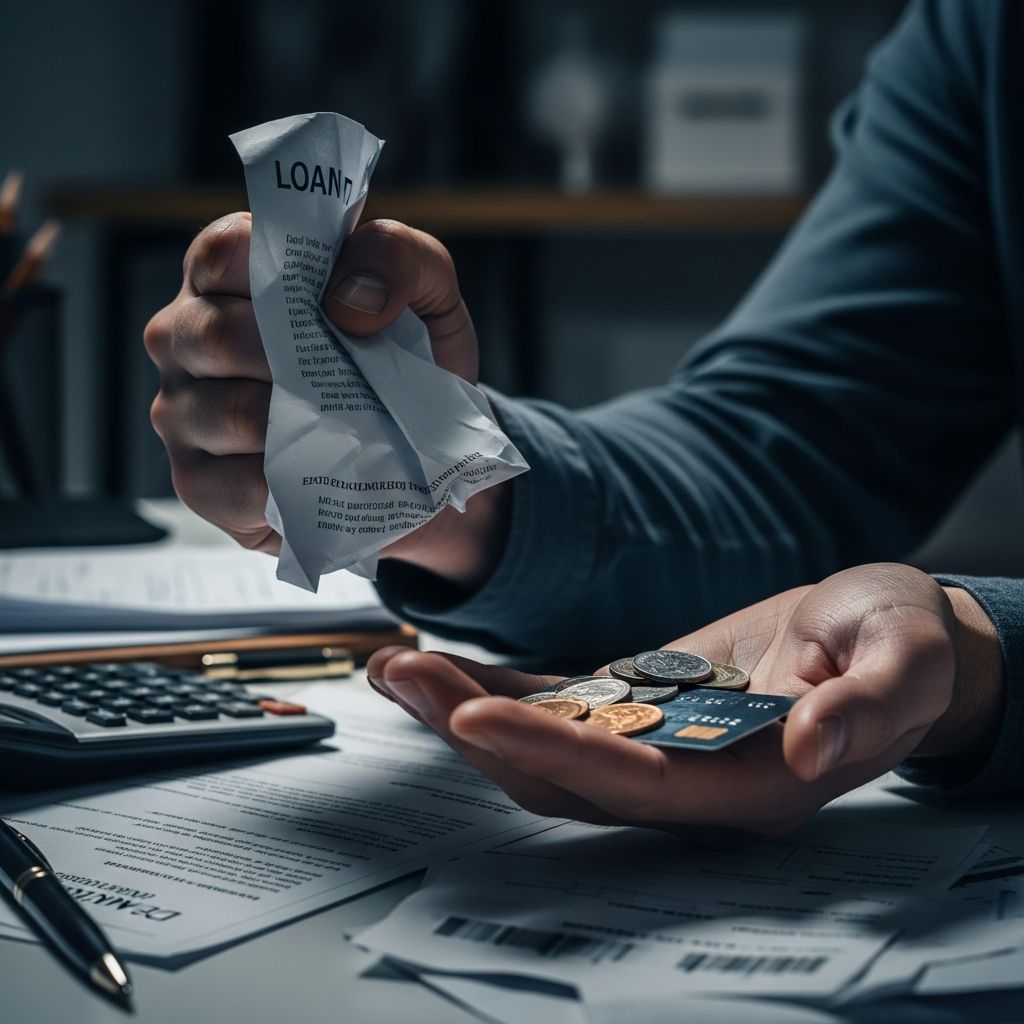
Defaulting on a personal loan occurs when you fail to meet payment obligations as outlined in your agreement, typically after 90 days of delinquency. This triggers a cascade of financial repercussions that can linger for years, affecting everything from your creditworthiness to daily living expenses.
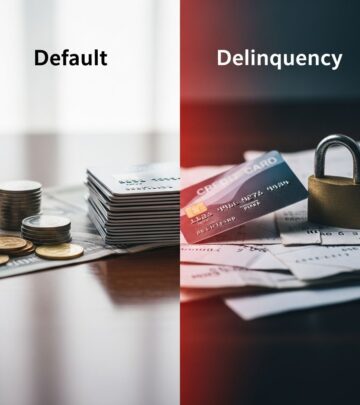
Defining Delinquency and Default in Personal Loans
Personal loans become delinquent immediately after a missed payment, but default status usually kicks in after 90 days, though terms vary by lender. At this stage, the lender may classify the account as a loss, charge it off, and pursue recovery aggressively. Unsecured personal loans, common for debt consolidation or emergencies, lack collateral, leaving lenders reliant on other enforcement methods.
Understanding timelines is crucial:
- 0-30 days late: Late fees apply (often $25-$50 or 3-5% of payment), but credit reports may not yet reflect the issue.
- 30-90 days: Delinquency reports to bureaus like Experian, Equifax, and TransUnion, starting credit score erosion.
- 90+ days: Official default; account sent to collections.
- 120-180 days: Charge-off occurs, further damaging scores and adding collections entries.
Immediate Financial Penalties and Fees
Beyond the principal and interest, defaults pile on costs. Late fees accumulate quickly, and lenders may hike interest rates or add penalty APRs. If sold to collectors, the debt balance can balloon with added fees, sometimes exceeding the original amount.
| Timeframe | Common Fees/Penalties | Impact |
|---|---|---|
| Immediate miss | $25-$50 late fee | Added to balance |
| 30 days | Credit report notation | Score drop begins |
| 90 days (default) | Penalty APR, collections fees | Debt growth |
| Charge-off | Additional agency fees | Long-term score harm |
Credit Score Devastation from Default
Payment history comprises 35% of your FICO score, making defaults devastating—drops of 100+ points are common, especially from higher starting scores. Negative marks persist seven years, limiting access to mortgages, auto loans, rentals, and utilities. Future borrowing means higher rates as lenders view you as high-risk.
For cosigners, the damage mirrors yours since they share liability. A parent’s credit could suffer if they backed your loan, straining relationships and their finances.
Collection Efforts and Harassment Tactics
Post-default, lenders activate in-house collections or sell to third-party agencies. Expect persistent calls, letters, emails, and texts demanding payment—agencies must follow Fair Debt Collection Practices Act rules, but pressure mounts. Ignoring this escalates risks.
Legal Ramifications and Court Actions
Collectors may sue for unsecured debts, seeking judgments for repayment. Winning judgments enable wage garnishment (up to 25% of disposable income in many states) or property liens. Failing to appear in court results in default judgments, worsening outcomes.
Secured loans add repossession risks, like vehicle seizure for title loans. State laws dictate limits, but consequences are severe.
Long-Term Fallout on Your Financial Life
Defaults hinder major life steps: higher insurance premiums, job denials (some employers check credit), and rental rejections. Rebuilding demands time, discipline, and strategy amid restricted credit options.
Proactive Strategies to Prevent Default
Avoidance beats recovery. Monitor payments via autopay or apps. If struggling:
- Rebudget ruthlessly: Cut non-essentials, prioritize loan payments.
- Contact lender early: Request hardship forbearance, extensions, or lower payments before 30 days.
- Refinance or consolidate: Secure better rates if credit allows, or use balance transfers.
Credit counseling from nonprofits like NFCC provides free plans.
Recovery Roadmap After Default
Post-default, act swiftly:
- Verify debt: Demand validation under FDCPA.
- Negotiate settlements: Offer lump sums for 30-50% reductions.
- Debt management plans: Counselors negotiate lower rates.
- Bankruptcy as last resort: Chapter 7/13 discharges unsecured debts but tanks scores further.
- Rebuild credit: Secured cards, on-time payments elsewhere.
Unsecured vs. Secured Loan Defaults: Key Differences
| Aspect | Unsecured Loan | Secured Loan |
|---|---|---|
| Collateral | None | Asset (e.g., car, savings) |
| Default Action | Collections, lawsuit, garnishment | Repossession first |
| Credit Impact | Same severity | Plus asset loss |
| Recovery | Negotiation primary | Redeem or replace asset |
Real-World Scenarios and Lessons
Consider a borrower missing payments due to job loss: Early lender contact yields temporary relief, averting default. Contrast with ignored notices leading to garnishment. Cosigner defaults ripple to families, emphasizing shared risks.
Statistics underscore urgency: Defaults spike economic stress periods, with scores recovering slowly—median drop 110 points.
Common Myths About Loan Defaults
- Myth: Defaults vanish quickly. Fact: Seven-year credit report stain.
- Myth: Collectors can’t contact you. Fact: Regulated but persistent.
- Myth: Bankruptcy erases all. Fact: Stays 10 years, not ideal first.
Essential Steps for Financial Resilience
Build emergency funds covering 3-6 months expenses. Diversify income. Use tools like credit monitoring for early alerts. Education via CFPB resources empowers better choices.
Frequently Asked Questions (FAQs)
How long does a personal loan default stay on my credit report?
Up to seven years from the original delinquency date, gradually losing impact.
Can I still get loans after defaulting?
Possible but at higher rates or smaller amounts; subprime lenders may approve.
What if my cosigner is affected?
They face identical credit hits and collection; communicate to share solutions.
Does defaulting lead to jail time?
No, debt is civil, not criminal.
How to negotiate with collectors?
Get everything written; propose settlements; know your rights.
References
- What Happens If You Default On A Personal Loan? — Bankrate. 2023-10-15. https://www.bankrate.com/loans/personal-loans/what-is-a-personal-loan-default/
- What Happens If You Default on a Personal Loan? — SoFi. 2024-05-20. https://www.sofi.com/learn/content/what-happens-when-dont-pay-personal-loan/
- What Happens If I Default on a Personal Loan? — NerdWallet. 2024-02-12. https://www.nerdwallet.com/personal-loans/learn/default-personal-loan
- What Happens if I Default On a Loan? — Upstart Learn. 2023-11-08. https://www.upstart.com/learn/loan-default/
- What Happens if I Default on a Loan? — Experian. 2024-01-30. https://www.experian.com/blogs/ask-experian/what-does-it-mean-to-default-on-a-loan/
- What Is Personal Loan Default? — Citi. 2023-09-18. https://www.citi.com/personal-loans/learning-center/basics/default-on-a-personal-loan
- How Defaulting on a Loan Affects Your Credit — LendingTree. 2024-03-05. https://www.lendingtree.com/credit-repair/how-defaulting-on-a-loan-affects-your-credit/
Similar Articles








Read full bio of medha deb