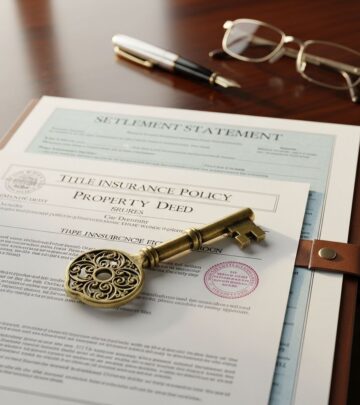
Deed vs. Title: Real Estate Ownership Basics
Unlock the key differences between deeds and titles to confidently navigate property transactions and secure your ownership rights.

In the world of real estate, understanding the distinction between a deed and a title is crucial for any buyer, seller, or investor. These terms are often used interchangeably by newcomers, but they represent entirely different aspects of property ownership. A deed serves as the tangible instrument that facilitates the transfer of ownership, while title embodies the legal concept of rights associated with the property.
Understanding Property Title: The Core of Ownership Rights
Title refers to the legal right to own, use, and dispose of a property. It is not a physical document but rather a bundle of rights that proves your claim to the land or building. Holding title means you have clear authority over the property, free from competing claims, liens, or encumbrances, unless specified otherwise.
The concept of title grants several key rights to the owner:
- Right of Possession: You can occupy the property exclusively, barring any legal restrictions like leases or easements.
- Right of Control: Decide how to utilize the space, from renovations to business operations, within zoning laws.
- Right of Exclusion: Prevent unauthorized entry, enforcing privacy and security.
- Right of Enjoyment: Use the property for personal pleasure or income generation without interference.
- Right of Disposition: Sell, gift, or bequeath the property to heirs or buyers.
During a real estate purchase, verifying the seller’s title is paramount. A flawed title could mean unresolved disputes from prior owners, unpaid taxes, or undisclosed mortgages, potentially clouding your ownership.
The Deed: Your Proof of Ownership Transfer
A deed is the physical, signed legal document that officially transfers title from seller (grantor) to buyer (grantee). It must include a precise property description, be notarized, and recorded in public county records to be valid. Without proper recording, the transfer might not hold up legally.
Deeds ensure transparency in ownership changes, providing a public record that protects future transactions. They detail the grantor’s intent to relinquish rights and the grantee’s acceptance.
Key Distinctions: Deed Compared to Title
To clarify the differences, consider this comparison table:
| Aspect | Deed | Title |
|---|---|---|
| Nature | Physical document | Legal concept/bunch of rights |
| Purpose | Transfers ownership | Establishes ownership rights |
| Physical Form | Tangible, signed, recorded | Intangible, proven by documents |
| Role in Sale | Finalizes transfer at closing | Verified via title search pre-closing |
| Impact of Issues | Invalid if not recorded | Clouded by liens or claims |
This table highlights how deeds execute the handover, while titles represent the ongoing status of ownership.
Common Types of Deeds and Their Implications
Not all deeds offer the same level of protection. Buyers should understand these variants:
- Warranty Deed: Provides the highest assurance, guaranteeing a clear title free of defects known or unknown to the seller. Ideal for standard purchases.
- Quitclaim Deed: Transfers only the seller’s interest without warranties. Common in family transfers or divorces, but risky for buyers due to no title guarantees.
- Special Warranty Deed: Warrants only against issues arising during the seller’s ownership period, not prior ones. Often used in commercial deals.
- Bargain and Sale Deed: Implies ownership but offers limited warranties. Prevalent in foreclosures.
Choosing the right deed type depends on the transaction’s context and desired protection level.
The Homebuying Process: Where Title and Deed Intersect
Property transactions integrate title verification and deed execution seamlessly. Here’s the typical sequence:
- Offer Acceptance: Buyer and seller agree on terms.
- Title Search: A title company examines public records for liens, easements, or disputes spanning decades.
- Title Commitment: Issued report outlines the chain of ownership and required fixes.
- Deed Preparation: Seller’s attorney or title firm drafts the deed.
- Closing: Signatures on deed, mortgage; deed is recorded post-closing.
- Title Insurance: Buyer purchases policy protecting against future title defects.
This process safeguards all parties, ensuring the buyer receives unencumbered title via a properly executed deed.
Why Title Insurance is Essential for Protection
Even rigorous searches can’t uncover every hidden issue, like forged documents or clerical errors. Title insurance covers legal costs if a claim arises post-purchase. Lender’s policies protect the mortgage; owner’s policies shield the buyer long-term.
Statistics show thousands of title issues annually, underscoring insurance’s value. Costs are typically a one-time fee based on property value.
Clouded Title: Common Problems and Resolutions
A clouded title hampers sales. Frequent issues include:
- Unreleased liens or mortgages.
- Fraudulent transfers.
- Boundary disputes or easements.
- Unknown heirs claiming interest.
- Code violations or unpaid taxes.
Resolutions involve quiet title actions, lien payoffs, or affidavits. Title companies often mediate.
Joint Ownership: How Title is Held
Multiple owners can hold title via:
- Tenancy in Common: Independent shares, survivorship not automatic.
- Joint Tenancy: Equal shares with right of survivorship.
- Tenancy by the Entirety: For spouses, with survivorship and creditor protection.
Deeds specify these forms, impacting inheritance and sales.
Recording Deeds: Making Transfers Official
Post-closing, deeds go to the county recorder’s office, entering public records. This provides constructive notice to the world, preventing duplicate claims. Digital recording is increasingly common for efficiency.
Frequently Asked Questions (FAQs)
What happens if a deed isn’t recorded?
The transfer may not be legally recognized, leaving the buyer vulnerable to prior claims. Always record promptly.
Can you have a deed without clear title?
Yes, via quitclaim, but it’s risky without title insurance.
Who holds the original deed after closing?
The buyer keeps it as proof, but the recorded copy is official.
Does title insurance cover property damage?
No, it protects only against ownership disputes, not physical damage.
How long does a title search take?
Typically 1-2 weeks, depending on property history complexity.
Maintaining Clear Title Over Time
Post-purchase, monitor tax payments, satisfy mortgages, and address disputes promptly to preserve title integrity. Periodic title updates can reveal issues early.
Mastering deed and title concepts empowers informed decisions, minimizing risks in real estate endeavors. Whether buying your first home or investing, these fundamentals underpin secure ownership.
References
- Deed vs Title — What’s the Difference in Real Estate? — AHRN. 2023. https://blog.ahrn.com/deed-vs-title/
- Deed vs. Title: Key Differences — Freedom Mortgage. 2024. https://www.freedommortgage.com/learning-center/articles/deed-vs-title
- What’s The Difference Between A Title & A Deed — Provost Law Firm. 2023. https://www.provostlawfirm.com/difference-between-title-and-deed/
- Title and deed are not the same in real estate transactions — Dungan Attorney. 2021-09-01. https://www.dunganattorney.com/blog/2021/09/title-and-deed-are-not-the-same-in-real-estate-transactions/
- What’s the difference between deed vs. title? — Rocket Mortgage. 2024. https://www.rocketmortgage.com/learn/deed-vs-title
- Deed vs. Title: How Are They Different? — Chase Bank. 2024. https://www.chase.com/personal/mortgage/education/buying-a-home/deed-vs-title
Similar Articles








Read full bio of medha deb