Fair Credit Score: 5 Practical Steps To Reach Good Credit
Discover what defines a fair credit score, its real-world effects on borrowing, and proven strategies to elevate your financial profile for better opportunities.
A fair credit score positions you in a pivotal middle ground on the 300-850 credit spectrum, typically spanning 580-669 for FICO models or 601-660 for VantageScore, enabling access to credit but often at elevated costs compared to higher tiers.
Defining the Boundaries of Fair Credit
Credit scores serve as numerical summaries of your creditworthiness, distilled from payment records, debt levels, and account longevity. Lenders rely on these metrics to gauge repayment likelihood, with fair scores signaling moderate risk.
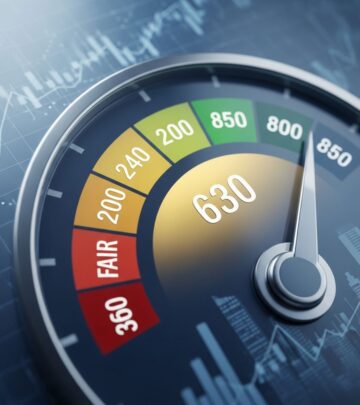
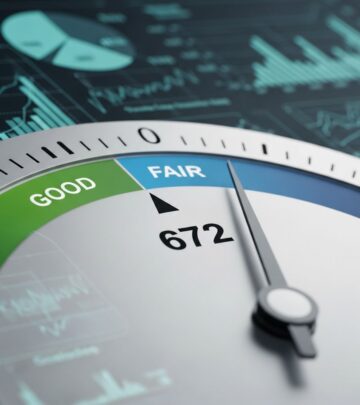
The FICO system, dominant in lending decisions, labels scores from 580 to 669 as fair, placing them above poor (below 580) but below good (670-739). VantageScore, an alternative model used by some institutions, narrows fair to 601-660, reflecting nuanced algorithm differences. These ranges underscore that fair credit isn’t dismal but demands vigilance to unlock superior terms.
| Score Range | FICO Category | VantageScore Category | Lender Perception |
|---|---|---|---|
| 800-850 | Exceptional | Excellent | Prime rates, top approvals |
| 740-799 | Very Good | Excellent | Favorable terms |
| 670-739 | Good | Good | Standard approvals |
| 580-669 / 601-660 | Fair | Fair | Higher rates, limited options |
| Below 580 / 300-600 | Poor | Poor | High denial risk |
This table illustrates category alignments, highlighting how fair scores cluster in the subprime zone, where lenders impose premiums to offset perceived risks. National averages hover around 714 for FICO, meaning fair scores trail the norm significantly.
Why Fair Scores Carry a ‘Subprime’ Tag
Fair credit aligns with subprime classifications, not implying financial ruin but elevated default probability in lender models. Borrowers here might secure apartments or auto loans, yet face steeper interest—potentially 5-10% higher than good-credit peers.
Common culprits include sporadic late payments, high balances relative to limits (utilization over 30%), or brief credit histories. Limited accounts can also hinder, as they restrict positive data points. Unlike poor scores tied to delinquencies, fair ones often stem from manageable habits needing refinement.
Real-World Ramifications for Everyday Finances
A fair score shapes borrowing landscapes profoundly. Credit card approvals occur, but rewards diminish, and annual fees rise. Mortgage seekers encounter higher APRs, inflating lifetime costs by thousands.
- Auto Loans: Expect rates around 8-12% versus 4-6% for good scores, adding hundreds monthly.
- Rentals: Landlords check scores; fair may require cosigners or deposits.
- Utilities/Insurance: Deposits or premiums often mandated.
- Job Prospects: Some employers review credit for financial roles.
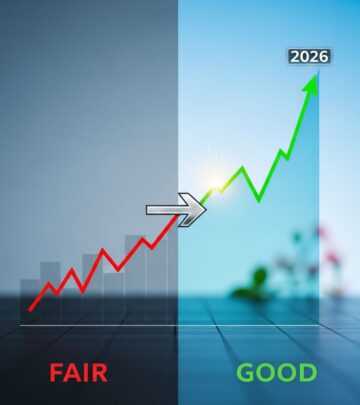
Conversely, fair credit builds a foundation—proving reliability can propel you upward swiftly with discipline.
Juxtaposing Fair and Good Credit: A Critical Gap
Crossing into good credit (FICO 670+, VantageScore 661+) transforms options. Good-score holders snag lower rates, premium cards, and fewer denials. For instance, a $20,000 auto loan at 7% (fair) versus 4.5% (good) saves over $1,000 in interest over 48 months.
Key differentiators:
- Consistent on-time payments (35% of FICO weight).
- Utilization below 30% (30% weight).
- Diverse, aged accounts boosting mix and history (15% each).
This threshold shift underscores proactive management.
Pathways to Elevate from Fair to Good
Improvement demands targeted actions, yielding results in months. Prioritize high-impact factors.
- Automate Payments: Eliminate lates, the top detractor. Set alerts and autopay.
- Slash Utilization: Pay down balances; request limit increases sans inquiries. Aim under 10% ideally.
- Retain Old Accounts: Avoid closing ancients; they anchor history.
- Add Positive Data: Secured cards or credit-builder loans for thin files.
- Dispute Errors: Review reports weekly via AnnualCreditReport.com.
Track via free weekly pulls from bureaus. Patience pays: 100-point jumps occur within a year.
Tools and Products Tailored for Fair Credit
Specific offerings bridge gaps:
- Secured Cards: Deposit-backed, report positively; graduate to unsecured.
- Credit-Builder Loans: Funds held until repaid, bolstering history.
- Authorized User Status: Piggyback on trusted accounts cautiously.
Avoid subprime traps like payday loans; opt for mainstream with fair-credit filters.
Frequently Asked Questions
What exactly constitutes a fair credit score across models?
FICO pegs it at 580-669; VantageScore at 601-660. Lenders choose models, so check specifics.
Can I get a mortgage with fair credit?
Yes, via FHA loans, but anticipate 15%+ down and rates 1-2% above prime.
How long to boost from fair to good?
3-12 months with consistent habits; faster sans negatives.
Does checking my score hurt it?
Soft pulls don’t; hard inquiries ding temporarily (under 5% impact).
Is fair credit average?
No—averages exceed 700; fair lags, affecting 20-25% of consumers.
Long-Term Strategies for Credit Excellence
Beyond basics, cultivate habits like annual report audits, minimal new credit, and debt snowballing. Monitor via apps from bureaus. Good credit cascades: cheaper insurance, employment edges, wealth accumulation.
Fair credit signals potential, not permanence. Armed with knowledge, transform it into a launchpad for financial freedom.
References
- What Is a Fair Credit Score? — Experian. 2022. https://www.experian.com/blogs/ask-experian/what-is-a-fair-credit-score/
- What Is Considered A Fair Credit Score? — Bankrate. 2023. https://www.bankrate.com/personal-finance/credit/what-is-fair-credit-score/
- What Is a Fair Credit Score? — Capital One. 2025-04-15. https://www.capitalone.com/learn-grow/money-management/what-is-a-fair-credit-score/
- What Is a Fair Credit Score? — Credit Karma. 2024. https://www.creditkarma.com/credit/i/what-is-a-fair-credit-score
- What Is a Fair Credit Score? — Citi. 2024. https://www.citi.com/credit-cards/understanding-credit-cards/what-is-a-fair-credit-score
- Understanding Your Credit Score Range — Harvard FCU. 2023. https://blog.harvardfcu.org/understanding-your-credit-score-range
- What are the Different Ranges of Credit Scores? — Equifax. 2024. https://www.equifax.com/personal/education/credit/score/articles/-/learn/credit-score-ranges/
Similar Articles








Read full bio of Sneha Tete