Eco Mode In Cars: 5-Step Guide To Maximize Fuel Savings
Unlock the secrets of your car's eco mode: boost fuel savings, cut emissions, and drive smarter with this essential guide to efficient motoring.
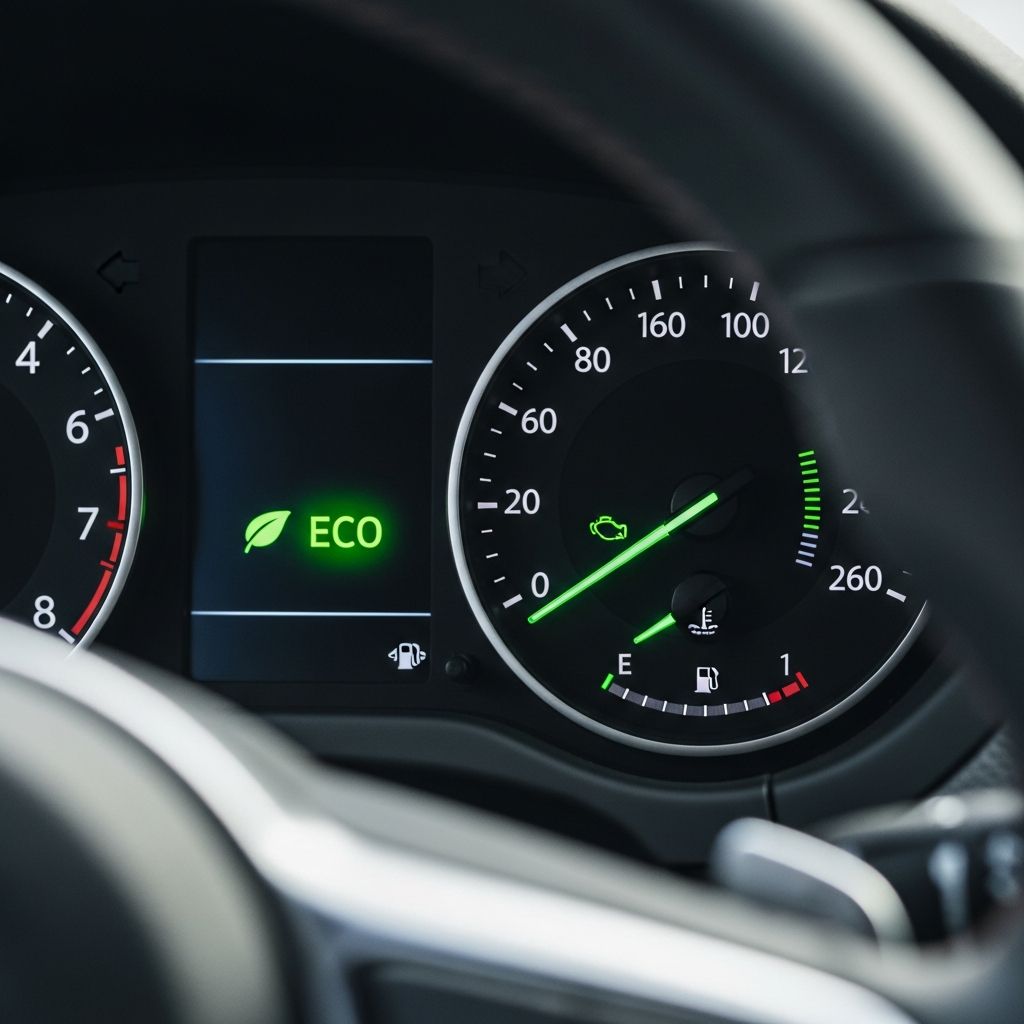
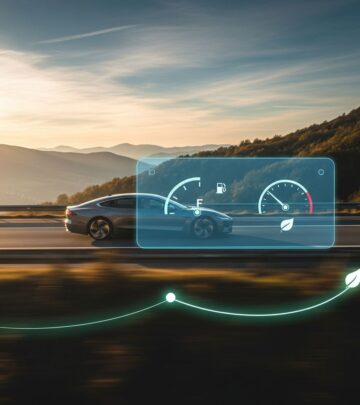
Eco mode is a driver-selectable setting in many contemporary vehicles that prioritizes fuel conservation by modifying engine, transmission, and accessory operations for optimal efficiency.
The Fundamentals of Eco Mode Technology
At its core, eco mode recalibrates your car’s electronic control unit (ECU) to favor economical operation over raw power. This involves softening throttle sensitivity, so pressing the accelerator delivers power more gradually, preventing wasteful spikes in fuel use. Transmission systems in automatic vehicles shift gears earlier and hold them longer at lower RPMs to maintain efficiency. Auxiliary systems like air conditioning also receive tempered output to lessen engine load.
- Throttle Adjustment: Response is dulled for smoother acceleration, mimicking conservative driving.
- Gear Shifting Optimization: Earlier upshifts reduce engine revs, conserving fuel.
- Climate Control Tweaks: Reduced compressor activity lowers energy draw from the engine.
These changes collectively promote a relaxed driving profile ideal for urban environments.
Key Advantages for Drivers and the Planet
Activating eco mode yields tangible gains in fuel economy, often by 5-10% in real-world tests, particularly during stop-and-go traffic or speeds below 45 mph. This translates to fewer trips to the gas station and lower annual fuel expenses. Environmentally, diminished fuel burn means reduced carbon dioxide and other pollutant outputs, contributing to cleaner air.
| Benefit | Description | Potential Impact |
|---|---|---|
| Fuel Savings | Promotes efficient throttle and shifting | 5-10% better MPG in city driving |
| Lower Emissions | Less fuel consumed equals fewer pollutants | Reduced CO2 footprint |
| Engine Longevity | Gentler operation minimizes wear | Extended component life |
| Cost Efficiency | Fewer refuels and maintenance needs | Annual savings on gas and repairs |
Beyond savings, eco mode fosters safer habits by discouraging abrupt maneuvers, potentially leading to smoother rides and less brake wear.
How Eco Mode Differs Across Vehicle Brands
While the principle remains consistent, implementation varies by manufacturer. Toyota’s version emphasizes throttle smoothing and shift point alterations, with dashboard feedback in select models to track efficiency. Ford integrates real-time coaching, monitoring acceleration, braking, and cruising to suggest improvements. General applications across brands dim interior lights and cap A/C power for holistic energy management.
- Toyota: Focuses on gradual power delivery and transmission efficiency for sustained MPG gains.
- Ford: Provides customizable feedback and eco-coach tips for habit refinement.
- Universal Traits: All limit aggressive acceleration to prioritize economy.
Hybrid and electric vehicles often amplify these effects through regenerative braking enhancements or battery optimization.
Real-World Fuel Savings: Data and Expectations
Independent assessments confirm eco mode’s value in appropriate scenarios. Consumer Reports noted notable town-driving improvements when paired with steady habits. Savings hinge on conditions: urban commutes benefit most, while steady highway speeds show minimal change. Aggressive driving negates gains, as heavy pedal inputs override settings.
Expect 5-10% efficiency uplift in mixed city use, scaling with adherence to gentle inputs. Over 10,000 miles, this could save dozens of gallons, equating to $50-150 annually at average fuel prices.
Potential Drawbacks and When to Avoid It
Eco mode trades performance for parsimony, resulting in sluggish response during merges or overtakes. It’s suboptimal for towing, hilly terrain, or hurry-required situations where power trumps thrift. Prolonged use in cold weather may strain batteries due to subdued alternator output.
- Sluggish Acceleration: Not ideal for quick maneuvers.
- Highway Limitations: Negligible benefits at constant speeds.
- A/C Compromise: Weaker cooling in hot climates.
Switch to normal or sport modes when safety demands immediacy.
Step-by-Step Guide to Activating and Maximizing Eco Mode
Access varies: look for an “ECO” button near the shifter or in drive-mode selectors. On touchscreens, navigate settings menus under efficiency or performance tabs.
- Start the engine and ensure safe conditions.
- Locate the eco button; an indicator light confirms activation.
- Drive steadily: anticipate stops, coast when possible.
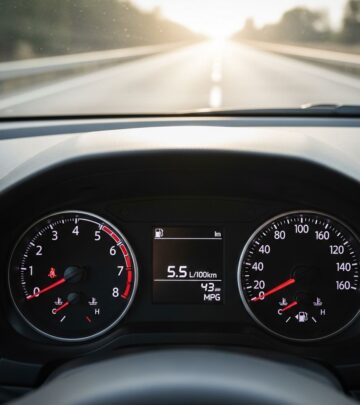
- Monitor dashboard metrics for feedback where available.
- Deactivate for power needs via the same button.
Combine with habits like optimal tire pressure and light loads for compounded results.
Integrating Eco Mode into Daily Routines
For commuters, enable it during rush hours to offset idling waste. Families benefit on school runs with frequent halts. Long-haul drivers might toggle based on segments. Track via apps or odometers to quantify personal savings, refining techniques over time.
Eco mode educates on efficiency, ingraining habits that persist post-deactivation.
Frequently Asked Questions (FAQs)
Is eco mode safe for all driving conditions?
It’s safe for routine use but disable for highways, towing, or emergencies requiring swift response.
Does eco mode work on older cars?
Primarily found in post-2010 models with electronic throttles; check your manual.
Can eco mode damage my engine?
No, it reduces strain through lower RPMs and gentler operation.
How much money does eco mode save?
Potentially $100+ yearly in city driving, varying by habits and fuel costs.
Is eco mode the same as EV modes?
Similar principles, but EVs emphasize regen braking and battery preservation.
Advanced Tips for Eco-Conscious Driving
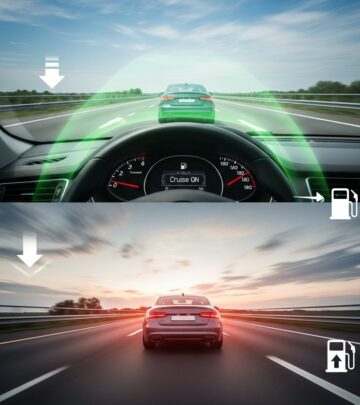
Pair mode with maintenance: clean air filters boost airflow efficiency. Use cruise control on flats. Avoid idling by shutting off at long stops. These amplify eco mode’s impact, targeting 15-20% total savings.
For fleets or high-mileage users, eco mode integrates into telematics for aggregated data, aiding corporate sustainability goals.
The Future of Efficiency Modes in Vehicles
Emerging tech like AI-driven adaptive eco systems will auto-toggle based on traffic, weather, and style. Autonomous cars may default to hyper-efficient profiles. As electrification rises, these modes evolve to manage grid demands and range anxiety.
Embracing eco mode today positions drivers for tomorrow’s green mobility standards.
References
- What is eco mode on a car? — SelectQuote. 2023. https://www.selectquote.com/auto-and-home-insurance/articles/what-is-eco-mode-car
- What Is Eco Mode, and Should You Use It? — Progressive Insurance. 2024. https://www.progressive.com/answers/what-is-eco-drive-mode/
- How Does Toyota Eco Mode Work? — Toyota of Downtown LA. 2023. https://www.355toyota.com/blogs/3663/how-does-toyota-eco-mode-work/
- Eco Mode for Ford Vehicles: Benefits, Tips, and Features — Willis Ford. 2024. https://www.willisford.com/ecomode-maximizing-efficiency-ford.htm
- What Does ECO Mode Actually Do? — Engineering Explained (YouTube). 2022-10-15. https://www.youtube.com/watch?v=TuTGrfy0mmY
Similar Articles








Read full bio of Sneha Tete