Decoding Credit Scores: The Calculation Guide
Unlock the secrets behind your credit score with this detailed breakdown of key factors and strategies to boost your financial profile effectively.

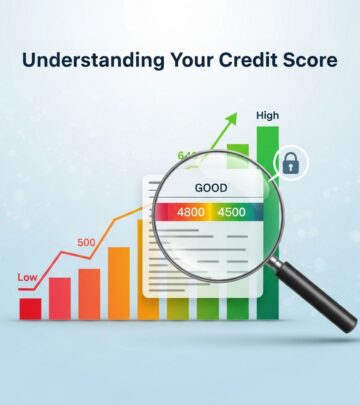
Your credit score serves as a numerical summary of your financial reliability, influencing everything from loan approvals to interest rates. Ranging typically from 300 to 850, higher scores signal lower risk to lenders, unlocking better terms.
Core Components Driving Your Score
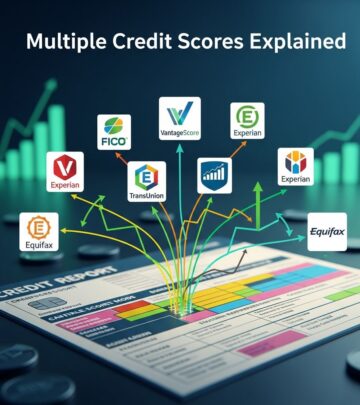
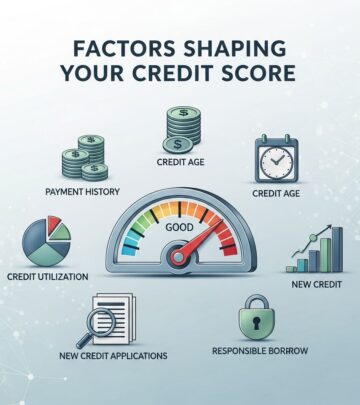
Credit scoring systems, primarily FICO and VantageScore, evaluate data from your credit reports provided by bureaus like Experian, Equifax, and TransUnion. These models weigh five primary elements differently based on your profile, but consistently prioritize responsible habits.
- Payment Reliability (35% in FICO): This dominant category tracks if bills are paid promptly. On-time payments build trust, while delays over 30 days can linger for years.
- Debt Burden (30%): Focuses on total owed versus available credit, especially utilization ratios under 30% on revolving accounts.
- Account Age (15%): Longer histories demonstrate sustained management, favoring established users.
- Credit Variety (10%): A balanced portfolio of cards, loans, and mortgages shows versatility.
- Recent Activity (10%): Multiple new inquiries or accounts signal potential risk.
Deep Dive: Payment Reliability as the Foundation
Payment history reigns supreme because it directly predicts future behavior. Models scrutinize timelines: payments 30, 60, or 90+ days late, plus severe events like bankruptcies or collections. A single lapse can drop scores by 100+ points, persisting up to seven years, though impact fades over time.
To excel here, automate payments for minimums and set reminders for full balances. If facing hardship, negotiate with creditors before missing due dates—many offer temporary relief without reporting negatives.
| Payment Status | Typical Score Impact | Duration on Report |
|---|---|---|
| On-Time | + Positive boost | Indefinite (positive) |
| 30 Days Late | -60 to -110 points | Up to 7 years |
| Bankruptcy | -150 to -250 points | 7-10 years |
Mastering Debt Levels and Utilization Ratios
Amounts owed reflect current financial strain. Key metric: credit utilization, calculated as (total balances ÷ total limits) × 100. Ideal under 30%, optimal below 10% for top scores. High ratios, even if paid off monthly, hurt if reported near cycle ends.
Example: $2,000 balance on $10,000 limit = 20% utilization. Pay down aggressively or request limit increases (without hard inquiries) to dilute ratios. Avoid closing old cards, as this shrinks available credit.
- Track via free weekly reports from AnnualCreditReport.com.
- Pay twice monthly to lower reported balances.
- Debt snowball: Prioritize smallest balances for momentum.
The Value of a Mature Credit Profile
Length of credit history measures experience. Average age of accounts and oldest account age matter most. New users face hurdles; seasoned profiles (10+ years) inherently score higher.
Preserve longevity by retaining oldest accounts active with small, regular use. Becoming an authorized user on a family member’s long-standing card can import positive history, if the primary user maintains excellence.
Building Strength Through Credit Diversity
Lenders appreciate borrowers handling varied obligations: revolving (cards) and installment (loans). No need for everything—2-3 types suffice. Over-diversification risks mismanagement.
Strategic additions: Secured cards for starters, then personal loans. Mortgages or autos naturally diversify established users. Balance prevents overextension.
Navigating New Credit and Inquiries
Recent applications trigger hard inquiries, each dinging scores 5-10 points for 12 months, visible two years. Multiple in short spans (e.g., car shopping) compound effects via velocity checks.
Soft inquiries (pre-approvals, your reviews) don’t count. Rate-shop within 14-45 day windows (model-dependent) to minimize hits. Space new accounts; limit to 1-2 yearly.
Variations Across Scoring Models
FICO, used by 90% of lenders, weights payment 35%, amounts 30%. VantageScore tweaks for thinner files, emphasizing trended data like payment consistency over 24 months.
Scores differ by bureau due to varying lender reports. Monitor all three via services like Credit Karma (VantageScore) or official FICO tools.
| Model | Range | Key Differences |
|---|---|---|
| FICO | 300-850 | Heavy on payment/utilization; industry-specific versions |
| VantageScore | 300-850 | Handles thin files better; peers total accounts |
Practical Strategies to Elevate Your Score
Improvement takes 3-6 months typically, faster post-negatives resolution. Core actions:
- Ensure 100% on-time payments.
- Target <10% utilization.
- Dispute errors via bureau portals.
- Use Experian Boost for utilities/rent inclusion.
- Avoid new debt during rebuilds.
For thin files: Secured cards, credit-builder loans. Track progress monthly; aim 740+ for prime rates.
Frequently Asked Questions
What is a good credit score?
670-739 fair; 740-799 very good; 800+ exceptional. Varies by lender.
How often do scores update?
With credit report changes; bureaus daily, scores periodically.
Do paid collections affect scores?
Yes, until removed (7 years); newer models weigh less if settled.
Can I remove accurate late payments?
Goodwill letters sometimes work; otherwise, no.
Does checking my score hurt it?
No—soft inquiries only.
Long-Term Habits for Sustained Excellence
Treat credit as a marathon: Budget via 50/30/20 rule, build emergency funds covering 3-6 months expenses. Review reports annually, dispute inaccuracies promptly. Educate family early—kids’ secured cards plant seeds.
In 2026 economy, with rising rates, elite scores (760+) secure sub-4% mortgages, premium cards sans fees. Proactive management yields compounding benefits: lower insurance, rentals sans deposits.
References
- How Is Your Credit Score Determined? — Experian. 2024-01-15. https://www.experian.com/blogs/ask-experian/how-is-your-credit-score-determined/
- How Are Credit Scores Calculated? — Equifax. 2024-05-20. https://www.equifax.com/personal/education/credit/score/articles/-/learn/how-is-credit-score-calculated/
- How Is My Credit Score Calculated? — Navy Federal Credit Union. 2023-11-10. https://www.navyfederal.org/makingcents/credit-debt/understanding-credit-scores.html
- How is Credit Score Calculated? — Bank of America Better Money Habits. 2024-02-28. https://bettermoneyhabits.bankofamerica.com/en/credit/how-credit-score-is-calculated
- Factors That Influence Your Credit Score — Nebraska Bank. 2023-09-05. https://www.ne.bank/factors-that-influence-your-credit-score
Similar Articles








Read full bio of medha deb