Car Window Stickers: Essential Guide For Smarter Car Purchases
Master the details on vehicle window stickers to make smarter buying choices and avoid costly surprises at the dealership.
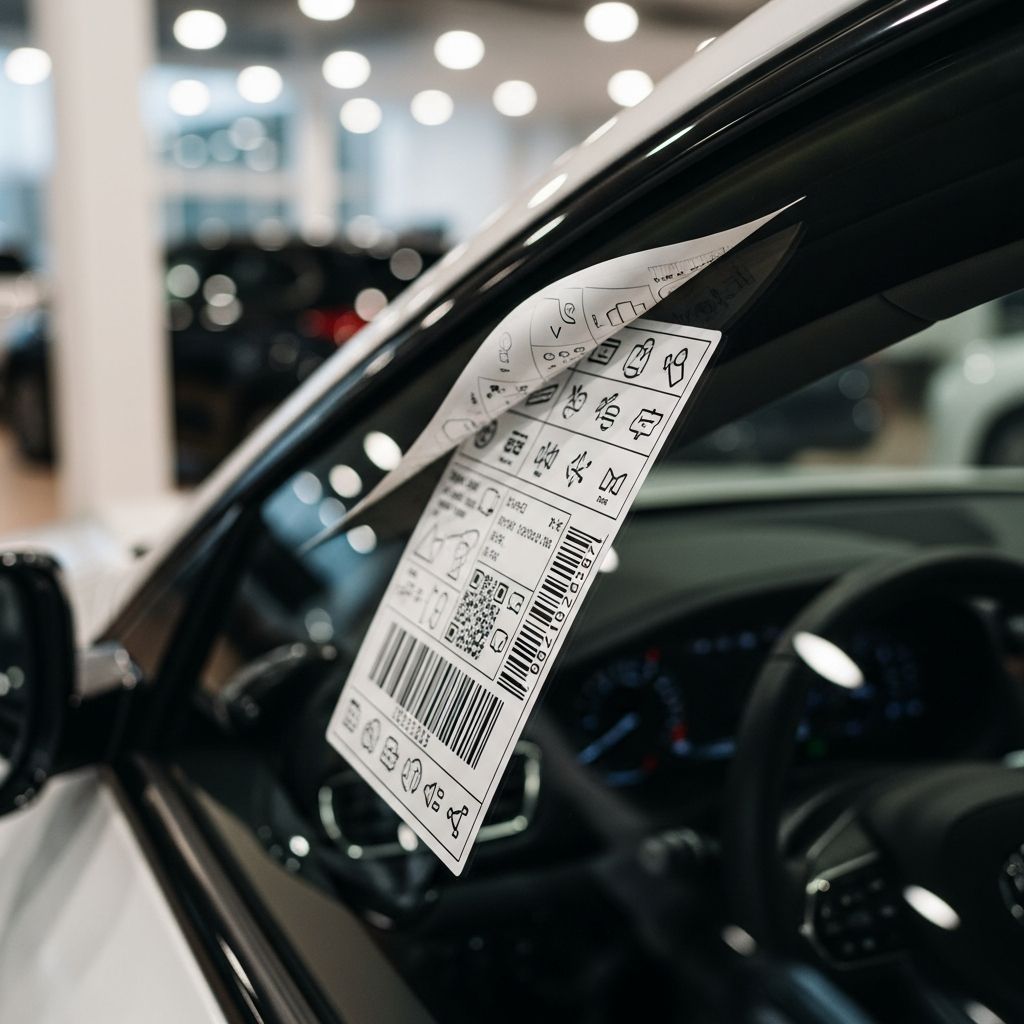
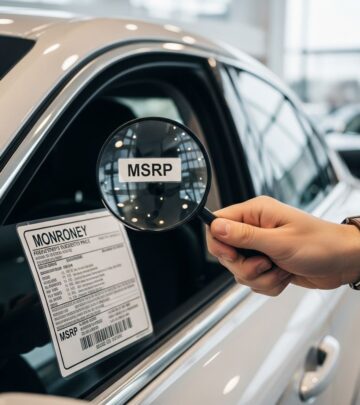
Car window stickers, also known as Monroney labels, provide a wealth of information that can make or break your buying decision. Mandated by U.S. law since 1958, these labels offer transparency on pricing, features, safety, and efficiency, helping buyers compare vehicles accurately.
The Origins and Legal Requirement of Window Stickers
The Automobile Information Disclosure Act of 1958 introduced these stickers to protect consumers from misleading sales practices. Named after Senator Mike Monroney, they must appear on every new car’s window, listing critical details without dealer alterations. For used cars, replicas can be generated using the VIN, revealing original specs.
Today, these labels evolve with QR codes for digital access, allowing instant customization of data like fuel costs based on local gas prices. Understanding their structure equips you to negotiate better and verify what’s included.
Breaking Down the Core Components of a Window Sticker
Window stickers are densely packed but logically organized. Typically divided into pricing, vehicle details, features, performance, and compliance sections, they ensure all key facts are upfront.
- Vehicle Identification Details: Includes make, model, trim, VIN, and manufacturing info like assembly location and U.S./Canadian parts content.
- Pricing Breakdown: Starts with MSRP, adds options, freight charges, but excludes taxes and fees.
- Equipment Lists: Separates standard from optional items, with costs for add-ons.
This layout prevents confusion, letting you spot if a deal aligns with listed values.
Mastering the Pricing Section: MSRP and Beyond
The Manufacturer’s Suggested Retail Price (MSRP) is the headline figure, representing the base price plus options and destination fees. It’s not the final out-the-door cost—dealers often negotiate below it—but it’s crucial for comparisons.
Destination charges cover shipping (typically $1,000-$2,000), while options like premium audio or sunroofs list individual prices. Total MSRP gives the fully loaded suggested price before incentives.
| Price Element | Description | Example Impact |
|---|---|---|
| Base MSRP | Standard model price | $30,000 |
| Options | Add-ons like navigation | +$2,500 |
| Destination | Shipping fee | +$1,200 |
| Total MSRP | Sum of above | $33,700 |
Use this to benchmark against competitor models and invoice prices (dealer cost).
Features and Equipment: Standard vs. Optional
The equipment section is a bulleted catalog of what’s included. Standard features cover essentials like engine type, transmission, brakes, and basic safety tech (e.g., airbags, stability control). Optional packages, such as tech bundles or luxury upgrades, show added costs.
Verify physical presence: If the sticker lists alloy wheels or a panoramic roof, confirm they’re on the car—removals invalidate the price. Brands vary in detail; some group by category (comfort, safety, performance), aiding quick scans.
- Engine/Transmission: Displacement, horsepower, automatic/manual.
- Safety: Blind-spot monitoring, forward collision warning.
- Comfort: Leather seats, dual-zone climate control.
- Entertainment: Touchscreen size, Apple CarPlay compatibility.
Fuel Economy and Environmental Data
EPA ratings dominate this area: city, highway, combined MPG, plus gallons per 100 miles. Annual fuel costs (based on 15,000 miles and average gas price) compare to similar vehicles.
Smog and greenhouse gas scores rate emissions. Electric/hybrid models show MPGe and range. Note: Actual mileage varies by driving habits.
| Metric | What It Means | Why It Matters |
|---|---|---|
| City MPG | Stop-go urban driving | Daily commuting costs |
| Highway MPG | Steady-speed travel | Long trips efficiency |
| Combined | Average of both | Real-world estimate |
| Annual Cost | 5-year projection | Ownership budgeting |
Safety Ratings: NHTSA Stars and More
NHTSA’s 5-star system covers frontal, side, rollover crashes. Five stars indicate top safety; fewer signal risks. Some stickers include IIHS data or advanced driver aids like automatic emergency braking.
Cross-check with NHTSA.gov using the VIN for updates. Prioritize high ratings for family vehicles.
Warranties, Manufacturing, and Compliance Info
Warranties detail bumper-to-bumper (e.g., 3 years/36,000 miles), powertrain (5 years/60,000), and extras like corrosion coverage.
American-made content percentage aids ‘Buy American’ choices. VIN decodes full history.
Window Stickers for Used Vehicles
Original stickers fade, but VIN-based recreations from sites like manufacturer portals or iSeeCars show as-new specs: original MSRP, equipment, colors.
Compare to current condition/mileage for value assessment. Not legally required but invaluable for transparency.
Tips for Using Stickers at the Dealership
Scan QR codes for interactive data. Question discrepancies between sticker and car. Use MSRP for negotiation leverage—aim 5-10% below. Bring a checklist:
- Match VIN and trim.
- Confirm all listed options.
- Calculate true cost (add taxes, fees).
- Compare fuel/safety to needs.
Digital Tools and Retrieving Lost Stickers
Free VIN lookups for many brands: Ford, Toyota via URLs; apps for Porsche. Dealer service departments help others. Avoid paid services unless verified.
Common Pitfalls and How to Avoid Them
Dealers may hide fees post-sticker; insist on full disclosure. Ignore hype—stick to facts. For used, watch for missing original options.
Frequently Asked Questions (FAQs)
What is a Monroney label?
The official name for the U.S. car window sticker, required on new vehicles.
Can I get a window sticker for a used car?
Yes, via VIN on manufacturer sites or third-party generators.
Does the sticker show the dealer’s final price?
No, only MSRP; negotiate from there.
Are fuel economy figures guaranteed?
No, EPA estimates; real results vary.
How do I verify safety ratings?
Use NHTSA stars on sticker or website.
Empowering Your Next Car Purchase
Window stickers level the playing field, turning complex buys into confident decisions. Always pair with test drives and independent research.
References
- How to Properly Read a Car Window Sticker — MotorTrend. 2023. https://www.motortrend.com/features/how-to-read-a-car-window-sticker-monroney
- How to Get the Original Window Sticker for Any Vehicle — CarEdge. 2024. https://caredge.com/guides/get-the-original-window-sticker
- 7 Things To Check On New Vehicle Window Stickers — CarPro. 2023. https://www.carpro.com/blog/7-things-to-check-on-new-vehicle-window-stickers
- The Ultimate Guide to Car Window Stickers — BestSellingCarsBlog. 2024-09-01. https://bestsellingcarsblog.com/2024/09/media-post-the-ultimate-guide-to-car-window-stickers-why-theyre-crucial-for-buyers/
- Print Automotive Window Stickers — MonroneyLabels.com. 2024. https://monroneylabels.com
- Window Sticker Lookup by VIN — WindowStickerLookup.com. 2024. https://windowstickerlookup.com
- Buyers Guide — FTC.gov. 2023. https://www.ftc.gov/system/files/documents/plain-language/cfr_buyers_guides_english.pdf
Similar Articles








Read full bio of medha deb