Decoding A Check: Complete Step-By-Step Guide
Master the art of reading checks with this detailed breakdown of every element, from numbers to signatures, for secure transactions.
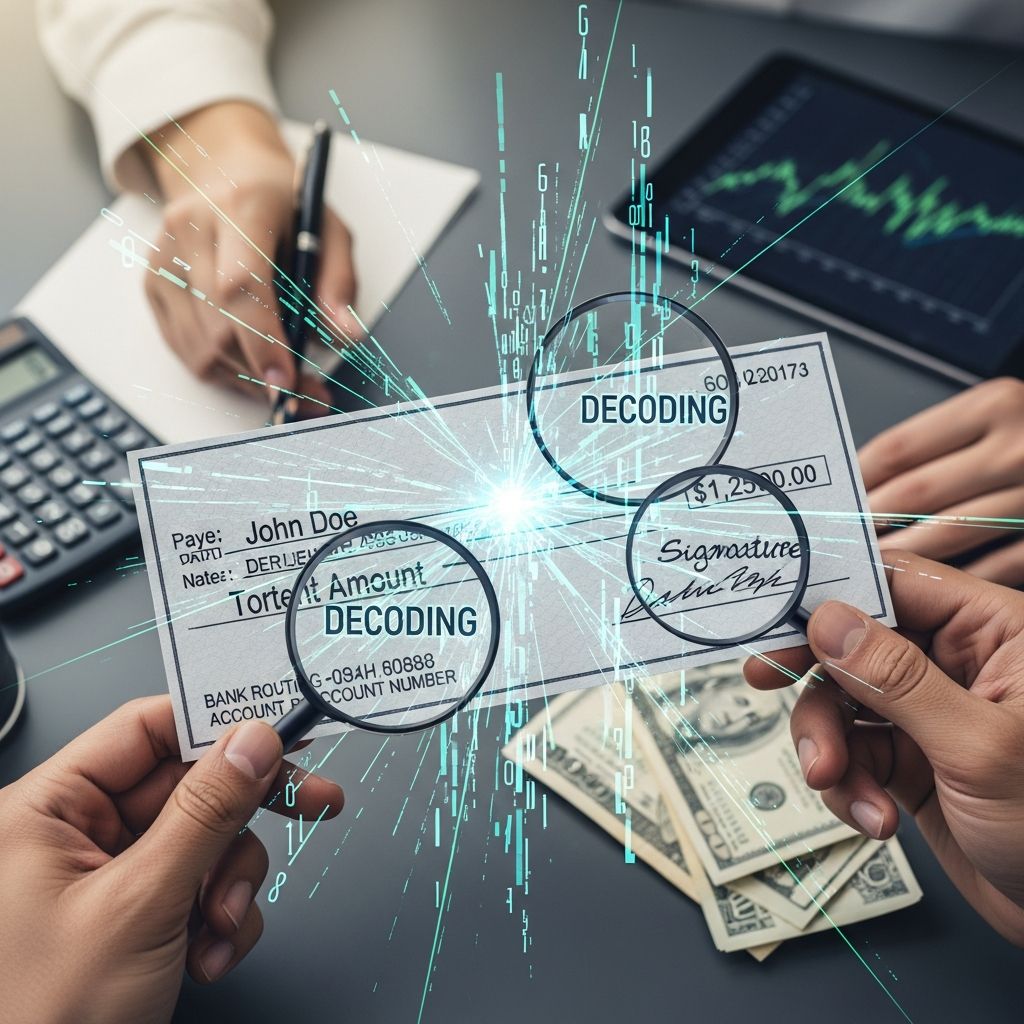
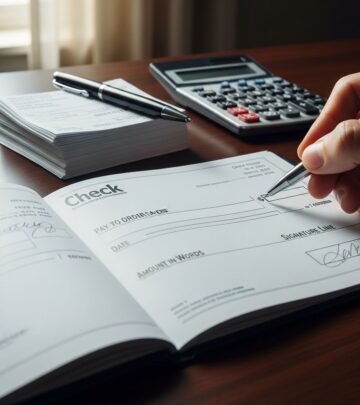
Checks remain a fundamental tool in personal and business finance, even amid digital payment trends. Knowing how to interpret every section ensures accurate processing, fraud prevention, and effective record-keeping. This guide explores each component systematically, empowering you to handle checks with confidence.
Essential Elements at the Top of a Check
The upper portion of a check contains critical identification details for the issuer and the transaction timing. Start here to verify legitimacy before proceeding.
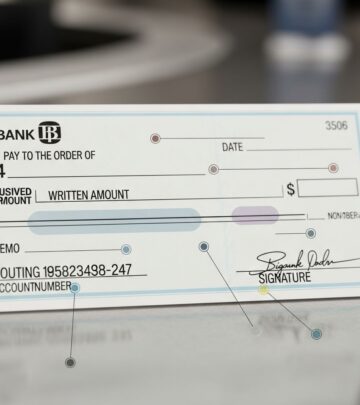
- Issuer’s Details: Typically printed in the top-left corner, this includes the account holder’s full name, address, and sometimes phone number. It identifies who authorizes the payment and aids banks in verification.
- Check Number: Found in the upper-right corner, this 3-4 digit code matches the one at the bottom. It tracks individual checks in your ledger, helping detect theft or duplicates.
- Date Field: Located below the payee line or near the top-right. Write the current date in MM-DD-YYYY format. Banks reject post-dated or stale checks (over 6 months old).
These top elements set the context for the payment, ensuring it’s timely and traceable.
Specifying the Recipient and Payment Value
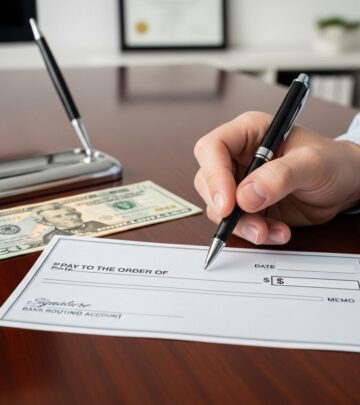
The middle section defines who receives funds and the exact amount, reducing errors during cashing or deposit.
| Component | Location | Purpose |
|---|---|---|
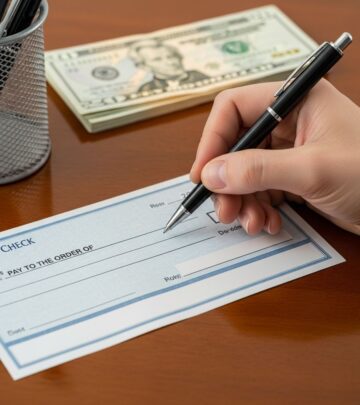
| Payee Line | After “Pay to the Order of” | Names the exact recipient; must be legible to prevent alterations |
| Numerical Amount Box | Right side, small box | Enter dollars and cents (e.g., $125.50); draw a line through unused space |
| Written Amount Line | Below payee line | Spell out the amount (e.g., One hundred twenty-five and 50/100); matches numerical value |
Discrepancies between numerical and written amounts can void the check. Always double-check for consistency.
Bottom Line Numbers: The MICR Code Explained
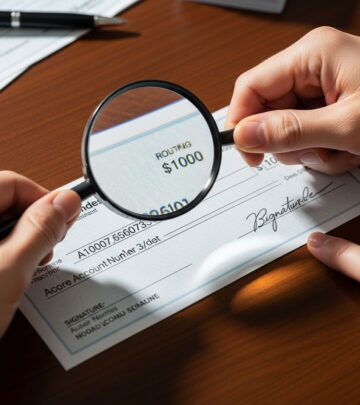
The most technical part lies at the check’s base: the Magnetic Ink Character Recognition (MICR) line. Printed in magnetic ink, it enables automated bank processing. Three key number sets appear from left to right.
- Routing Number (9 Digits): Identifies the bank and its location. Starts with 0-12; crucial for directing funds.
- Account Number (8-12 Digits): Pinpoints the specific checking account. Varies by bank; keep confidential.
- Check Number (3-4 Digits): Repeats the top-right number for reconciliation.
In some cases, a fractional number appears in the top-right, like 12-345/6789, serving as a backup if MICR is damaged. It encodes the same routing info.
Authorization and Additional Notes
Closing the check are lines for optional details and mandatory approval.
- Memo Line: Bottom-left, labeled “For” or blank. Note invoice numbers, purposes (e.g., “Rent July 2026”), or references. Not required but useful for accounting.
- Signature Line: Bottom-right. The account holder’s wet signature authorizes withdrawal. Missing or mismatched signatures invalidate the check.
- Bank Info: Often pre-printed below issuer details or routing area, including bank name, logo, and contact.
A complete signature confirms intent, while memos aid dispute resolution.
Security Features to Spot on Modern Checks
Banks embed protections against counterfeiting. Examine under light or at angles:
- Watermarks: Faint images visible when held to light.
- Microprinting: Tiny text along signatures or borders; blurs when photocopied.
- Security Threads: Embedded strips or holograms.
- Chemical-Sensitive Ink: Words like “VOID” appear if bleached.
These deter fraud; report suspicious checks to your bank immediately.
Step-by-Step Process for Reading Any Check
Follow this sequence to verify quickly:
- Scan top for issuer info and date.
- Confirm payee and matching amounts.
- Read MICR: routing (left), account (middle), check # (right).
- Check memo and signature.
- Inspect security features.
This method takes under a minute and prevents errors.
Common Mistakes and How to Avoid Them
Even experts err. Key pitfalls:
- Incorrect Dates: Use today’s date; post-dating rarely works.
- Amount Mismatches: Write clearly; words prevail over numbers legally.
- Illegible Payee: Print names; avoid cursive.
- Missing Signature: Always sign.
- Exposed Numbers: Shield MICR when sharing photos.
Proofread before handing over.
When and Why Checks Still Matter in 2026
Digital wallets dominate, but checks persist for rentals, contractors, and large sums. They provide a paper trail, no fees for recipients, and work without internet. U.S. banks process billions annually, per Federal Reserve data.
Handling Received Checks Safely
As payee:
- Endorse back: Sign name, add “For deposit only” + account # for security.
- Deposit promptly; void after 180 days.
- Verify funds via bank app if possible.
Mobile deposit? Align per app guidelines.
FAQs
What if the routing number is wrong?
Funds return undelivered; correct via bank.
Can I cash an unsigned check?
No; invalid without signature.
How long is a check valid?
Typically 6 months; varies by bank.
What’s the fractional number for?
Backup routing identifier.
Do businesses use different checks?
Yes, often with logos and multi-part forms.
Advanced Tips for Frequent Users
Balance checkbooks monthly. Use apps like Mint for reconciliation. Order secure checks from banks, not third parties. For international, confirm formats vary (e.g., Canada adds transit numbers).
Mastering checks builds financial literacy. Practice with samples from your bank.
References
- How to Read a Check? | Check Guide for Beginners — GlobalBanks. 2023. https://globalbanks.com/how-to-read-a-check/
- How to Read a Check: What Every Section Means — Remitly. 2023. https://www.remitly.com/blog/finance/how-to-read-a-check/
- Understanding the Components of a Check — TechChecks. 2023. https://www.techchecks.net/resources/understanding-components-of-check
- Understanding the Parts of a Check — NerdWallet. 2023-10-01. https://www.nerdwallet.com/banking/learn/understanding-the-parts-of-a-check
- How to Read a Check — Huntington Bank. 2023. https://www.huntington.com/learn/checking-basics/how-to-read-a-check
Similar Articles








Read full bio of Sneha Tete