Decluttering Tips For Hoarders: 7 Steps To Reclaim Space
Practical, compassionate decluttering tips to help hoarders and overwhelmed homeowners reclaim space, calm, and financial control.
Living in a cluttered or hoarded home can feel overwhelming, embarrassing, and expensive. The good news is that with small, consistent steps and the right strategies, it is possible to reclaim your space, protect your mental health, and improve your finances.
This guide mirrors the structure of a practical Clever Girl Finance article and walks you through why hoarding happens, how clutter impacts your money and wellbeing, and specific decluttering tips for hoarders – plus a realistic hoarder cleaning checklist you can start using today.
What Is Hoarding And How Is It Different From Clutter?
Many people have messy closets or junk drawers, but hoarding is more than everyday disorganization. Hoarding disorder is defined in the Diagnostic and Statistical Manual of Mental Disorders (DSM-5) as persistent difficulty discarding or parting with possessions, regardless of their actual value, due to a perceived need to save them and distress associated with discarding them.
Over time, this leads to accumulation that clutters living areas and substantially compromises their intended use, often causing significant distress or impairment in social, occupational, or other important areas of functioning.
Hoarding vs. Being Messy
- Everyday clutter: Spaces are disorganized but still usable. You can generally find what you need and walk safely through rooms.
- Hoarding-level clutter: Rooms may be unusable for their intended purpose (e.g., you cannot cook in the kitchen or sleep in the bed). Hallways and exits may be blocked, and there is intense distress when trying to discard items.
Hoarding is often linked with anxiety, depression, and difficulties with decision-making and organization. If that describes you, you are not lazy or broken – you are dealing with a real challenge that deserves compassion and support.
How Clutter Affects Your Money
Clutter is not just a visual or emotional issue – it has clear financial consequences. Decluttering can act as a subtle but powerful financial strategy, helping you save time and money.
Direct Financial Costs Of Clutter
- Buying duplicates: When you cannot find what you own, you are more likely to buy another one. This leads to wasted money on items you already have.
- Storage expenses: Self-storage units and offsite storage are common for people with too much stuff. In the U.S., self-storage is a multibillion-dollar industry, and monthly fees add up quickly.
- Missed opportunities to sell or donate: Items buried in clutter often lose resale value over time. Donating them earlier could also provide tax deductions, depending on your situation and local tax rules.
Hidden Financial Costs
- Time lost: Searching for misplaced items or documents wastes hours that could be spent on work, side hustles, or rest.
- Home maintenance and repair issues: Clutter can hide leaks, mold, or pests, allowing small issues to become expensive repairs.
- Health expenses: Research indicates that hoarding is associated with increased health risks, including falls and poor sanitation, which can ultimately lead to higher medical costs.
| Clutter Effect | How It Hurts Your Finances |
|---|---|
| Cannot find items | Buying duplicates, late fees when bills are misplaced |
| Overstuffed home | Paying for storage units or larger housing than you truly need |
| Hidden maintenance issues | Costly repairs when simple fixes are delayed |
| Stress and burnout | Reduced productivity and potential income loss |
How Clutter Affects Your Mental And Physical Health
Clutter does not just take up physical space – it also occupies mental space. Clinical and psychological research connects chronic clutter and hoarding to increased stress, anxiety, and depression.
Mental Health Impact
- Higher stress levels: Visual clutter can make it harder for your brain to process information, contributing to feelings of overload.
- Shame and isolation: Many people with hoarding tendencies avoid inviting others into their home, which can lead to loneliness and strained relationships.
- Decision fatigue: Constantly facing piles of belongings and choices about what to keep or discard can exhaust your ability to make decisions in other parts of life.
Physical Health And Safety Risks
- Fall hazards: Piles on floors and blocked pathways increase the risk of tripping and falling – a serious concern, especially for older adults.
- Fire risks: Excess paper, fabric, and other materials can make fires more likely and more severe.
- Sanitation issues: Accumulated trash or spoiled items can lead to pests, mold, and respiratory issues.
Because of these risks, some individuals may face pressure from landlords or local authorities to remediate severe hoarding situations. Starting the decluttering process early can help you avoid these crisis scenarios.
7 Practical Decluttering Tips For Hoarders
You do not have to fix everything at once. The goal is to build momentum with small, realistic steps and reduce both mental and financial stress along the way. The following decluttering tips for hoarders are tailored to people who feel overwhelmed, not just mildly messy.
1. Start With Safety Zones, Not Sentimental Items
Begin where clutter poses clear safety or hygiene problems rather than with emotionally loaded items like photos or gifts. This creates quick wins and protects your health.
- Focus first on:
- Clearing pathways to exits and between rooms
- Making at least one chair, bed, or couch usable
- Removing obvious trash and spoiled food
- Leave sentimental boxes, collections, and paperwork for later once your decision-making muscles are stronger.
2. Use Simple Categories: Keep, Donate, Recycle, Trash
Complicated systems often discourage follow-through. Instead, sort items into just a few basic categories as you go:
- Keep – items you use regularly or truly need.
- Donate – usable items that could benefit someone else.
- Recycle – paper, cardboard, some plastics and metals, according to local rules.
- Trash – broken, unsafe, or unsanitary items.
Do not worry about perfect decisions. As some financial decluttering experts suggest, the most important thing is to get unneeded items out, not to maximize their resale value.
3. Declutter In Tiny, Scheduled Sessions
Trying to clean the entire house in one weekend is often unrealistic and discouraging. Instead, treat decluttering like building a new habit.
- Set a timer for 10–20 minutes and work on one shelf, one drawer, or one small corner at a time.
- Schedule these mini-sessions into your week — for example, 15 minutes after dinner on weeknights and 30 minutes on Saturday morning.
- Stop when the timer ends, even if you feel you could do more. Ending on a success makes it easier to start next time.
4. Create A No-New-Clutter Rule
Decluttering is much harder if new items keep pouring in. To protect your progress and your wallet:
- Pause non-essential shopping while you are actively decluttering.
- Unsubscribe from marketing emails and remove impulse-shopping apps that encourage overspending.
- Use a simple rule at the door: “One in, one out” — every time a new item comes in, one item must leave.
5. Focus On High-Impact Areas First
Instead of trying to declutter every space at once, prioritize areas that will immediately improve your daily life and financial organization.
- Kitchen: Clear counters and make a safe space to cook, which helps you eat at home more and spend less on takeout.
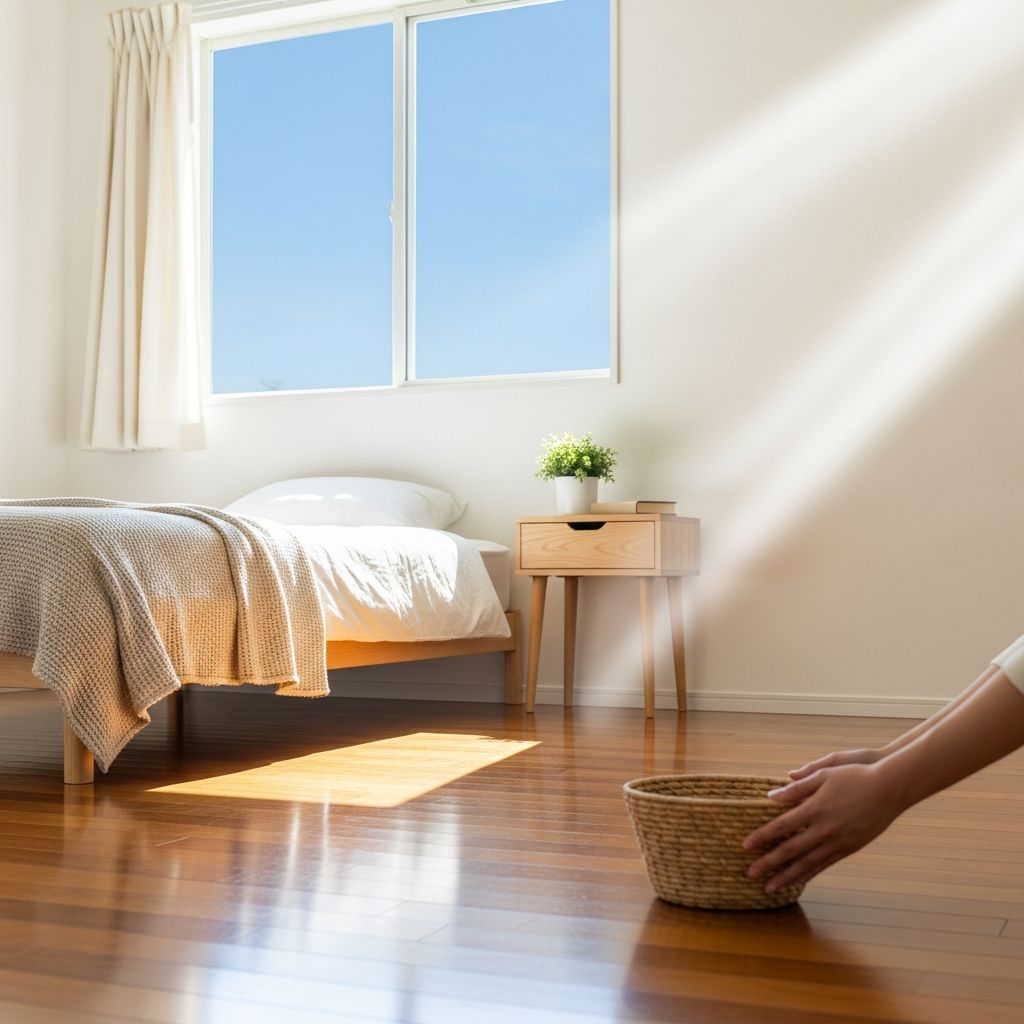
- Bedroom: Make the bed accessible and free of piles so you can sleep better and reduce stress.
- Entryway: Keep it as clear as possible for safety and to reduce the stress of leaving and returning home.
- Paperwork zone: Create a small designated area for bills and important financial documents to avoid late fees and missed payments.
6. Get Support – Professional Or Personal
Hoarding is often connected to underlying emotional and cognitive challenges, and research supports the use of cognitive behavioral therapy (CBT) tailored to hoarding disorder. You do not have to do this alone.
- Consider talking with a therapist experienced with hoarding or anxiety-related disorders.
- Hire a professional organizer or cleaning service familiar with hoarding situations for short, focused sessions.
- Ask a trusted friend or family member to be a non-judgmental helper and accountability partner.
Set clear boundaries: you remain in control of what stays and what goes. The aim is support, not shame.
7. Be Kind To Yourself And Celebrate Small Wins
Shame is one of the biggest barriers to progress. People who have successfully decluttered hoarding-level homes often emphasize self-compassion and accepting that change takes time.
- Acknowledge that your home did not become cluttered overnight, and it will not be fixed overnight either.
- Track visual progress with before-and-after photos of small areas (a drawer, a chair, a section of the floor).
- Reward yourself for each completed session with a simple treat: a cup of tea, a walk, or time with a favorite show.
Hoarder Cleaning Checklist: Room-By-Room Starter Guide
This basic hoarder cleaning checklist is not meant to be finished in one day. Use it as a roadmap and check off steps over weeks or months.
General Safety And Preparation
- Wear gloves, closed-toe shoes, and a mask if dust or odors are present.
- Open windows for ventilation when possible.
- Keep a phone nearby in case you need help.
- Gather trash bags, boxes, and cleaning supplies before you start.
Whole-Home Checklist
- Clear all doorways so they open fully.
- Create safe pathways through each room.
- Identify and remove obvious trash (food containers, broken items, expired products).
- Separate important documents (ID, bank statements, insurance, medical info) into a clearly labeled folder or box.
Kitchen
- Throw away spoiled food from the refrigerator and pantry.
- Clear a small section of counter space and wipe it down.
- Wash enough dishes to prepare simple meals.
- Group similar items together (plates, cups, utensils) to make them easier to store.
Bathroom
- Remove trash, empty bottles, and expired medications (dispose according to local guidelines).
- Clear the sink, toilet area, and shower or tub.
- Keep only daily-use products within reach.
Bedroom
- Clear the bed of piles so you can sleep on it.
- Remove trash and dirty dishes.
- Bag dirty laundry and place it in a single location for washing.
- Ensure there is a safe path from the bed to the door.
Living Room Or Main Sitting Area
- Clear one seat or spot where you can sit comfortably.
- Remove trash and empty containers.
- Gather scattered items into categories (books, clothes, papers) and tackle one category at a time.
Paperwork And Financial Documents
- Collect all papers from around the house in one place.
- Quickly sort into:
- Keep – legal documents, IDs, recent bills, bank statements, tax records.
- Shred/Recycle – junk mail, duplicates, outdated flyers.
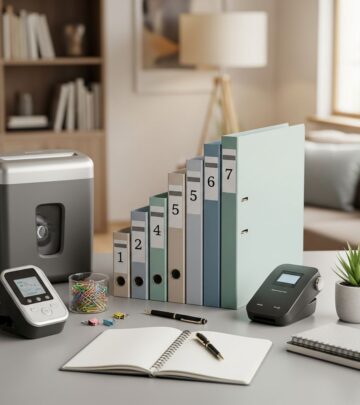
- Create a simple bill-paying station with envelopes, stamps (if needed), and a calendar.
Maintaining Your New Space And Protecting Your Finances
Once you have made progress, keeping your space manageable is about building small routines rather than relying on occasional massive clean-ups.
Daily And Weekly Habits
- Spend 5–10 minutes each day putting items back in their place.
- Do a quick “nightly reset” of the kitchen and living room to prepare for the next day.
- Review incoming mail once per week, immediately recycling junk and filing important documents.
Financial Boundaries To Prevent Re-Cluttering
- Set a monthly spending plan that limits non-essential purchases.
- Review subscriptions and recurring charges at least twice a year to cancel services you no longer use.
- Before buying anything non-essential, ask: Do I have a place for this? Am I willing to remove something else to make room?
Frequently Asked Questions (FAQs)
Q: How do I start decluttering when I feel completely overwhelmed?
A: Start with safety and the smallest possible step. Clear a pathway, throw away obvious trash in one small area, or set a 10-minute timer. You are not required to finish a room; you just need to begin. Consistency is more important than intensity.
Q: Should I try to sell my clutter to make money?
A: Selling items can help your finances, but it can also slow you down and add stress. Many financial decluttering experts emphasize that the most important thing is to get unused items out of your home, even if that means donating instead of selling.
Q: Is hoarding a mental illness?
A: Yes. Hoarding disorder is recognized as a distinct condition in the DSM-5, characterized by persistent difficulty discarding possessions and significant distress or impairment. If you suspect you have hoarding disorder, seeking professional help is an important and courageous step.
Q: How can I help a loved one who is a hoarder?
A: Approach them with empathy, not judgment. Offer practical help, such as assisting with small tasks or finding a therapist or professional organizer. Pressuring them to throw things away without their consent can damage trust and often backfires.
Q: What if my home is so bad that I am afraid of getting in trouble?
A: You are not alone in feeling that fear. Because severe hoarding can involve health and safety risks, some people do face pressure from landlords or authorities. Starting with small but visible safety improvements—like clearing exits and removing trash—can reduce immediate risk. In high-risk situations, working with professionals who understand hoarding is especially important.
References
- Mataix-Cols D, Frost RO, Pertusa A, et al. “Hoarding disorder: a new diagnosis for DSM-5” — Depression and Anxiety. 2010-06-01. https://doi.org/10.1002/da.20693
- American Psychiatric Association. Diagnostic and Statistical Manual of Mental Disorders (5th ed., text rev.) – Hoarding Disorder — American Psychiatric Association. 2022-03-18. https://psychiatry.org/patients-families/hoarding-disorder/what-is-hoarding-disorder
- Dillbeck L. “The Many Mental Benefits of Decluttering” — Cleveland Clinic Health Essentials. 2021-02-05. https://health.clevelandclinic.org/benefits-of-decluttering
- Dahall G. “The Secret to Reducing Clutter is Deep Inside You” — Psychology Perspective Substack. 2023-04-30. https://psychologyperspective.substack.com/p/the-secret-to-reducing-clutter-is
- Dahle J. “Decluttering as a Financial Strategy” — The White Coat Investor. 2022-12-12. https://www.whitecoatinvestor.com/decluttering-as-a-financial-strategy/
- Mai Zimmy (Mom Life & Cleaning) – Former hoarder gives life-changing hacks on how to declutter your world — Upworthy. 2023-10-02. https://www.upworthy.com/ex-hoarder-life-changing-hacks
- “5 Things to Cut from Your Finances for Instant Savings & Less Stress” — Clever Girl Finance (YouTube). 2023-08-08. https://www.youtube.com/watch?v=hvdwG-UjOrc
Similar Articles








Read full bio of Sneha Tete