Debts That End Up in Collections
Discover which common debts can lead to collections, how the process unfolds, and strategies to manage or avoid it effectively.

Most unsecured debts become eligible for collections when payments are ignored for extended periods, typically after 90 to 180 days of delinquency. This process involves creditors handing over accounts to agencies for recovery efforts, impacting credit scores significantly.
Understanding the Collections Journey
Debt enters collections when original lenders deem recovery unlikely through standard billing. Initially, creditors attempt in-house recovery via reminders and calls, known as first-party collections. If unsuccessful, they outsource to third-party agencies operating on contingency fees of 10-25% of recovered amounts, or sell debts outright to buyers at 5-20% of face value.
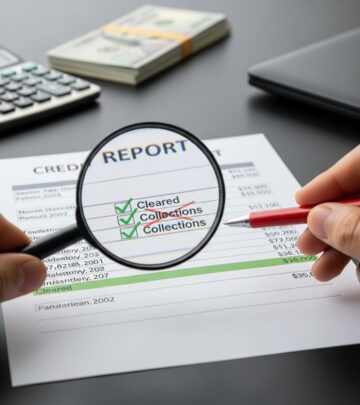
This shift marks a critical phase: the account appears on credit reports, dropping scores by 100+ points. Federal protections under the Fair Debt Collection Practices Act (FDCPA) apply to personal debts like credit cards and medical bills but exclude business obligations.
Common Debts Targeted for Collections
Numerous everyday debts can escalate to collections if unpaid. Here’s a breakdown:
- Credit Card Debt: Highly common due to high interest rates nearing 23%, making balances grow rapidly. Agencies pursue these aggressively, especially over $1,000.
- Medical Bills: Frequent due to unexpected costs; providers often sell delinquencies to buyers who litigate.
- Utility and Cell Phone Bills: Sent to collections after repeated nonpayment, though lawsuits are rarer unless amounts are large.
- Personal and Auto Loans: Deficiency balances post-repossession trigger pursuits; personal loans see frequent legal action.
- Private Student Loans: More litigated than federal ones due to high balances and fewer protections.
- Unpaid Rent and Tax Debts: Landlords and IRS can assign these, though government debts follow unique rules.
- Mortgage Debt: Rare for collections alone; often leads to foreclosure instead.
Timeline of Debt Delinquency to Collections
Creditors follow internal timelines, but patterns emerge:
| Days Past Due | Action Taken | Credit Impact |
|---|---|---|
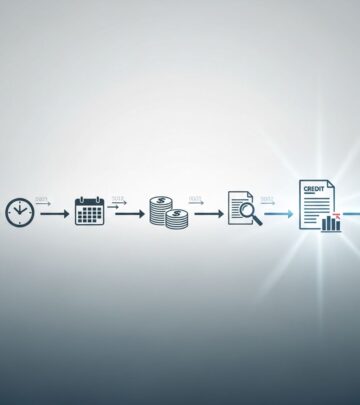
| 30-90 | First-party reminders, late fees | Minor score dip |
| 90-180 | Third-party assignment | Collection account appears |
| 180+ | Charge-off, debt sale | Severe score drop, lawsuits possible |
After 180 days, charge-offs occur, writing off the debt for tax purposes while transferring pursuit rights.
Collection Methods Employed
Agencies use varied tactics:
- Communication: Calls, letters, emails within FDCPA limits—no harassment, threats, or inconvenient timing (before 8 AM or after 9 PM).
- Legal Actions: Suits for judgments enabling wage garnishment (up to 25% of net pay), bank levies, or liens.
- Assignments: Access to future assets like tax refunds.
Credit card and auto deficiencies see highest litigation rates; utilities less so for small sums under $500.
Risks of Legal Action by Debt Collectors
Certain debts prompt lawsuits more readily:
| Debt Type | Litigation Likelihood | Typical Amount |
|---|---|---|
| Credit Cards | High | >$1,000 |
| Medical Debt (by buyers) | Medium-High | Varies |
| Auto Deficiencies | High | $1,000s-$10,000s |
| Private Student Loans | High | Large balances |
| Utilities | Low | Substantial only |
Winning suits grants collectors powerful enforcement tools, compounding debts with fees and interest.
Your Legal Rights Against Collectors
The FDCPA safeguards consumers:
- Prohibits false threats, deception, or unfair practices.
- Requires validation notices within 5 days of contact.
- Allows cessation of contact upon written request (though debt persists).
- Disputes must be investigated within 30 days.
Report violations to the Consumer Financial Protection Bureau (CFPB) or FTC.
Strategies to Address Debts in Collections
Proactive steps mitigate damage:
- Verify Debt: Request written validation.
- Negotiate Settlements: Offer lump sums for 30-50% reductions.
- Payment Plans: Secure agreements in writing.
- Dispute Errors: On credit reports via Equifax, Experian, TransUnion.
- Seek Aid: Credit counseling or bankruptcy as last resorts.
Paid collections still harm scores for 7 years; recent CFPB rules may suppress minor medical debts from reports.
Preventing Debt from Reaching Collections
Avoid escalation by:
- Communicating early with creditors for hardship programs.
- Using balance transfers or debt consolidation.
- Maintaining emergency funds covering 3-6 months’ expenses.
- Monitoring credit reports weekly via AnnualCreditReport.com.
Frequently Asked Questions
What triggers a debt to go to collections?
Typically 90-180 days of nonpayment, after internal efforts fail.
Does collections affect credit forever?
No, accounts drop off after 7 years from original delinquency date.
Can collectors garnish wages without a lawsuit?
No, court judgment required first.
Are federal student loans sent to collections?
Rarely; they use wage garnishment and offsets without lawsuits.
How to remove collections from credit report?
Dispute inaccuracies, negotiate pay-for-delete (unenforceable but sometimes honored), or wait out the 7 years.
Long-Term Financial Recovery Post-Collections
Rebuilding starts with secured cards, on-time payments, and low utilization. Scores recover within 1-2 years of positive history. Professional advice from nonprofit counselors aids sustainable plans.
Understanding these dynamics empowers better financial navigation, turning potential crises into manageable situations.
References
- Debt Collection FAQs — Federal Trade Commission. 2023-10-01. https://consumer.ftc.gov/articles/debt-collection-faqs-0
- Debt collection — Consumer Financial Protection Bureau. 2024-05-15. https://www.consumerfinance.gov/consumer-tools/debt-collection/
- What types of debt will a debt collector sue over? — CBS News. 2023-11-20. https://www.cbsnews.com/news/what-types-of-debt-will-a-debt-collector-sue-over/
- What Methods Can Creditors Legally Use to Collect Debts? — Justia. 2024-02-10. https://www.justia.com/debt-management/creditor-collection-methods/
- 3 Types of Debt Collection Explained — Southwest Recovery Services. 2023-08-05. https://www.swrecovery.com/resources/blog/3-types-of-debt-collection-explained/
- Debt Collection Agencies: What Do They Do? — Equifax. 2024-01-12. https://www.equifax.com/personal/education/debt-management/articles/-/learn/what-can-collection-agencies-do/
Similar Articles








Read full bio of medha deb