Understanding Debt Validation Rights and Procedures
Learn your legal rights to challenge and verify debts from collectors
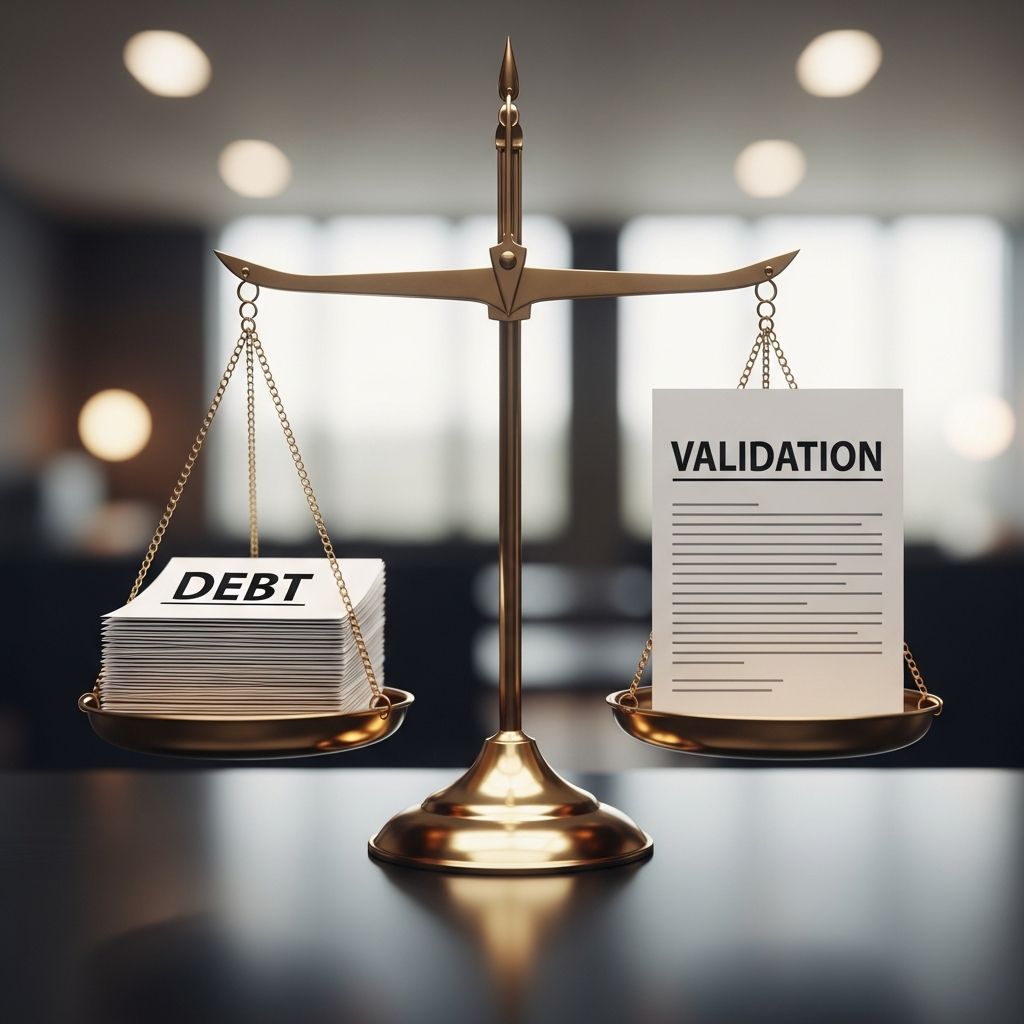
When a debt collection agency contacts you about an outstanding debt, they are required by federal law to provide you with specific information about that obligation. This legal requirement exists to protect consumers from being pursued for debts they don’t actually owe or that have already been paid. Understanding the mechanics of debt validation is essential for protecting your financial rights and ensuring accurate information is being reported about your accounts.
The Distinction Between Two Critical Documents
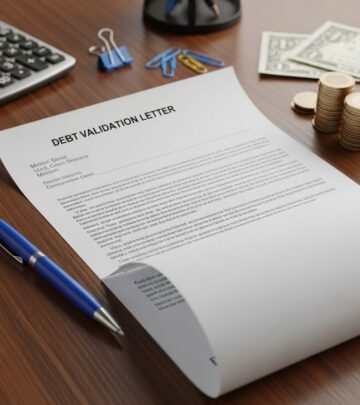
The terminology surrounding debt collection communications can be confusing because two related but different documents serve different purposes in the debt resolution process. The first is the debt validation notice—a document the collector sends to you. The second is the debt verification letter—a document you send to the collector. Understanding the distinction between these two is crucial for navigating your options effectively.
The debt validation notice originates from the collection agency and serves as their legal obligation to inform you about the debt they claim you owe. In contrast, a debt verification letter is your proactive response, sent when you want to challenge the information provided or request additional documentation supporting the claim. This distinction matters because each document serves a different function in the collection dispute process.
The Legal Framework Governing Debt Collection Communications
The Fair Debt Collection Practices Act (FDCPA) establishes the fundamental rules that collection agencies must follow when attempting to recover outstanding debts. This federal legislation was enacted to prevent abusive, unfair, or deceptive practices in the debt collection industry. Under the FDCPA, collection agencies cannot simply contact you and demand payment without providing proper documentation and notice of your rights.
Section 809 of the FDCPA specifically addresses validation requirements and establishes your right to dispute debts or request written verification. The law recognizes that consumers can be targets of collection efforts for debts they don’t recognize, don’t actually owe, or have already repaid. The validation framework exists to create accountability in the collection industry and ensure that collectors have legitimate reasons for pursuing payment.
What Must Be Included in a Debt Validation Notice
When a collection agency contacts you for the first time about a debt, they must include specific information in their communication. Understanding what should be present helps you identify whether a collection notice is legitimate and complete. Collection agencies are legally required to provide the following elements:
- Clear identification that the communication originates from a debt collection agency
- Your full name and complete mailing address
- The collection agency’s name and official mailing address
- The name of the original creditor to whom you allegedly owe the debt
- Any account number associated with the debt account
- The total amount claimed to be owed
- A detailed breakdown showing how the total was calculated, including principal, interest charges, and any fees added
- A statement of your rights to dispute the debt within a specified timeframe
- Instructions for how to request verification of the debt
- Information about what happens if you dispute the claim
This comprehensive information requirement ensures you have sufficient details to determine whether the debt actually belongs to you and whether the amount is accurate.
Your 30-Day Window for Taking Action
Upon receiving a debt validation notice, you enter a critical period during which you must decide how to respond. The FDCPA provides consumers with a 30-day window from the date of the collector’s initial contact to take action regarding the debt. This timeframe is not indefinite—it’s important to note the specific date the communication was received because your response period begins from that date.
During this 30-day window, you have several options available to you. You can choose to simply pay the debt if you acknowledge it as legitimate. You can request verification of the debt by sending a written letter to the collection agency. You can dispute the debt entirely. Or you can request additional information about the creditor and the original account. Taking action within this window is important because it activates your consumer protections and prevents the collector from continuing collection efforts until they respond to your dispute.
Crafting an Effective Debt Verification Letter
If you decide to dispute the debt or request additional information, sending a written debt verification letter is the appropriate mechanism for doing so. This letter should be formal, specific, and clearly document your requests. The letter must be sent via certified mail with return receipt requested so you have proof that the collection agency received your communication.
Your verification letter should include the following elements:
- Your full name and address
- The account or reference number associated with the debt, if known
- A clear statement that you dispute the debt or are requesting verification
- Specific information you’re requesting from the collector
- A request for documentation proving the debt belongs to you
- A request for the original loan agreement or credit application establishing your obligation
- An itemized breakdown showing when each fee or interest charge was added and why
- Documentation proving the collection agency is licensed to collect in your state
- The date the original debt became delinquent
- Information confirming you are the responsible party for this specific debt
The specificity of your verification letter matters because it creates a clear record of what you requested and when you requested it. Collection agencies are required to respond adequately to reasonable requests or cease collection efforts.
What Happens After You Send a Dispute Letter
Once you send a written debt verification letter to a collection agency, their obligations change significantly. The FDCPA prohibits collectors from continuing collection efforts until they have provided adequate verification of the debt in response to your dispute. This is a powerful protection because it essentially puts collection activities on pause while they work to verify their claims.
The collection agency has a specific obligation to respond to your verification request. They cannot simply ignore your letter or provide vague responses. They must either provide the documentation you requested or acknowledge that they cannot verify the debt. If they cannot verify the debt after your dispute, they should cease collection efforts entirely and remove the debt from your credit report if it was reported.
Once the collector provides their response to your verification request, you have an additional opportunity to review the information they’ve provided. If you find errors or discrepancies, you can continue the dispute process or seek further clarification.
Protecting Yourself From Fraudulent Collection Claims
Unfortunately, not all collection agencies operate with complete integrity. Some may attempt to collect on debts that don’t actually belong to you, debts that have already been paid, or debts that are too old to legally collect. Requesting debt validation is your primary defense against these practices.
Red flags that should prompt you to request immediate verification include receiving collection notices for accounts you don’t recognize, debts you know you’ve already paid, or collection efforts from multiple agencies for the same debt. You should never feel pressured to pay a debt immediately simply because a collector claims you owe it. The validation process exists precisely to prevent you from paying debts that may not be legitimate.
Be cautious about providing personal or financial information to collectors before they’ve proven the legitimacy of their claims. Never confirm personal details just because a collector states them. Ask them to verify the information independently. Legitimate collectors understand these precautions and will cooperate with validation requests.
Key Protections Under Federal Law
Beyond the validation requirement, the FDCPA establishes several other important protections for consumers dealing with debt collectors:
- Collectors cannot contact you before 8 AM or after 9 PM in your local time zone
- Collectors cannot contact you at work if your employer prohibits such communications
- Collectors cannot use threats, harassment, or abusive language
- Collectors cannot misrepresent the amount owed or the legal status of a debt
- Collectors cannot threaten legal action they don’t intend to take
- Collectors cannot report inaccurate information to credit bureaus
- Once you send a written request to stop communications, collectors must cease contact except to confirm their intent to stop
These protections work together with validation requirements to create a framework that prevents predatory collection practices.
Frequently Asked Questions About Debt Validation
How do I know if a debt validation notice is legitimate?
Legitimate validation notices must include all the required information outlined by the FDCPA and be from an identifiable collection agency with contact information you can independently verify. Be suspicious of notices that contain vague information, lack complete creditor identification, or don’t clearly state your rights. You can verify whether an agency is legitimate by contacting your original creditor directly or checking state records for licensed collection agencies.
What if the collection agency doesn’t respond to my verification letter?
If a collection agency fails to respond adequately to your verification request within the required timeframe, or provides inadequate proof, you have several options. You can file a complaint with the Consumer Financial Protection Bureau (CFPB), file a complaint with your state’s attorney general’s office, or consider consulting with a consumer rights attorney about potential legal action against the collector for FDCPA violations.
Can a debt collector continue collection efforts while I’m disputing the debt?
No. Once you send a written dispute letter, the collector must cease collection attempts until they’ve provided adequate verification of the debt. This is an important protection that prevents collectors from harassing you while the dispute process is ongoing.
What if I disagree with the collector’s verification response?
If you receive verification information but believe it’s inaccurate or incomplete, you can respond with additional dispute documentation or request clarification. You can also dispute the information with credit reporting agencies or file complaints with the CFPB if you believe the collector is not following FDCPA requirements.
Does my dispute affect my credit report?
Filing a dispute does not automatically remove the debt from your credit report. However, if the collector cannot verify the debt and fails to respond adequately to your dispute, you can request that the information be removed from your credit report. Additionally, you can add a statement to your credit file explaining that you dispute the debt.
Taking Action Proactively
Receiving a debt collection notice can be stressful, but understanding your rights significantly reduces your vulnerability to improper collection practices. The validation process exists specifically to protect you from being pursued for debts that may not be legitimate or may contain errors. Rather than panicking or paying immediately, take time to carefully review the notice and determine whether the debt is actually yours.
If you have any doubt about whether a debt is legitimate, send a verification letter requesting documentation. The cost of sending certified mail is minimal compared to the protection you gain by ensuring that any debt payment you make is actually owed. Document everything, keep copies of all correspondence, and maintain records of when you sent dispute letters and when you received responses.
By understanding and exercising your validation rights under the FDCPA, you protect yourself from predatory collection practices and ensure that you only pay debts that you actually owe.
References
- 15 U.S. Code § 1692g – Validation of debts — United States Code, Cornell Law School. https://www.law.cornell.edu/uscode/text/15/1692g
- What information does a debt collector have to give me about the debt — Consumer Financial Protection Bureau. https://www.consumerfinance.gov/ask-cfpb/what-information-does-a-debt-collector-have-to-give-me-about-the-debt-en-331/
- Debt validation — Wikipedia. https://en.wikipedia.org/wiki/Debt_validation
Similar Articles








Read full bio of medha deb