Debt-To-Income Ratio: 3 Simple Steps To Calculate Your DTI
Master your DTI ratio: Calculate, understand, and improve your mortgage qualification chances.

Understanding Your Debt-to-Income Ratio
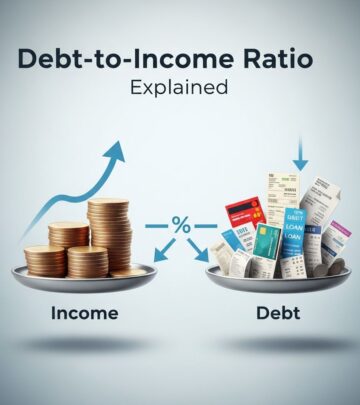
Your debt-to-income ratio, commonly referred to as DTI, represents a critical metric that lenders use to evaluate your financial health and creditworthiness. This percentage reflects how much of your gross monthly income is allocated toward paying recurring debt obligations. Understanding and managing your DTI is essential for anyone seeking mortgage approval or planning their financial future.
The DTI ratio essentially tells lenders whether you have sufficient income to comfortably manage new debt while meeting existing financial obligations. A lower DTI indicates you have more disposable income and are statistically less likely to default on a loan. Conversely, a higher DTI suggests that a larger portion of your income is already committed to debt payments, leaving less room for new obligations.
What Is Included in Your Debt-to-Income Ratio?
When calculating your DTI, lenders consider all recurring monthly debt payments from your credit report. These include:
- Auto loan payments
- Child support and alimony obligations
- Credit card minimum payments
- Home equity loans and lines of credit
- Mortgage payments (principal, interest, taxes, and insurance)
- Personal loans and lines of credit
- Student loan payments
- Store credit card payments
- Timeshare payments
Notably, monthly living expenses such as groceries, utilities, insurance premiums, and childcare are not included in DTI calculations. The focus remains specifically on recurring debt obligations that appear on your credit report.
The Two Types of Debt-to-Income Ratios
Lenders typically evaluate two distinct DTI ratios to get a comprehensive picture of your financial situation.
Front-End DTI (Housing Ratio)
The front-end DTI, also called the housing ratio, considers only your monthly housing-related debt payments. This calculation includes your mortgage payment broken down into principal, interest, property taxes, and homeowners insurance (often abbreviated as PITI). The front-end ratio is particularly important when applying for a mortgage, as it specifically measures whether you can afford the housing payment itself.
Back-End DTI (Total Debt Ratio)
The back-end DTI, also known as the total debt ratio, provides a more comprehensive picture by including all recurring monthly debt obligations alongside your proposed housing payment. This ratio is critical because it demonstrates your ability to manage multiple financial commitments simultaneously. Most lenders place greater emphasis on the back-end ratio because it more accurately reflects your overall financial burden.
How to Calculate Your Debt-to-Income Ratio
Calculating your DTI is straightforward and requires just three simple steps.
Step 1: Add Up Your Monthly Debt Payments
Begin by compiling a list of all recurring monthly debt obligations. If you’re applying for a mortgage with a co-applicant, combine the debts from both applicants. For your mortgage calculation, use the full PITI (principal, interest, taxes, and insurance) amount. If you don’t escrow your taxes and insurance, your lender will typically divide your annual tax and insurance payments by twelve and include them in your DTI calculation.
Step 2: Determine Your Gross Monthly Income
Next, identify your total gross monthly income before taxes and deductions. This includes salary from employment, self-employment income, rental property income, Social Security payments, retirement distributions, alimony received, and any other regular income sources. Use your pre-tax income figure, as lenders want to see your full earning capacity regardless of tax withholding.
Step 3: Divide Debts by Income and Convert to Percentage
Divide your total monthly debt payments by your gross monthly income. Multiply the resulting decimal by 100 to convert it into a percentage. This final figure is your DTI ratio.
Debt-to-Income Ratio Calculation Examples
Example 1: Basic DTI Calculation
Suppose your monthly gross income is $6,000. Your monthly debt obligations include:
- Rent: $1,800
- Car loan: $500
- Student loans: $150
- Credit card minimum payments: $200
Total monthly debt: $2,650
DTI calculation: $2,650 ÷ $6,000 = 0.442 × 100 = 44.2%
Example 2: Front-End vs. Back-End Ratio
Using the same income of $6,000 and the $1,800 housing payment:
Front-end ratio: $1,800 ÷ $6,000 × 100 = 30%
Back-end ratio: $2,650 ÷ $6,000 × 100 = 44.2%
Example 3: Improving Your DTI
If you have a gross monthly income of $4,000 with the following debts:
- Rent: $1,200
- Car loan: $200
- Student loan: $150
- Credit card payments: $85
Your initial DTI: ($1,200 + $200 + $150 + $85) ÷ $4,000 = 40.875%, or approximately 41%
If you pay off the credit card debt, your new DTI becomes: $1,635 ÷ $4,000 = 40.875% – $85 = 39%
DTI Requirements by Loan Type
Different loan programs have varying DTI requirements. Understanding these thresholds can help you determine which mortgage product best suits your financial situation.
| Loan Type | Front-End DTI | Back-End DTI | Maximum Back-End (with Exceptions) |
|---|---|---|---|
| Conventional Loan | 28% | 36% | 45%-50% |
| FHA Loan | 36% | 43% | Up to 50% |
| VA Loan | No set limits | 41% recommended | May go above 50% |
| USDA Loan | 29% | 41% | Up to 44% |
Understanding Lender DTI Preferences
While specific DTI requirements vary by lender and loan product, most traditional lenders prefer borrowers with a DTI of 36% or below. This threshold aligns with the widely recognized 28/36 rule in mortgage lending, which suggests that no more than 28% of gross income should go toward housing expenses and no more than 36% should go toward all debt obligations.
DTI Ranges and Approval Likelihood
Below 36 percent: This range is considered ideal by most lenders. Borrowers with DTI ratios in this range typically receive approval more easily, qualify for larger loan amounts, and secure more favorable interest rates.
36 percent to 41 percent: Approval is possible within this range, though you may not qualify for the maximum loan amount. Lenders may impose additional conditions or scrutinize your financial profile more carefully.
42 percent to 50 percent: Lenders become increasingly hesitant to extend credit in this range. You may face fewer loan approvals, higher interest rates to compensate for perceived risk, or requirements for a larger down payment.
Above 50 percent: Most lenders consider DTI ratios of 50% or higher as prohibitively high and will likely decline your application. At this level, any additional debt payment could severely strain your budget and significantly increase default risk.
The 28/36 Rule Explained
The 28/36 rule serves as a foundational guideline in mortgage lending and personal finance planning. This rule establishes two key benchmarks:
The front-end ratio of 28% suggests you should spend no more than 28% of your gross monthly income on housing expenses, including mortgage principal, interest, property taxes, and homeowners insurance.
The back-end ratio of 36% indicates that your total debt obligations—including housing, auto loans, student loans, credit cards, and other recurring debts—should not exceed 36% of your gross monthly income.
While these percentages represent traditional guidelines, modern lending has become more flexible, particularly with government-backed loan programs that may allow higher ratios under certain circumstances.
Improving Your Debt-to-Income Ratio
Increase Your Income
One effective strategy for improving your DTI is to increase your gross monthly income. This might include pursuing a higher-paying job, requesting a raise, starting a side business, or cultivating additional income streams from rental properties or investments.
Reduce Your Debt Obligations
Paying down existing debts directly improves your DTI ratio. Prioritize paying off credit card balances, auto loans, student loans, or other outstanding obligations. Even small reductions in monthly debt payments can meaningfully impact your ratio.
Avoid Taking on New Debt
Before applying for a mortgage, refrain from opening new credit accounts or making large purchases that require financing. New debt obligations will increase your total monthly payments and negatively affect your DTI calculation.
Consider Timing
If you’re close to paying off a significant debt like a car loan or student loan, you might benefit from timing your mortgage application after that payment is eliminated.
Why Your DTI Matters for Mortgage Approval
Your DTI ratio significantly influences whether lenders will approve your mortgage application and the terms they’ll offer. Lenders use DTI as a primary indicator of financial stability and repayment capacity. A lower DTI demonstrates that you have sufficient income to comfortably manage a new mortgage payment while maintaining your existing financial obligations.
Borrowers with strong DTI ratios often receive approval more quickly, qualify for larger loan amounts, and secure more competitive interest rates. Conversely, those with higher DTI ratios face greater challenges in the approval process and may ultimately pay more in interest over the life of the loan.
Frequently Asked Questions
What is a good debt-to-income ratio?
Most lenders prefer a DTI of 36% or below, which aligns with the 28/36 rule. However, some programs allow DTI ratios up to 43% or higher depending on loan type and individual circumstances.
How do I calculate my DTI if I’m self-employed?
Self-employed individuals should use their average net income from the past two years as their gross monthly income figure. Lenders will typically examine your tax returns to verify this income.
Does my DTI include utilities and insurance premiums?
No, your DTI calculation only includes recurring debt payments reported on your credit report. Monthly living expenses like utilities, groceries, and insurance premiums are not included.
Can I improve my DTI quickly before applying for a mortgage?
While significant DTI improvements take time, paying down credit card balances or eliminating small debts can provide meaningful improvements within weeks or months before your mortgage application.
What if my DTI is too high for mortgage approval?
Consider increasing your income, reducing debt obligations, waiting until planned debts are paid off, or exploring loan programs with higher DTI allowances such as FHA or VA loans.
How often do lenders recalculate my DTI?
Lenders calculate your DTI when you apply for the mortgage. Some may recalculate just before closing if significant time has passed or if your financial situation has changed substantially.
Does paying off a debt reduce my DTI immediately?
While paying off debt reduces your monthly obligations, your DTI won’t officially improve for lender purposes until the debt is removed from your credit report, which typically takes 30 to 60 days.
References
- What Is A Debt-To-Income Ratio For A Mortgage? — Bankrate. 2025. https://www.bankrate.com/mortgages/why-debt-to-income-matters-in-mortgages/
- How To Calculate Your Debt-To-Income Ratio, and Why It Matters — Bankrate. 2025. https://www.bankrate.com/personal-finance/debt/how-to-calculate-debt-to-income-ratio/
- What Is The 28/36 Rule For Home Affordability? — Bankrate. 2025. https://www.bankrate.com/real-estate/what-is-the-28-36-rule/
- How Much House Can I Afford Calculator — Bankrate. 2025. https://www.bankrate.com/real-estate/new-house-calculator/
- Debt-to-Income Ratio Calculator — NerdWallet. 2025. https://www.nerdwallet.com/mortgages/calculators/debt-to-income-ratio
Similar Articles








Read full bio of Sneha Tete