Debt Settlement Risks
Explore the hidden dangers of debt settlement programs and learn safer paths to financial recovery.

Debt settlement involves negotiating with creditors to pay less than the full amount owed, often through a third-party company. While it may seem like a quick fix for overwhelming debt, it comes with substantial downsides that can worsen your financial situation.
Understanding the Debt Settlement Process
Debt settlement typically requires stopping payments to creditors while saving money in an escrow account managed by a settlement firm. The company then negotiates reductions, potentially settling debts for 30-50% less. This process often spans 2-4 years, during which accounts become delinquent.
Creditors may agree because continued non-payment makes full recovery unlikely, but they are not obligated to negotiate. You might settle unsecured debts like credit cards or medical bills, but secured debts such as mortgages remain ineligible.
Immediate Financial Strain from Missed Payments
One of the first risks is the directive to cease payments to creditors. This leads to late fees, penalty interest rates, and account delinquencies. Your monthly cash flow redirects to the settlement company’s escrow, but creditors continue accruing charges unabated.
- Accumulating fees and interest inflate the original debt balance.
- Escrow accounts may not cover the full escalated amount needed for settlements.
- Funds in escrow earn little to no interest, unlike some savings options.
Without steady payments, essential services like utilities might face interruptions if debt pressures extend to other areas.
Severe Impact on Credit Scores
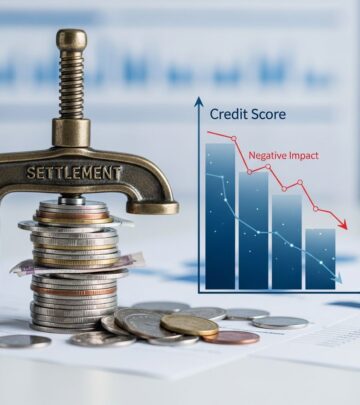
Delinquent accounts reported to credit bureaus tank your score dramatically. FICO scores drop by 100+ points on average during settlement, with “settled for less than full amount” notations lingering 7 years.
| Aspect | Debt Settlement Effect | Duration |
|---|---|---|
| Credit Score Drop | 100-150 points | Immediate, recovery 1-3 years |
| Negative Marks | “Settled” status | 7 years from delinquency |
| New Credit Access | Severely restricted | Until score rebuilds |
This hampers renting apartments, securing loans, or even job applications requiring credit checks.
Legal Actions and Collection Harassment
Creditors can pursue lawsuits during the non-payment phase, as settlement companies lack legal protection. Judgments lead to wage garnishment or bank levies. Contrary to some claims, firms rarely provide lawsuit defense.
- Debt collectors intensify calls and letters.
- Lawsuits possible after 90-180 days of delinquency.
- Settled debts still appear on reports unless negotiated otherwise.
Tax Consequences of Forgiven Debt
Forgiven portions count as taxable income. For example, settling $10,000 debt for $6,000 triggers $4,000 in IRS-reportable income if over $600. This adds unexpected tax bills, potentially requiring payment plans with the IRS.
Exceptions apply for insolvency, but documentation is complex. Consult a tax professional before proceeding.
High Fees and Uncertain Success Rates
Settlement firms charge 15-25% of enrolled debt, collected post-settlement. Not all debts settle; success varies by creditor policies and your financial profile. Unsettled debts remain, accruing further penalties.
Programs demand minimum debt thresholds ($7,500+ typically) and proof of hardship. Dropout rates are high due to inability to sustain escrow deposits.
Comparing Debt Settlement to Alternatives
| Option | Pros | Cons | Credit Impact |
|---|---|---|---|
| Debt Settlement | Potential principal reduction | Credit damage, fees, taxes | Severe negative |
| Debt Consolidation | Lower interest, one payment | No debt forgiveness | Neutral if payments on time |
| Debt Management Plan | Reduced rates, counseling | Full repayment required | Mild temporary dip |
| Bankruptcy | Debt discharge | Long-term credit hit | Major negative, 7-10 years |
Consolidation or management plans preserve credit better while addressing debt systematically.
DIY Negotiation: A Safer Approach?
Negotiating directly avoids firm fees. Gather lump-sum funds via savings or asset sales, then offer 30-50% of balances. Get written agreements specifying “paid in full” reporting.
- Assess total owed and affordability.
- Contact creditors explaining hardship.
- Propose specific settlement amounts.
- Secure written confirmation before paying.
- Verify credit report updates post-payment.
Success depends on creditor willingness; some refuse settlements outright.
Regulatory Warnings and Red Flags
The FTC mandates disclosures on fees and timelines. Beware companies promising guaranteed results or upfront fees—these violate laws. Research via BBB or state AG offices.
Common scams include fabricated testimonials or pressure tactics. Legitimate firms assess eligibility transparently.
Steps to Protect Yourself Before Enrolling
Evaluate your situation holistically. Calculate total costs including fees, taxes, and lost credit opportunities. Explore nonprofit credit counseling first.
- Review free credit reports for accuracy.
- Build an emergency fund parallel to debt efforts.
- Seek advice from certified financial planners.
Long-Term Financial Recovery Strategies
Post-settlement, rebuild via secured cards, on-time payments, and low-utilization habits. Budgeting tools and income boosts accelerate recovery. Avoid new debt to prevent cycles.
Financial education prevents recurrence; track expenses and set savings goals.
Frequently Asked Questions
Is debt settlement better than bankruptcy?
Not necessarily; both harm credit, but bankruptcy offers legal protections and discharges more debts comprehensively. Consult professionals for your case.
How long does debt settlement take?
Typically 24-48 months, depending on debt size and negotiation success.
Will settled debts disappear from my credit report?
No, they remain as “settled” for 7 years, though impact fades over time.
Can all debts be settled?
Primarily unsecured; federal student loans and secured debts like auto loans usually cannot.
Are debt settlement companies regulated?
Yes, under FTC rules prohibiting advance fees and requiring disclosures.
Final Thoughts on Choosing Wisely
Debt settlement suits extreme hardship cases but risks outweigh benefits for many. Prioritize sustainable options preserving credit and stability. Professional guidance ensures informed decisions.
References
- Debt Settlement: What it is, How it Works & If it’s Worth It — InCharge Debt Solutions. 2023. https://www.incharge.org/debt-relief/debt-settlement/
- How to Navigate Debt Settlement Agreements Successfully — CP-Law. 2024-03-15. https://cp-law.com/blog/how-to-navigate-debt-settlement-agreements-successfully/
- What Is Debt Settlement? — Experian. 2025. https://www.experian.com/blogs/ask-experian/what-is-debt-settlement/
- What is Debt Settlement? — Marine Credit Union. 2024. https://www.marinecu.com/learning-hub/what-is-debt-settlement/
- Debt Settlement: Misconceptions and What You Need to Know — Maryland Volunteer Lawyers Service. 2022-08. https://mvlslaw.org/wp-content/uploads/2022/08/Debt-Settlement-_-Misconceptions-and-What-You-Need-to-Know.pdf
- What Is Debt Settlement and How Does It Work? — NerdWallet. 2025-01-10. https://www.nerdwallet.com/personal-loans/learn/how-does-debt-settlement-work
- What Is Debt Settlement And How Does It Work? — Bankrate. 2025. https://www.bankrate.com/personal-finance/debt/what-is-debt-settlement/
Similar Articles








Read full bio of medha deb