How Much Does Debt Settlement Really Save?
Discover realistic debt settlement savings after accounting for all fees and costs.

Debt settlement has become an increasingly popular option for individuals struggling with unsecured debt. However, many people enter these programs with unrealistic expectations about potential savings. The reality is more nuanced than the marketing materials suggest. Understanding the true financial impact requires examining not just the settlement amounts, but also the fees, timelines, and success rates involved.
According to comprehensive analysis of debt settlement outcomes, the average all-in savings is about 18% after fees are counted. This figure represents a significant difference from what many people expect when they first consider debt settlement as an option.
Understanding Debt Settlement Basics
Debt settlement works by negotiating with creditors to accept a payment that is less than the full amount owed. The typical settlement offer ranges from 30% to 80% of your outstanding balance, depending on various factors including the creditor’s willingness to negotiate, your account history, and your current financial situation.
When you enroll with a debt settlement company, you begin by making regular monthly deposits into a dedicated savings account that you control. These funds accumulate over time and are eventually used to pay reduced balances to creditors when settlement offers are accepted. Most debt relief programs require clients to have at least $7,500 of debt to qualify.
The entire process typically takes 2 to 4 years to complete. During this time, you’ll work with the debt settlement company on a debt-by-debt basis, settling each account individually as funds become available and negotiations succeed.
The Fee Structure Explained
Company Fees
One of the most critical aspects of debt settlement to understand is how companies charge for their services. Most debt settlement companies charge between 15% to 25% of the amount of debt you enroll in the program. This means that for every $1,000 in enrolled debt, you can expect to pay $150 to $250 to the debt relief company in fees.
It’s important to note that it is illegal for companies to charge these fees before they’ve successfully settled a debt. The fees are only collected from your program account once a settlement has been approved and the agreed amount has been paid to the creditor.
Account Maintenance Fees
Beyond the settlement fees, there are additional costs associated with maintaining your program savings account. These accounts typically carry a fee of $5 to $10 per month, which adds up over the course of the program. For someone in a program for 36 months, this could amount to $360 in extra charges.
Creditor-Imposed Fees and Interest
While you’re building up savings and waiting for settlement negotiations to begin, your creditors continue to charge late fees and penalty interest on your accounts. These charges accumulate and represent a hidden cost that many people don’t account for when considering debt settlement.
Real Savings: Breaking Down the Numbers
Average Settlement Amounts
In general, the average settlement offer is for about half of what you originally owed. However, this headline figure doesn’t tell the complete story. After accounting for the debt settlement company’s fees, the average savings drops to approximately 32% on successfully settled accounts.
According to comprehensive data analysis, the average debt settlement company charged fees of $3,225 on average, and it took 36 months to settle a particular batch of debt. At the end of the process, the average debt settlement client saved $5,082, or 30% off of the debt they were able to settle.
The 18% Reality
However, this positive figure only applies to debts that were actually settled. The critical factor that changes everything is the success rate. One out of every four debt settlement customers aren’t able to settle any debts at all. This means that approximately 25% of people who enter debt settlement programs don’t achieve any of the promised savings.
When accounting for all enrolled debt—not just the debt that was successfully settled—the actual average savings drops to only 18%. This represents the true all-in savings after factoring in company fees, account maintenance costs, and the reality that not all debts will be successfully negotiated.
Timeline for Settlements
First Settlement Offer Timeline
In general, most debt settlement customers will receive their first settlement offer within four or five months. However, this timeline can vary based on the debt settlement company you choose. The best debt settlement companies may be able to deliver quicker results, though you should ask any company about their average timeline before signing up.
Complete Program Duration
After you receive your first settlement offer, the company will work through each of your enrolled debts one by one until they’re either all settled or your creditors have refused to negotiate. It takes about four years for most people to reach this completion point.
Generally, when you’ve saved up about 20% of the balance for your first debt, the company will reach out to negotiate a settlement offer with that specific lender. This creates a cascading effect where you may see settlements concluded at various intervals throughout your program tenure.
The Settlement Process Step-by-Step
Building Your Program Account
Once you sign up with a debt relief company, you’ll make monthly deposits into your program savings account. These deposits are often less than your total monthly debt payments, making the program somewhat more manageable than your current debt obligations.
Throughout this phase, the debt settlement company may recommend that you stop paying your creditors directly—though this is not required. While stopping payments helps build leverage for negotiations, it comes with the risk of delinquent payment reports on your credit and potential penalties from creditors.
Negotiation and Approval
When sufficient funds have accumulated, the debt relief company will contact your creditor with a settlement proposal. If the creditor agrees, the company will present you with the settlement terms, including the settlement amount and their fee for services.
You retain control and must approve any settlement offer before funds are withdrawn. This gives you the opportunity to evaluate whether the terms are acceptable to your situation.
Payment and Fee Collection
Once you approve a settlement, the debt relief company will withdraw the settlement amount from your program account along with their own fee. Many settlements take the form of a single lump-sum payment, though some creditors may negotiate a term payment plan instead.
Debts That Cannot Be Settled
It’s essential to understand that not all debts can be settled through these programs. You cannot settle secured loans (like mortgages or auto loans), federal student loans, or tax debt. Debt settlement is primarily designed for unsecured debts such as credit cards and personal loans.
Additionally, not all creditors are willing to negotiate. Each creditor has their own policies regarding settlement offers, and some may be more flexible than others. This is why success rates vary so significantly among debt settlement customers.
Is Debt Settlement Right for You?
When It Makes Sense
Debt settlement can be a viable option if creditors agree to negotiate and you can net meaningful savings. The basic concept relies on the premise that your creditors may be willing to accept a smaller amount in exchange for closing the account, particularly if you’ve fallen behind on payments.
The process typically requires that you demonstrate financial hardship and have some explanation for why you can’t pay your debts in full. If your situation aligns with these criteria and you have the discipline to maintain your savings account deposits, debt settlement might be worth considering.
When It May Not Work
If creditors refuse to negotiate—which happens to approximately one in four customers—you’ll likely owe more due to accumulated fees and interest. In these situations, you’ll have spent years in the program, paid monthly account fees, and still owe your original debts plus additional charges from the creditors.
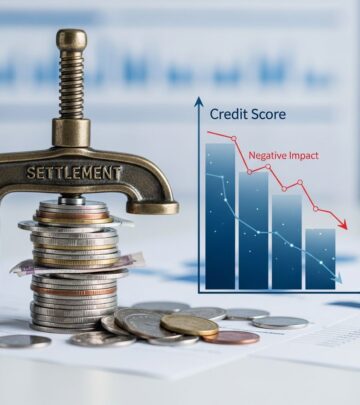
Additionally, your credit report will reflect the delinquent accounts and may take years to recover even after settlements are complete.
Key Considerations Before Enrolling
Before committing to a debt settlement program, consider these important factors:
Realistic savings expectations: Understand that average savings is around 18% after all fees, not the sometimes-promised 50% or more.
Timeline commitment: Be prepared for a 2-4 year process during which your credit will be negatively impacted.
Success rate awareness: Recognize that 25% of participants don’t successfully settle any debts.
Account control: Remember that you retain control of your savings account and can withdraw your money if you leave the program, though you’ll lose any fees paid for approved settlements.
Debt type eligibility: Ensure your debts are eligible for settlement—unsecured debts like credit cards and personal loans are your best candidates.
Alternative Approaches to Debt Management
While debt settlement is one option, there are alternatives worth considering. Debt management plans, offered by nonprofit credit counseling agencies, involve working with a certified credit counselor who negotiates lower interest rates or waived fees with your creditors. Though these don’t result in settled or forgiven debt, they may offer a more straightforward path to managing your obligations.
Other options include refinancing, consolidation loans, or in certain situations, bankruptcy protection. Each option has its own advantages, disadvantages, and implications for your financial future.
Frequently Asked Questions
Q: What is the average amount saved through debt settlement?
A: The average all-in savings is about 18% after all fees are counted, though this varies based on individual circumstances and creditor willingness to negotiate.
Q: How long does the debt settlement process take?
A: Most people take about 2 to 4 years to complete the debt settlement process, with the first settlement offer typically arriving within 4 to 5 months.
Q: What percentage do debt settlement companies charge in fees?
A: Most debt settlement companies charge between 15% to 25% of the amount of debt you enroll in the program.
Q: Is it legal for debt settlement companies to charge upfront fees?
A: No, it is illegal for companies to charge any fees before they have successfully settled a debt.
Q: What types of debt can be settled?
A: Debt settlement works best for unsecured debts like credit cards and personal loans. You cannot settle secured loans, federal student loans, or tax debt.
Q: What happens if creditors refuse to negotiate?
A: Approximately one in four debt settlement customers aren’t able to settle any debts at all, meaning they’ll likely owe more due to accumulated fees and interest from creditors.
Q: Do I have to stop paying my creditors to participate in debt settlement?
A: Stopping payments is not required but is recommended by debt settlement companies as it helps build leverage for negotiations.
Q: Can I withdraw my money if I leave a debt settlement program?
A: Yes, you retain control of your savings account and can withdraw your money if you leave the program, though you will lose any fees paid for approved settlements.
Conclusion
Debt settlement programs can provide meaningful relief for some individuals, but the reality is that average savings of 18% after all fees are factored in represents a more modest outcome than many people expect. The multi-year timeline, credit impact, and significant failure rate for some customers mean that this option requires careful consideration.
If you’re considering debt settlement, thoroughly evaluate your specific situation, understand all associated costs, and explore alternative approaches to debt management. The most important step is making an informed decision based on realistic expectations rather than marketing promises.
References
- Here’s What Happens When You Work With a Debt Relief Company — Money. 2025. https://money.com/how-debt-relief-companies-work/
- Debt Relief vs. Debt Settlement: What’s the Difference? — Money. 2025. https://money.com/difference-between-debt-relief-and-debt-settlement/
- How to Get Debt Relief — Money. 2025. https://money.com/how-to-get-debt-relief/
- What Is Debt Relief and How Does It Work? — Money. 2025. https://money.com/what-is-debt-relief/
- 6 Steps to Make Debt Relief Programs Work for You — Money. 2025. https://money.com/how-to-succeed-with-debt-relief-programs/
- How Much Does Debt Settlement Really Save? — Money. 2025. https://money.com/debt-settlement-programs-fees-savings-rate/
- Is Debt Settlement a Good Idea? — Money. 2025. https://money.com/is-debt-settlement-a-good-idea/
Similar Articles








Read full bio of Sneha Tete