6 Ways Debt Settlement Can Leave You Deeper in Debt
Even trustworthy debt settlement companies can worsen your financial situation through hidden costs and credit damage.

6 Ways Debt Settlement Can Leave You Deeper in Debt Even with Trustworthy Companies
Debt settlement is often marketed as a quick fix for overwhelming debt, promising to reduce what you owe by substantial percentages. However, even when working with legitimate, trustworthy debt settlement companies, borrowers frequently find themselves in a worse financial position than before they started. Understanding these hidden pitfalls is essential before considering debt settlement as a solution to your financial problems.
The allure of debt settlement is understandable: the promise of paying only 50% to 80% of what you owe sounds appealing to anyone struggling with debt. However, this attractive headline masks several serious financial consequences that can compound your problems rather than solve them. Even ethical, trustworthy companies cannot eliminate these fundamental risks built into the debt settlement process itself.
1. Severe Credit Score Damage That Lasts for Years
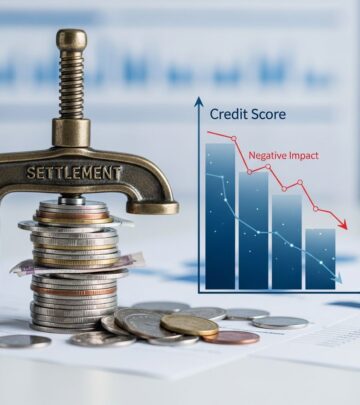
One of the most damaging aspects of debt settlement is its devastating impact on your credit score. Debt settlement companies typically instruct clients to stop making payments on their debts while negotiations proceed. This isn’t optional advice—it’s central to their business model, as creditors are often more willing to negotiate when accounts are delinquent.
The consequences for your credit are immediate and severe. Late payments remain on your credit report for up to seven years, and during that entire period, they negatively affect your credit score and your ability to obtain credit at reasonable rates. Even worse, the debt settlement process typically takes 2 to 3 years or longer to complete, meaning your credit is damaged throughout this extended negotiation period.
When you finally settle a debt for less than the full amount, your credit report specifically notes that you ”settled” the account—indicating to future lenders that you didn’t pay your full obligation. This settled status is considered a negative entry because it demonstrates that the lender took a financial loss on your account. The combination of years of missed payments combined with settled accounts can devastate your creditworthiness and make obtaining future credit extremely difficult and expensive.
2. Accumulating Late Fees and Interest Make Your Debt Grow
While you’re working toward accumulating funds for a settlement offer, your creditors don’t pause their collection efforts. In fact, they continue charging late fees and accruing interest on your outstanding balance. This means that even as you’re depositing money into a settlement account, your actual debt is growing rather than shrinking.
Consider a practical example: You owe $20,000 on a credit card and agree to a debt settlement arrangement. While you’re spending the next two to three years saving money for a settlement offer, your creditor continues applying late fees and interest. If your card has a 20% annual interest rate plus monthly late fees, your $20,000 debt could grow to $25,000 or more by the time you’re ready to make your settlement offer. This means you may end up paying nearly as much through the settlement process as you would have by simply continuing to make payments.
The longer the negotiation process takes—and some settle quickly while others drag on for years—the more your debt balloons. You’re caught in a frustrating situation where your savings efforts are negated by accumulating interest and fees, making the finish line constantly move further away.
3. Hidden Fees from Debt Settlement Companies Themselves
Beyond the interest and late fees charged by creditors, debt settlement companies charge their own substantial fees for their services. These fees typically range from 15% to 25% of the amount settled, which means they’re only paid after a settlement is reached. While this might seem reasonable compared to what you’re saving, the impact on your finances is significant.
If you negotiate a $12,000 settlement on a $20,000 debt, you save $8,000. However, the debt settlement company will collect a fee of $1,800 to $3,000 (15-25% of the $12,000 settled amount). This reduces your actual savings to $5,000 to $6,200, significantly less impressive than the initial headline of ”settling for 60% of your debt.”
Additionally, debt settlement companies may charge additional administrative fees for maintaining and managing the escrow account where you deposit settlement funds. These fees further erode the financial benefit you’re supposed to receive from debt settlement.
4. Creditors May Refuse to Settle at All
A critical risk that many people overlook is that creditors are under no obligation to accept a settlement offer. When you stop making payments and start saving for a settlement, you’re betting that your creditor will eventually agree to negotiate. However, some creditors simply refuse to work with debt settlement companies or may decline settlement offers altogether.
If your creditor refuses to settle, you’ve spent years accumulating late fees and interest while saving money for an outcome that never materializes. You’re then left with a choice: continue trying to negotiate, resume payments (with a severely damaged credit profile), or face potential legal action.
Different creditors have different policies regarding settlement negotiations. Some are more willing to settle than others, but none are required to do so. This lack of guarantee is a fundamental flaw in the debt settlement strategy—you could invest years of effort with no successful outcome.
5. Significant Tax Implications on Forgiven Debt
When a creditor forgives part of your debt through settlement, the IRS considers that forgiven amount to be taxable income. For example, if you settle a $20,000 debt for $12,000, the $8,000 difference may be considered taxable income by the IRS. You could receive a 1099-C form from your creditor, and this forgiven amount would be added to your income for that tax year.
This means that while you’re attempting to reduce your debt burden, you could simultaneously increase your tax liability. If you’re not prepared for this additional tax obligation, you may face a substantial tax bill in April. This is particularly problematic if you settle multiple debts in the same year, as the cumulative forgiven amounts could push you into a higher tax bracket and result in a significant tax liability.
While certain exclusions may apply in specific situations (such as if you’re insolvent), most people settling debt will owe taxes on the forgiven amount. It’s essential to consult with a tax professional before pursuing debt settlement to understand your potential tax liability and plan accordingly.
6. Potential Legal Action and Collection Lawsuits
Even though you’re negotiating with a creditor, you’re not legally protected from lawsuit during the settlement process. Creditors and third-party debt collectors can continue to contact you and may even pursue legal action to collect the debt while negotiations are ongoing. In some cases, creditors may obtain a judgment against you, which could result in wage garnishment or bank account levies.
If a judgment is obtained against you, it compounds your financial problems significantly. Wage garnishment can take up to 25% of your disposable income, and bank levies can freeze your accounts. These legal consequences can make it even harder to save money for your settlement offer, creating a situation where legal action actually undermines the debt settlement process itself.
The debt settlement company cannot prevent creditors from suing you, and many creditors pursue legal remedies against delinquent accounts as part of their standard collection procedures. This legal risk adds another layer of uncertainty and potential expense to an already risky process.
Why Even Trustworthy Companies Can’t Prevent These Problems
The risks outlined above aren’t primarily caused by untrustworthy or fraudulent debt settlement companies. Even the most ethical, well-intentioned companies cannot prevent these consequences because they’re inherent to the debt settlement process itself. The credit damage, accumulating interest, fees, tax implications, and legal risks exist regardless of whether you work with a reputable company or a questionable one.
Trustworthy debt settlement companies can’t make creditors agree to settle. They can’t stop the IRS from taxing forgiven debt. They can’t prevent creditors from charging interest and late fees during negotiations. They can’t eliminate their own fees. What trustworthy companies can do is be transparent about these risks upfront and avoid making false promises about guaranteed savings or specific debt reduction percentages.
However, the fundamental business model of debt settlement remains risky, regardless of the company’s reputation or trustworthiness.
When Debt Settlement Might Not Be Your Best Option
Debt settlement should not be considered if you can continue making regular payments on your debts. If you’re able to pay your obligations on time, the credit damage from debt settlement could actually harm you more than help you. The debt reduction you achieve through settlement may not be worth the years of credit damage that result.
Debt settlement is also not appropriate for secured debts like mortgages or auto loans, which are tied to collateral. Lenders have less incentive to negotiate when they can simply repossess the property securing the loan. Similarly, certain types of debt—including federal student loans, tax obligations, and court-ordered payments like child support—are generally not eligible for settlement and cannot be discharged through these programs.
If most of your debt is in these non-settleable categories, pursuing debt settlement is unlikely to be effective and could damage your credit without providing meaningful relief.
Better Alternatives to Consider
Before pursuing debt settlement, consider these alternative approaches to debt relief:
- Credit counseling: Non-profit credit counseling agencies can help you develop a budget and explore options without damaging your credit.
- Debt management plans: These programs work with creditors to potentially lower interest rates while you make regular payments, avoiding the credit damage of settlement.
- Bankruptcy: While serious, bankruptcy provides legal protection from creditors and a structured path to debt relief, often with better long-term outcomes than debt settlement.
- Direct negotiation: Contacting creditors directly to discuss your situation may result in modified payment plans or hardship programs without involving a third-party company.
Frequently Asked Questions
Q: Can debt settlement companies guarantee they’ll settle my debts?
A: No. Creditors are under no obligation to accept settlement offers, and debt settlement companies cannot guarantee results. Be cautious of any company promising specific debt reduction amounts or guaranteed outcomes, as these are often indicators of fraudulent operations.
Q: How long does debt settlement typically take?
A: Debt settlement can take 2 to 3 years or longer to complete. During this entire period, your credit score is being damaged by delinquent accounts and missed payments.
Q: Will I have to pay taxes on forgiven debt?
A: In most cases, yes. Forgiven debt is typically considered taxable income by the IRS, and you may receive a 1099-C form. However, certain exclusions may apply if you’re insolvent. Consult with a tax professional about your specific situation.
Q: Is it better to work with a debt settlement company or negotiate directly with creditors?
A: Direct negotiation with creditors may be more effective and less costly than working with a debt settlement company. Creditors may be willing to work with you directly without requiring you to stop making payments or paying settlement company fees.
Q: What should I do if a debt settlement company asks for upfront payment?
A: Decline their services immediately. Federal law prohibits debt settlement companies from collecting fees before settling your debts. This is a major red flag indicating a fraudulent operation.
Q: Can creditors sue me while I’m in a debt settlement program?
A: Yes. Creditors are not restricted from pursuing legal action during debt settlement negotiations. You could face lawsuits, judgments, and even wage garnishment while trying to settle your debts.
References
- 6 Risks of Debt Settlement — Experian. 2024. https://www.experian.com/blogs/ask-experian/debt-settlement-risks/
- Understanding the Risks of Debt Settlement — National Debt Relief. 2024. https://www.nationaldebtrelief.com/blog/debt-guide/debt-relief/understanding-the-risks-of-debt-settlement/
- Is Debt Settlement A Good Idea For Your Finances? — Bankrate. 2024. https://www.bankrate.com/personal-finance/debt/is-debt-settlement-good-idea/
- The Dangers of Trusting a Debt Settlement Company — OneMain Financial. 2024. https://www.onemainfinancial.com/resources/money-management/the-dangers-of-trusting-a-debt-settlement-company
- Debt Settlement Pros and Cons — InCharge Debt Solutions. 2024. https://www.incharge.org/debt-relief/debt-settlement/debt-settlement-pros-cons/
- What Is Debt Settlement? Complete Guide & Pros and Cons — Upsolve. 2024. https://upsolve.org/learn/debt-settlement/
- The Short and Long-term Effects of Debt Settlement — National Foundation for Credit Counseling. 2024. https://www.nfcc.org/blog/the-short-and-long-term-effects-of-debt-settlement/
Similar Articles








Read full bio of Sneha Tete